

If you have been feeling run down, wired at night, or slow to recover, your hormonal health may be worth paying attention to. Cortisol is produced by your adrenal glands and plays a central role in how your body responds to stress, regulates blood sugar, and manages inflammation. When it stays elevated over time, it may affect sleep, energy, appetite, and overall well-being.
This guide covers 15 practical, lifestyle-based strategies that may support a healthier balance over time. None of these replaces medical care, but practiced consistently, they offer a meaningful place to start.
How Elevated Cortisol Can Affect Your Body
Your body releases cortisol in response to stress, low blood sugar, and physical demands. In short bursts, this is a normal and useful biological response. The concern arises when it remains elevated day after day without adequate recovery.
Higher cortisol levels are associated with disrupted sleep, changes in weight, and broader stress-related effects on the body. It also affects how your body manages blood sugar, inflammation, and energy across different conditions. Supporting your body’s natural rhythm through consistent daily habits is one of the more practical ways to support long-term wellness.
15 Ways to Lower Cortisol Levels Naturally

1. Prioritize Rest and Sleep Every Night
Your cortisol pattern is directly tied to your sleep-wake cycle. It peaks in the early morning and gradually declines toward bedtime. Disrupted or insufficient sleep keeps it elevated longer than it should be.
Prioritizing rest and sleep by maintaining consistent bed and wake times may help stabilize this pattern. Most adults benefit from seven to nine hours of quality sleep each night. Even small improvements in sleep consistency can support more balanced hormonal health over time.
2. Get Morning Light Exposure
Natural light shortly after waking helps anchor your circadian rhythm. This signals to your body when cortisol should peak and when it should begin to taper. Ten to twenty minutes of morning sunlight may support this daily reset and contribute to more stable activity throughout the day.
3. Move Your Body With Moderate Exercise
Moving your body regularly is one of the more well-studied approaches to hormonal balance. Moderate activities such as walking, cycling, swimming, or yoga are associated with healthier patterns over time. Avoid overtraining, as high-intensity exercise without adequate recovery can temporarily raise rather than lower your levels.
4. Reduce Stress Through Breathwork and Meditation
Slow, intentional breathing activates your parasympathetic nervous system. This is the system responsible for rest, recovery, and nervous system regulation. Even five to ten minutes of daily breathwork or meditation may support a calmer hormonal response throughout the day.
Early research suggests that consistent mindfulness practice is associated with more balanced hormonal activity in people managing ongoing stress. Simple, consistent practice is what matters most.
5. Eat a Balanced Diet to Support Cortisol Naturally
What you eat has a direct influence on how your body manages hormonal balance. A balanced diet that includes whole foods, lean proteins, healthy fats, and complex carbohydrates may support more stable blood sugar throughout the day.
High-sugar foods may contribute to sharper fluctuations in blood glucose and stress-related hormonal activity. Focusing on foods that support steady blood sugar is one of the most practical dietary steps you can take. Some people report that reducing processed foods and increasing whole food intake supports their overall stress response and recovery.
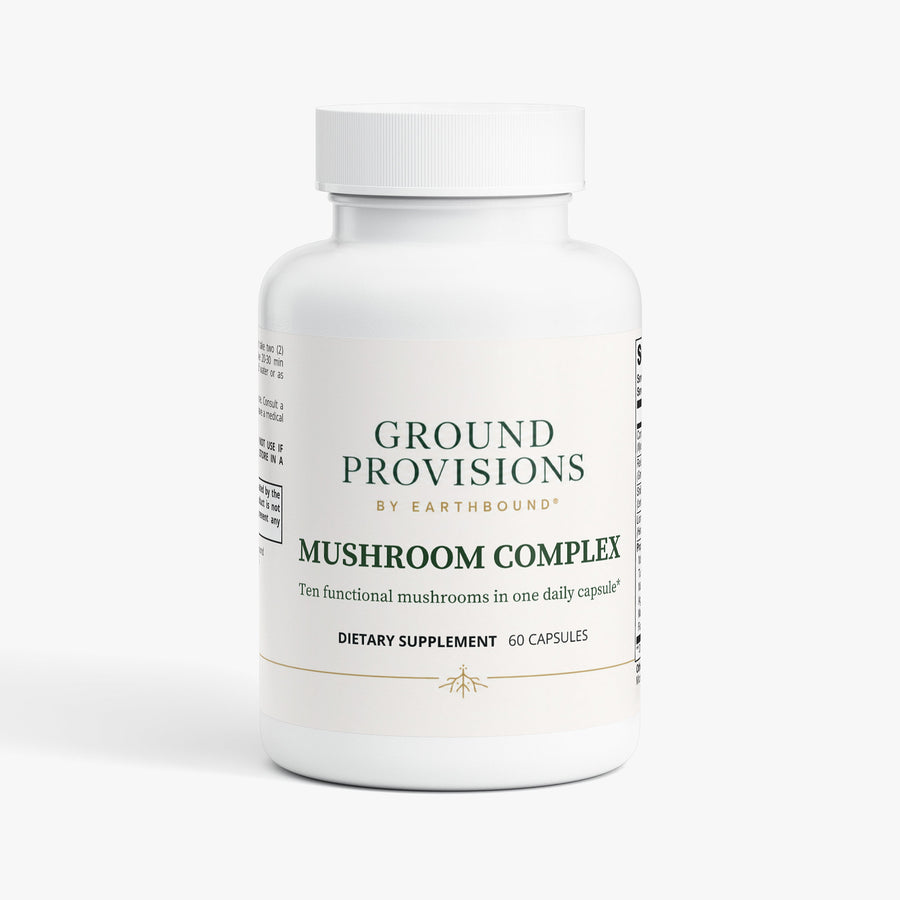
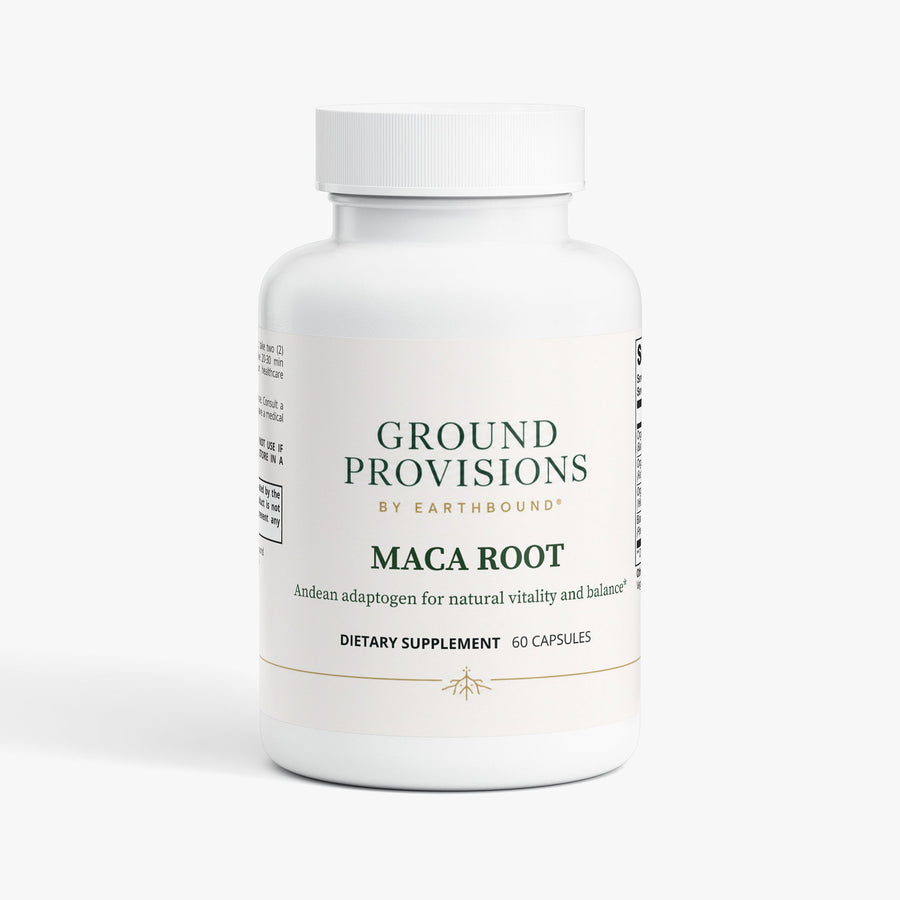
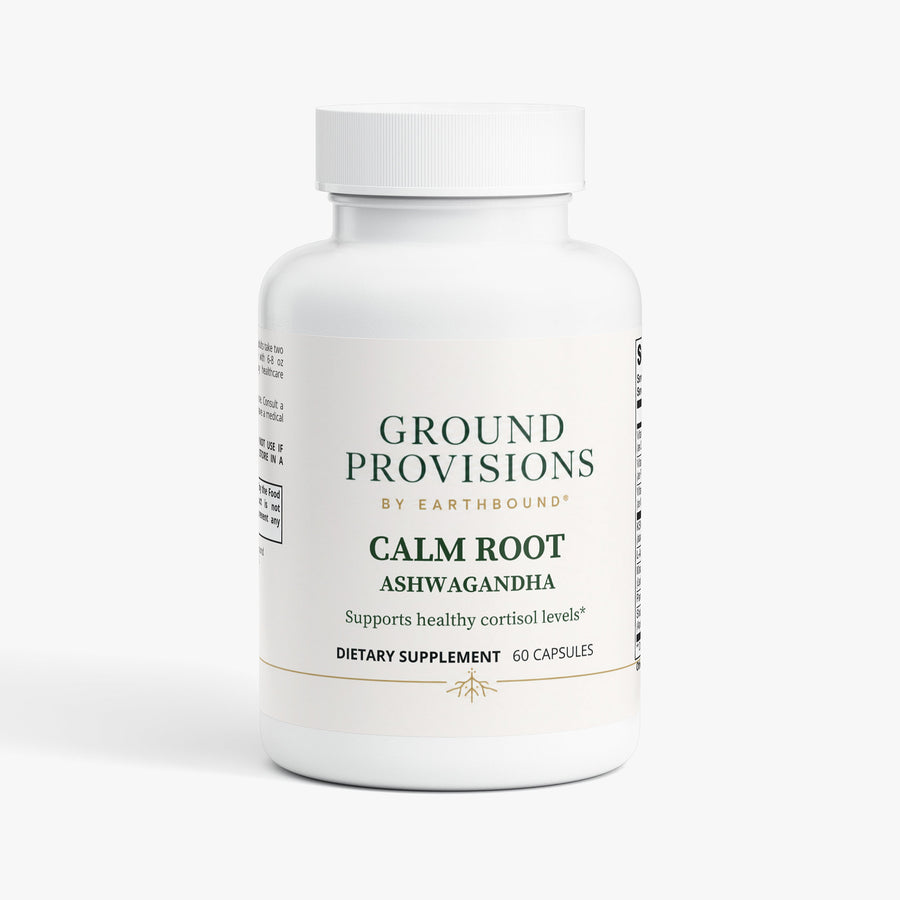
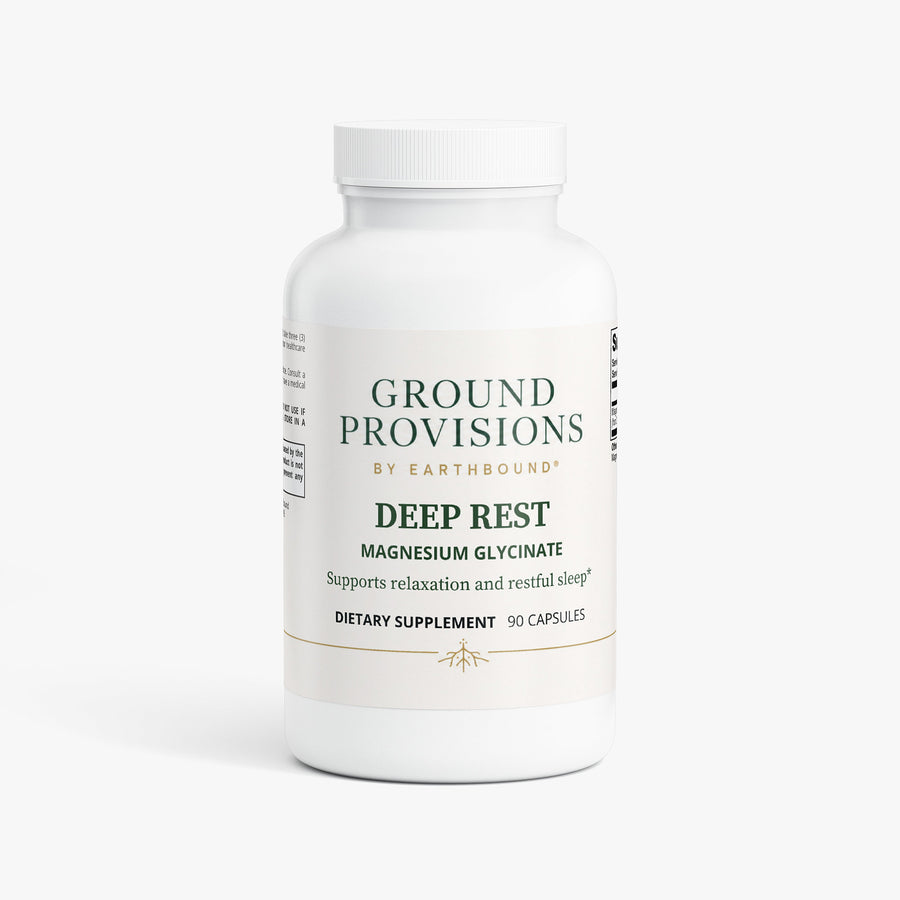
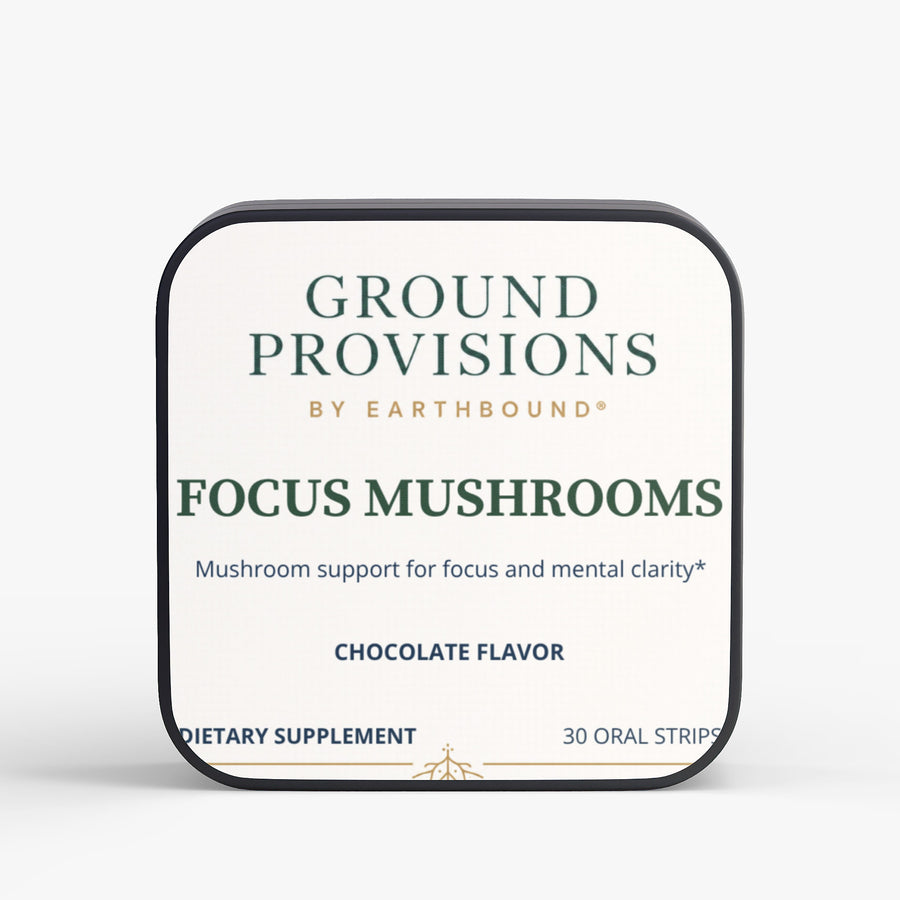
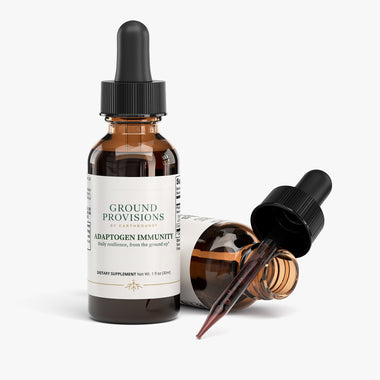
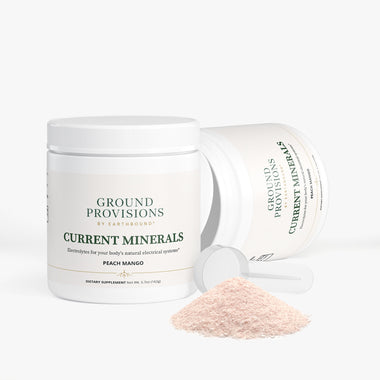
6. Consider Magnesium and Adaptogenic Supplements
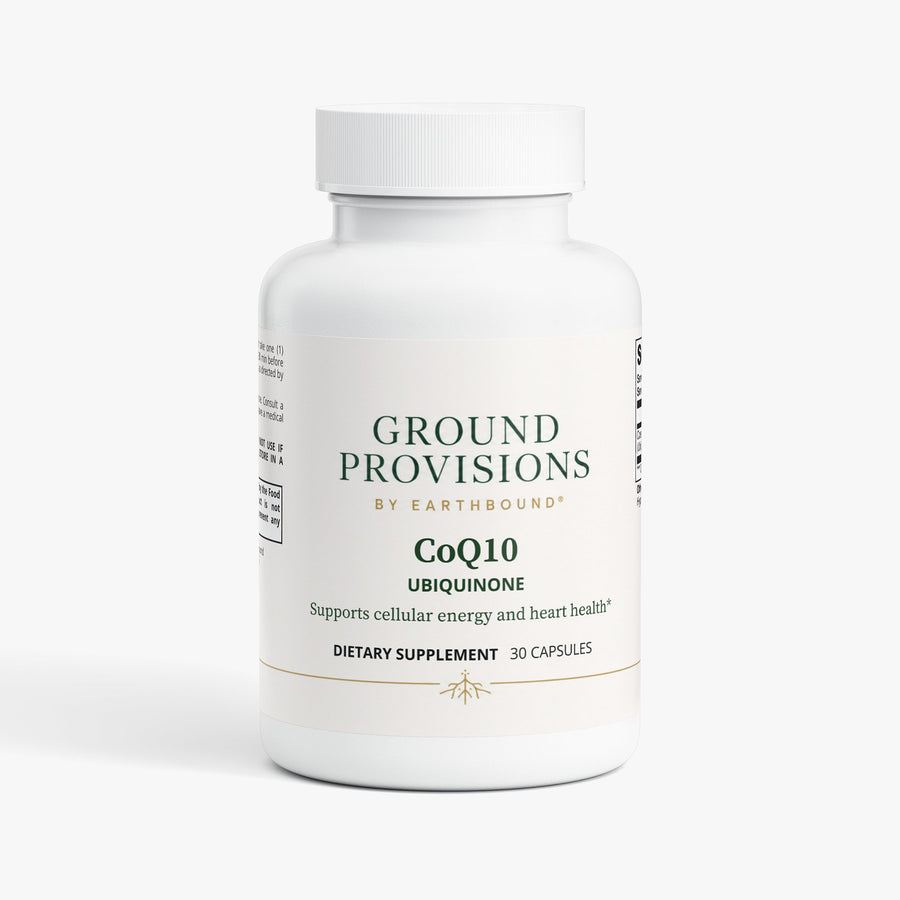
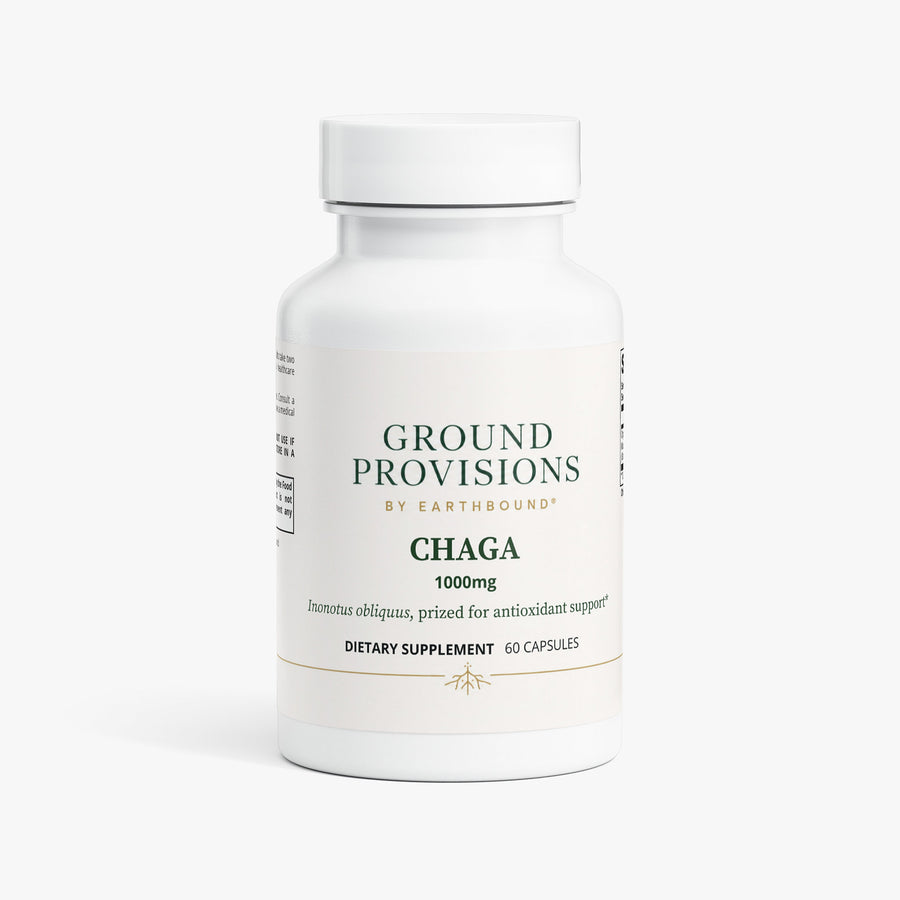
Certain supplements have been studied for their potential role in supporting hormonal health. Magnesium is among the most commonly referenced, with early research suggesting low levels may be associated with heightened stress responses in some patients. If you are considering dietary changes or supplements, discussing them with a qualified healthcare provider is a sensible step.
Always consult a qualified healthcare provider before starting any new supplement, particularly if you are managing existing health conditions or taking medication.
7. Limit Caffeine, Especially in the Afternoon
Caffeine stimulates hormonal release and may interfere with your natural evening decline. Consuming it late in the day disrupts the balance your body works to maintain. Cutting off caffeine by early afternoon is a small adjustment that supports a more stable balance as the day progresses.
8. Reduce Alcohol Consumption
Alcohol may interfere with how your body regulates hormonal balance overnight. Even moderate consumption close to bedtime is associated with reduced sleep quality and disrupted recovery. Reducing alcohol, particularly in the evening, may support both sleep quality and overall wellness.
9. Build Community Health and Social Connection
Research suggests that positive social interactions are associated with lower stress responses. Strong community health and a sense of belonging may act as a natural buffer against sustained hormonal elevation. Spending time with people you trust is a simple and often overlooked factor in long-term balance and care.
10. Set Clear Digital Boundaries
Constant screen exposure and notifications keep your nervous system in a state of low-level alert. This is associated with sustained elevation throughout the day and into the evening. Setting clear digital boundaries, particularly before bed, may reduce unnecessary stimulation and support your body's natural wind-down process.
11. Spend Time in Nature
Time outdoors is associated with reduced hormonal elevation in several observational studies. Even short walks in natural spaces may support nervous system regulation and overall well-being. Nature exposure is one of the most accessible tools available for ongoing stress support and recovery care.
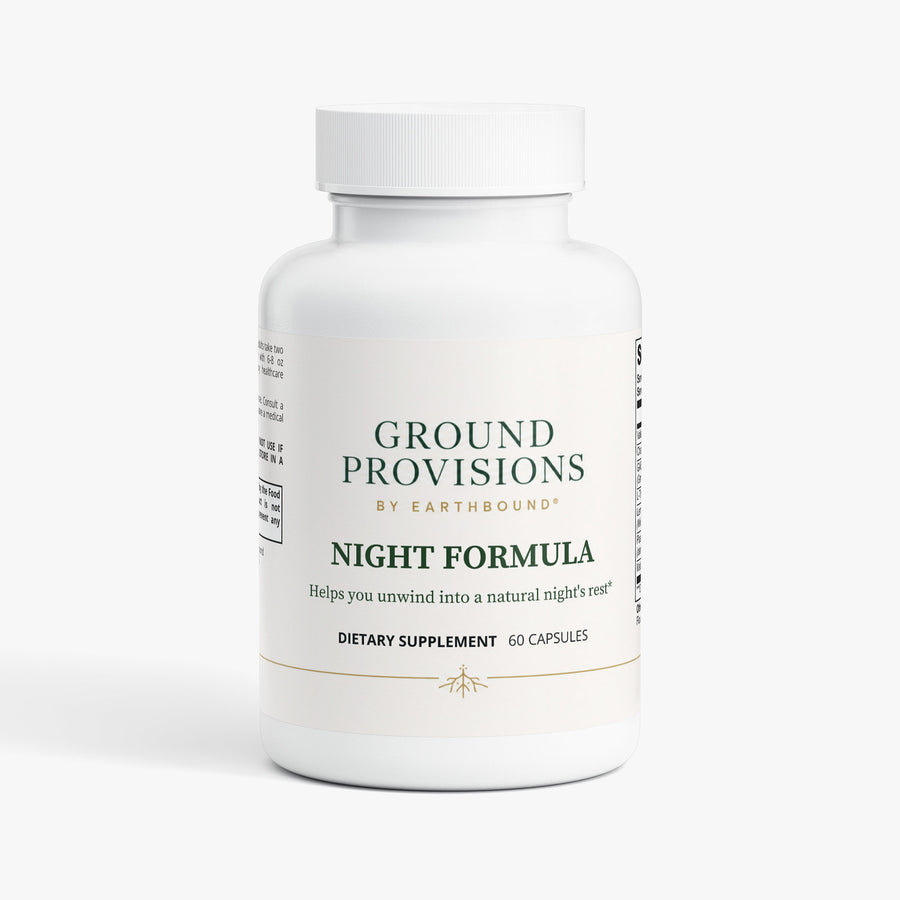
12. Establish a Consistent Evening Routine
A predictable pre-sleep routine signals to your body that it is time to shift out of alert mode. This supports the natural hormonal decline your body needs in the hours before sleep. Your routine might include dimming lights, light stretching, journaling, or calm reading. Consistency over time is what makes this approach more useful.
13. Address Chronic Stress at the Source
Lifestyle habits support balance, but they work best when you also address the root causes of ongoing stress. Work demands, financial concerns, and strained relationships are common contributors over time. Identifying and reducing avoidable sources through practical problem-solving or professional support services is one of the most direct long-term approaches.
Accessing support services such as counseling or wellness coaching is a practical step for managing chronic stress and its effects on your hormonal health. That kind of support can complement lifestyle changes and help you build a steadier routine over time.
14. Optimize Your Sleep Environment
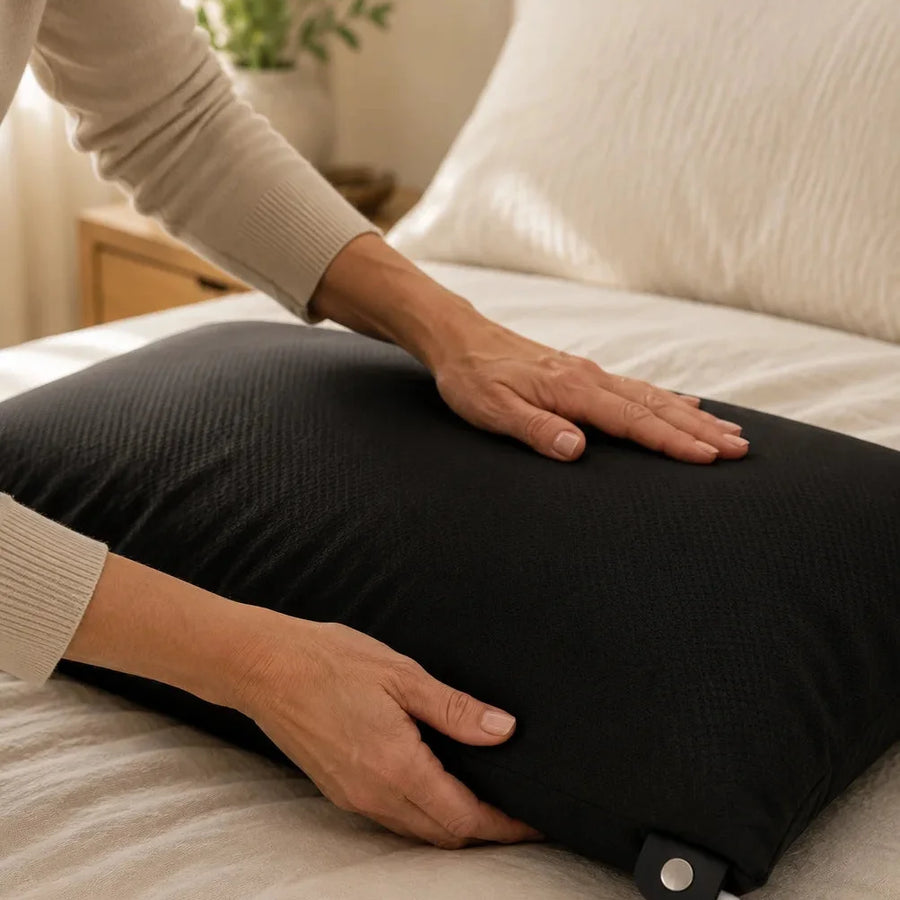
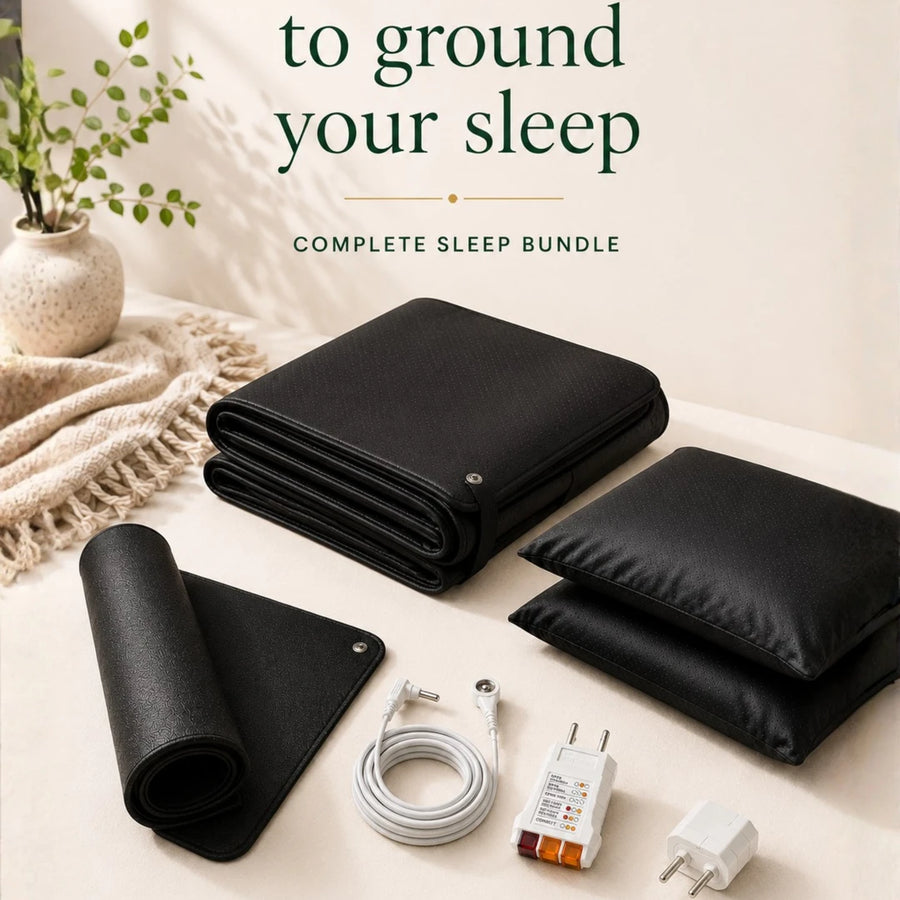
Your sleep environment directly affects how deeply and consistently you sleep. A cool, dark, and quiet room is associated with better sleep quality and more stable overnight hormonal patterns. Simple adjustments like blackout curtains, a supportive mattress, and tools like grounding sleep kits designed for overnight recovery can meaningfully improve your sleep conditions and overall health.
Taking care of your sleep environment is one of the most practical and often overlooked aspects of long-term hormonal care. Small environmental changes can add up meaningfully over weeks and months.
15. Try Grounding or Earthing
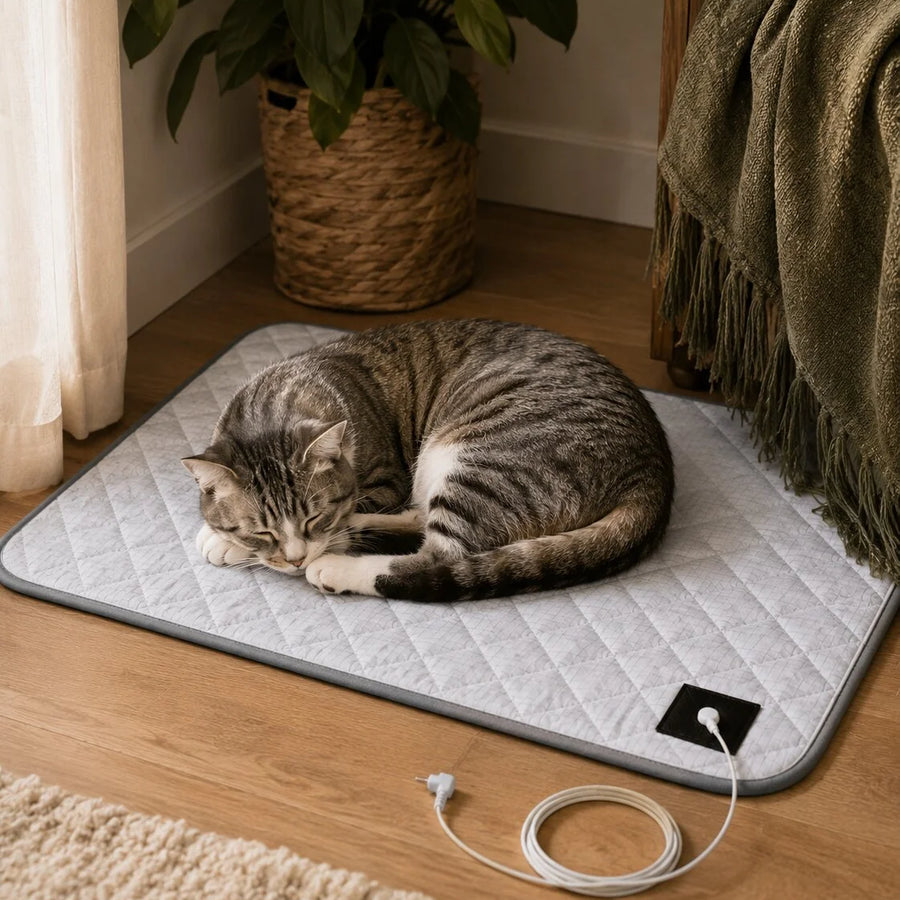
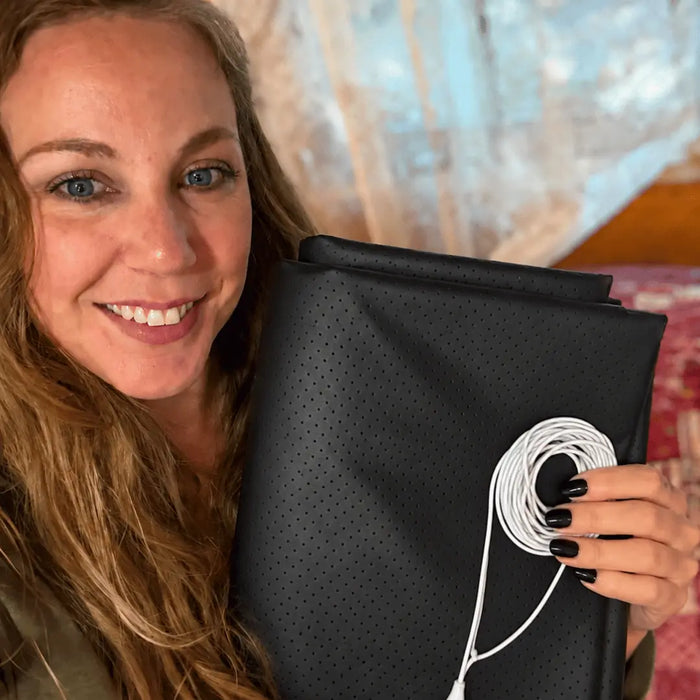
Grounding, also known as earthing, involves direct or conductive contact with the Earth’s natural electrical charge, often using tools like grounding mats for indoor use when outdoor access is limited. Early research suggests grounding may be associated with changes in sleep quality and certain inflammation-related markers.
A 2004 study published in the Journal of Alternative and Complementary Medicine found that participants who slept grounded showed changes in their daily hormonal rhythm. While more research is ongoing, these findings are relevant for anyone exploring natural recovery approaches.
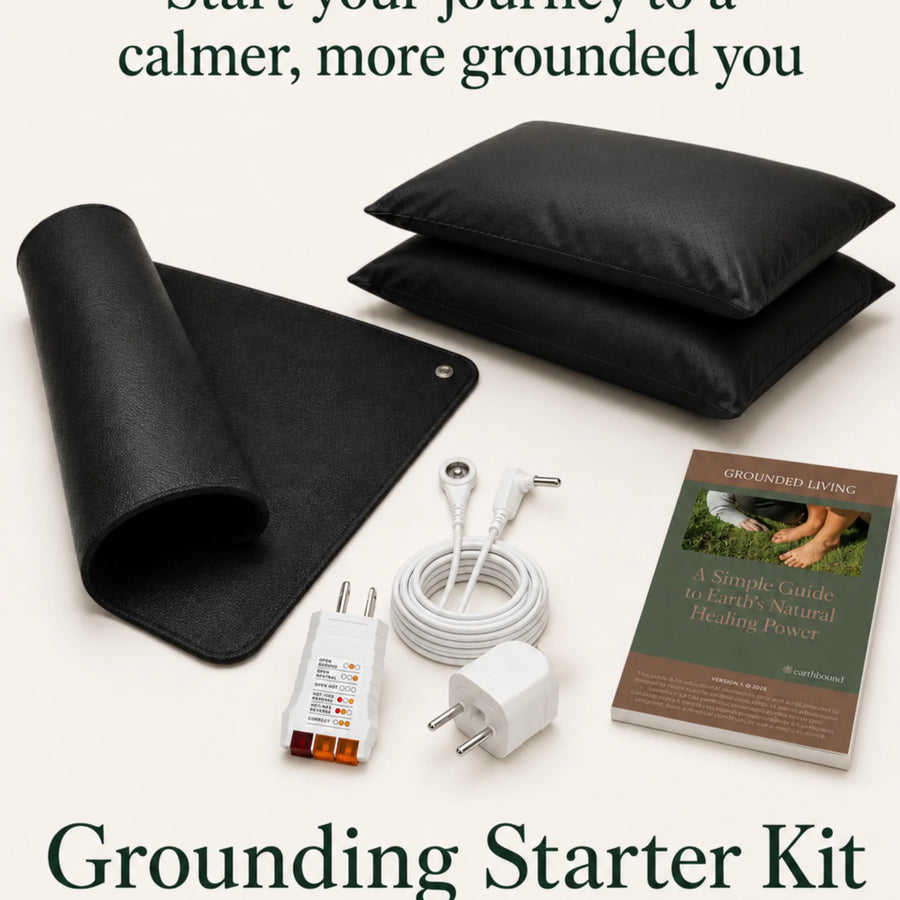
Indoors, grounding mattress covers or sheets allow you to maintain conductive contact with the Earth while you sleep, and many people begin with grounding starter kits that include everything needed for home use. This makes grounding easy to incorporate into your existing sleep and recovery routine without significant lifestyle disruption.
Building a Routine That Supports Your Long-Term Health

No single habit will shift your balance overnight. What works is layering several of these strategies consistently over weeks and months.
Start with the fundamentals: sleep consistency, a balanced diet, morning light, and active stress support. Then consider adding grounding as part of your sleep wellness routine. If you are exploring supplements, discuss options with a qualified healthcare provider to find what is appropriate for your conditions and health history.
Small, consistent habits often add up over time and can support a more sustainable approach to long-term wellness.
Frequently Asked Questions
What causes elevated cortisol?
Poor sleep, blood sugar instability, and high caffeine intake are among the most common lifestyle factors associated with high cortisol.
In some cases, underlying health issues may contribute, so it is worth speaking with a qualified healthcare provider if you are concerned.
Can supplements help?
Some supplements, including magnesium and adaptogenic herbs, have been studied for their potential effects on hormonal regulation.
Early research suggests there may be potential benefits in some cases. Always consult a healthcare provider before starting, especially if managing existing health conditions.
How long does it take to see changes?
Results vary from person to person. Some people report noticing improvements in sleep quality and energy within a few weeks of consistent lifestyle changes.
Others may take longer depending on overall health and the degree of ongoing stress involved.
Is grounding safe to try?
Grounding is generally considered low-risk.
Using a grounding mattress pad or grounding sheet allows you to explore earthing during sleep without significant lifestyle disruption, and many people also use additional grounding accessories for better connectivity.
Early research suggests potential benefits, though more studies are still being conducted.
When should I see a healthcare provider?
If you suspect a medical issue related to your hormonal health, speaking with a qualified healthcare provider is the right step.
A qualified healthcare provider can help assess what may be contributing to your symptoms and guide you on the next steps. This article covers lifestyle-based strategies for general wellness only.