



Dogs can sleep 12–14 hours a day — but that doesn’t mean they’ll sleep when you do.
If your dog is pacing, whining, or waking you up at 2 am, it usually comes down to routine, environment, or unmet needs during the day.
Fortunately, there are a few strategies that can help dogs stay asleep. They’re not an overnight success. Rather, you can expect gradual changes over 1-4 weeks, depending on the age, breed, and underlying factors.
Below, we explore how to help dogs stay asleep, what you should avoid, and why your particular dog might be struggling to stay asleep.
Why Your Dog Is Struggling to Sleep Through the Night
If they’re waking up during the night, it can be one of any number of factors, from age and routine to environment or physical comfort. Modern indoor lifestyles and inconsistent schedules are often the main culprits, interrupting their natural sleep patterns.
Common causes include:
Insufficient Exercise or Mental Stimulation
Dogs are built to move. They’re not sedentary creatures.
If they don’t use up their energy during the day — especially if they’re puppies — they’ll still be ready and eager to play come bedtime. Nighttime zoomies, in particular, can be an issue. That’s why it’s crucial to spend enough time walking, running, and playing to wear them out properly.
Inconsistent Bedtime Routine
Routine ingrains a dog’s bedtime into its behavior. Erratic schedules upset their normal circadian rhythm, pumping them full of adrenaline just as they should be winding down.
Avoid light-night walks, random play bursts, or changing locations. Establish a clear bedtime routine.
Anxiety, Noise, Loneliness, or Environmental Stressors
Like humans, dogs are social and emotional creatures. If you notice whining, pacing, restlessness, or scratching at night, the cause is often mental. Your dog may feel scared (perhaps of loud noises, storms, a new home, or being separated from you) or dislike their sleeping setup. They need a sense of security and routine.
Electromagnetic clutter or ‘busy’ home environments can also add to the stress. TV overstimulation or too much sensory input can make it hard to wind down.
Poor Sleep Environment and Setup
Hard floors, cold surfaces, drafts, bright lights, or the noise from electrical equipment can combine to disrupt sleep. Choose ground-friendly bedding to stabilize the sleep zone.
Physical Discomfort or Underlying Health Issues
Pain is an obstacle to sleep. If your dog is frequently repositioning or struggles to settle, pain might be the underlying cause behind frequent waking.
Smart Tip: Always speak to a vet if your dog’s issues seem related to pain.
5 Ways to Get Your Dog to Sleep Through the Night
1. Creating a Calm-Down Evening Routine
Set a Consistent Bedtime (For Both You and Your Dog)
Routine matters — for you and your dog. Establish a fixed ‘lights out’ hour around 30-60 minutes before bedtime.
Also, stick to the same sleeping setup. Whether you use a crate or not, avoid switching; that inconsistency can make it harder for your dog to settle.
Exercise and Stimulation Earlier in the Day
Avoid high stimulation in the 2–4 hours before bed, including walks, fetch, puzzle toys, or training sessions.
Gentle Pre-Bed Activities
Instead, focus on gentle, calming pre-bed activities. A short walk, brushing, a light massage, or quiet cuddle time can help your dog wind down. Avoid anything that’ll spike either the heart rate or blood sugar.
Calming Sounds and Scents
Soft music or white noise is often a winner. Combined with pet-friendly pheromone diffusers or low light, it creates a conducive environment to deep sleep.
2. Optimizing Your Dog’s Sleep Environment
Choose the Right Bed and Surface
Bedding should be tailored to the breed and age. Orthopedic beds are necessary for many older dogs, while small dogs, lacking much padding, require a softer, more comfortable bed. Position the bed away from drafts, loud areas, or high-traffic spaces — so your dog knows they’re safe and undisturbed.
Dark, Quiet, and Cool (But Not Cold)
Blinds and curtains, dim lights, and minimal electronic devices are important factors. Minimising noise, light, and general stimulation in the sleep area can help dogs settle more easily. Keep the sleeping area away from noise, foot traffic, and other distractions.
Grounding-Friendly Touches for Dogs
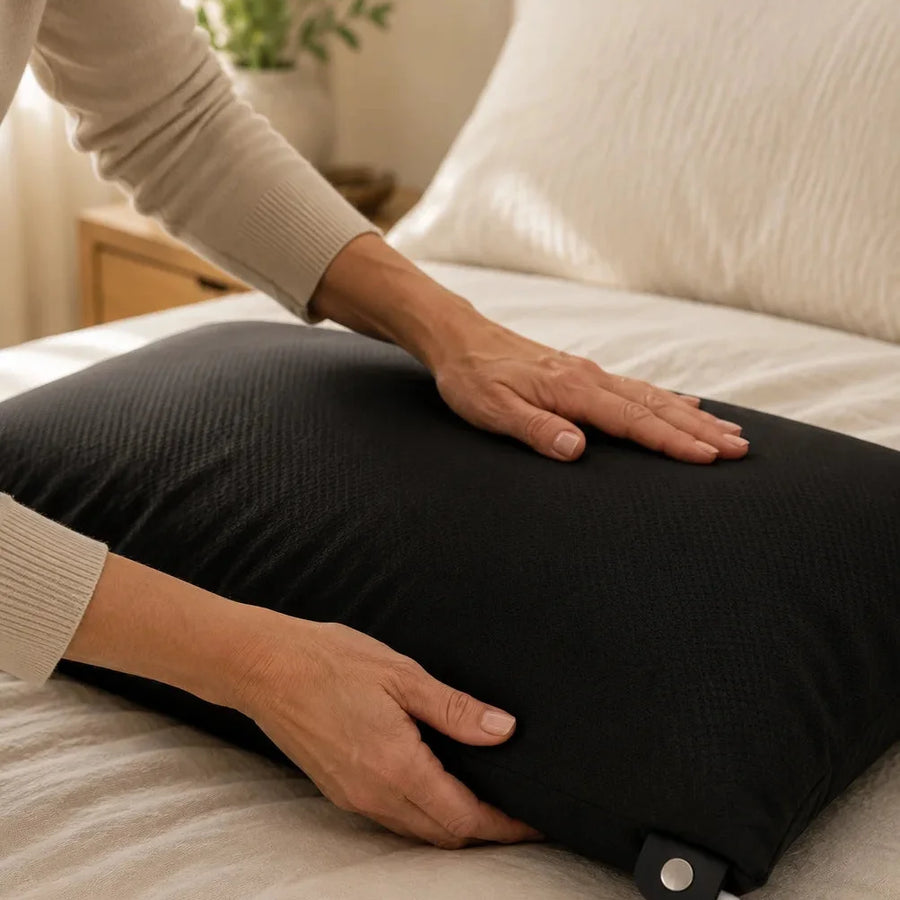
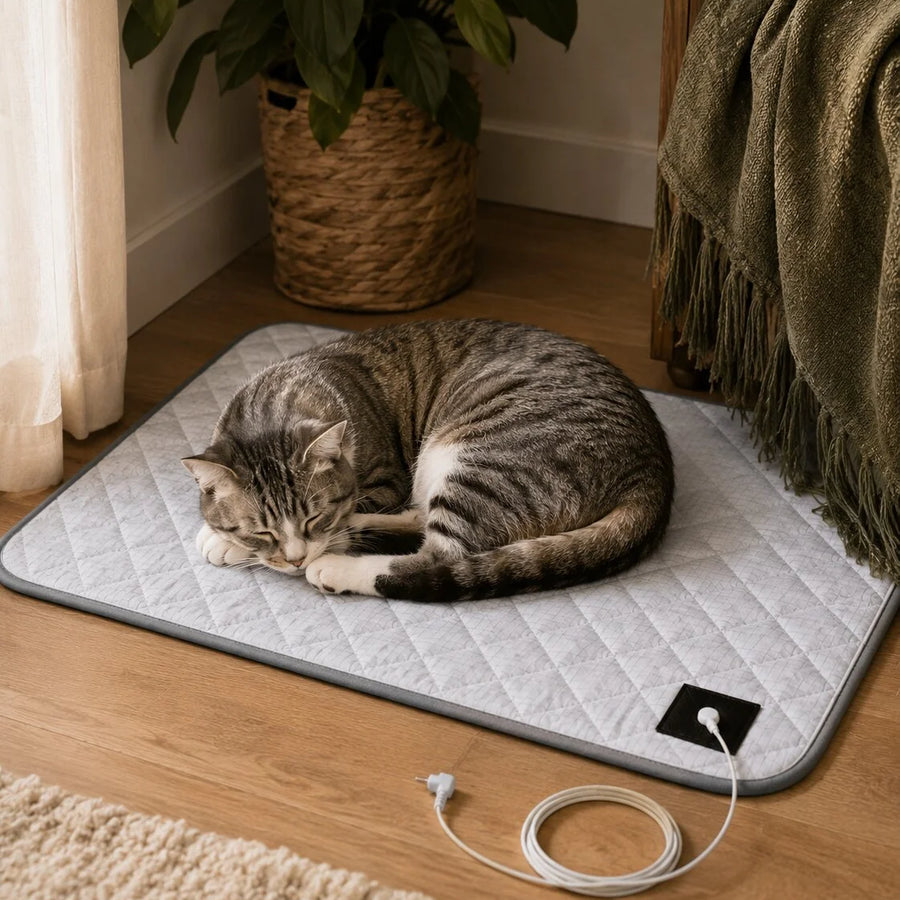
Grounding isn’t just for humans. The idea is simple: connect with the Earth to exchange free electrons and neutralize harmful processes inside the body. Many people find grounding products — like Earthbound’s grounding mats — improve their sleep quality. The same is true for canines.
While it’s not a replacement for vet care or behavioral training, it can be a potential wellness add-on. Always supervise your dog with new bedding or mats, and avoid sharp clips, cords, or wires.
3. Daytime Habits That Improve Nighttime Sleep
Daytime Exercise and Mental Stimulation
If your dog still has lots of energy before they go to bed, likely, they aren’t worn out enough from their day. Daily walks, playing fetch, and training sessions all tire a dog out. Even sniffing time or puzzle feeders helps wear them out, forcing them to use their brains.
Napping Schedule — Don’t Oversleep During the Day
If they sleep too much in the day, there’s not much chance they’ll sleep at night. Constant dozing is the enemy of a good night’s sleep. While short, scheduled naps can be necessary, if you want your dog to sleep through the night, avoid excessive daytime sleep. It’s often a problem in older dogs with less energy.
4. Diet, Hydration, and Nighttime Comfort
Meal Timing and Size
Can you eat a full meal and then head off to bed? A dog’s digestive system needs 2-3 hours after their main meal to help with digestion. It allows the food to settle, preventing any discomfort close to bedtime. If they eat late, it can often lead to digestive problems — especially if they’re eating heavy or gas-inducing foods.
Food also spikes their blood sugar, keeping them more alert. So, if your dog takes a while to settle, that might be the cause.
Controlled Water and Potty Breaks
Too much water before bed can lead to them needing to use the toilet during the night. Ideally, you should give them water earlier in the evening, reducing intake closer to bedtime.
For puppies, this is especially a big deal — the last potty break should be before “lights out.” This ingrains the habit as part of good training.
Healthy Treats and Chews
Some supplements and vet-approved chews are specifically designed to calm pooches down during the evening. Often, they contain different amino acids or chemicals like chamomile, hemp powder, or ashwagandha to lower anxiety levels, evening them out just before bed. Always speak to your vet first.
5. Addressing Anxiety and Behavioral Issues
Identify Anxiety Triggers
Loud noises and sudden changes are common anxiety triggers.
Whether it’s fireworks, separation, or life changes (e.g., new home or new baby), your dog doesn’t understand what’s going on.
Be aware that the symptoms of separation anxiety or general anxiety can present as stubborn bedtime behavior. Your dog isn’t being difficult on purpose. They’re just struggling to adapt.
Training and Consistency Tips
Consistency matters with dogs. Following crate training basics and teaching commands like “settle” or “place” can help a dog understand what’s expected. Avoid rewarding attention-seeking behavior during the night. This only reinforces it for next time.
When to Call a Vet or Behaviorist
Not every case of bad sleep requires a vet or behaviorist. But sometimes problems are beyond your control. If you notice sudden onset, whining, limping, pacing, panting, or aggression, it’s worth booking an appointment.
In senior dogs, chronic pain or cognitive decline can heavily disrupt sleep. Just give them a little extra patience and support.
How Grounding Can Support Your Dog’s Sleep

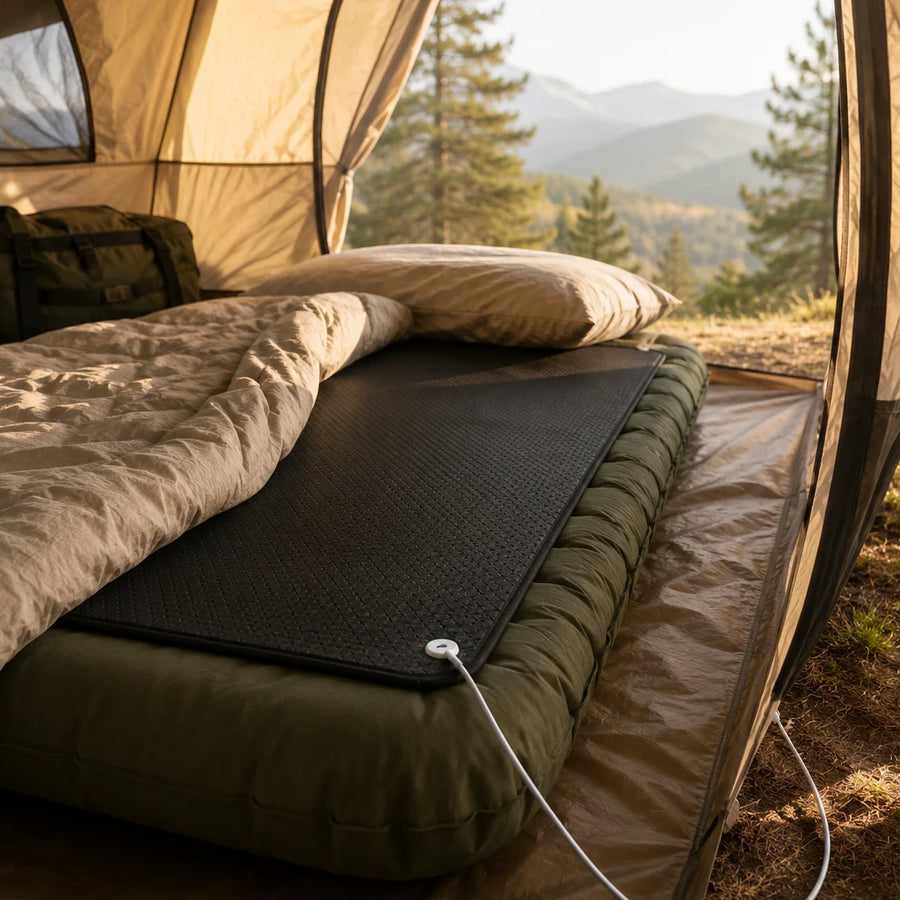
Grounding is the practice of connecting with the Earth’s natural electrical charge. Traditionally, that might mean walking barefoot outside or swimming in natural water. But increasingly, it involves using a grounding mat or sheet — allowing that connection even when you’re indoors.
It’s often seen as something for humans. But dogs don’t always get consistent contact with natural ground either. Walks on pavements, limited outdoor time, or reduced mobility (especially in older dogs) can all limit that connection.
Many people report deeper, more restorative sleep when grounded. While research in pets is still limited, the same underlying mechanisms may reasonably apply. Some owners notice their dogs settling more easily and resting more comfortably.
Potential benefits may include:
-
Calmer nervous system: Grounding may help shift the body into a more relaxed state, making it easier for dogs to wind down before sleep
-
Reduced inflammation: Some early research suggests grounding may support lower levels of inflammation — potentially beneficial for older dogs or those with joint stiffness
-
Improved sleep quality: A more relaxed baseline may lead to deeper, less interrupted sleep throughout the night
-
Greater physical comfort: Dogs may experience less tension or restlessness, helping them settle into a comfortable sleeping position more easily
- Faster recovery after activity: Grounding may support recovery following walks or play, particularly in active or aging dogs
How to Introduce a Grounding Mat into Your Dog’s Routine
Start with Familiar Spaces
Dogs struggle with new practices — even new items. Don’t expect your dog to take to grounding overnight. It requires consistency and comfort to help them adjust.
Introduce grounding slowly and monitor your dog’s response.
Start by placing the mat where your dog already rests, such as their bed, crate, or favorite spot. You can’t simply place the mat under the bed, as direct skin contact is crucial. Gradually, your dog will grow accustomed to the product.
Build It into Their Routine with Earthbound Mats
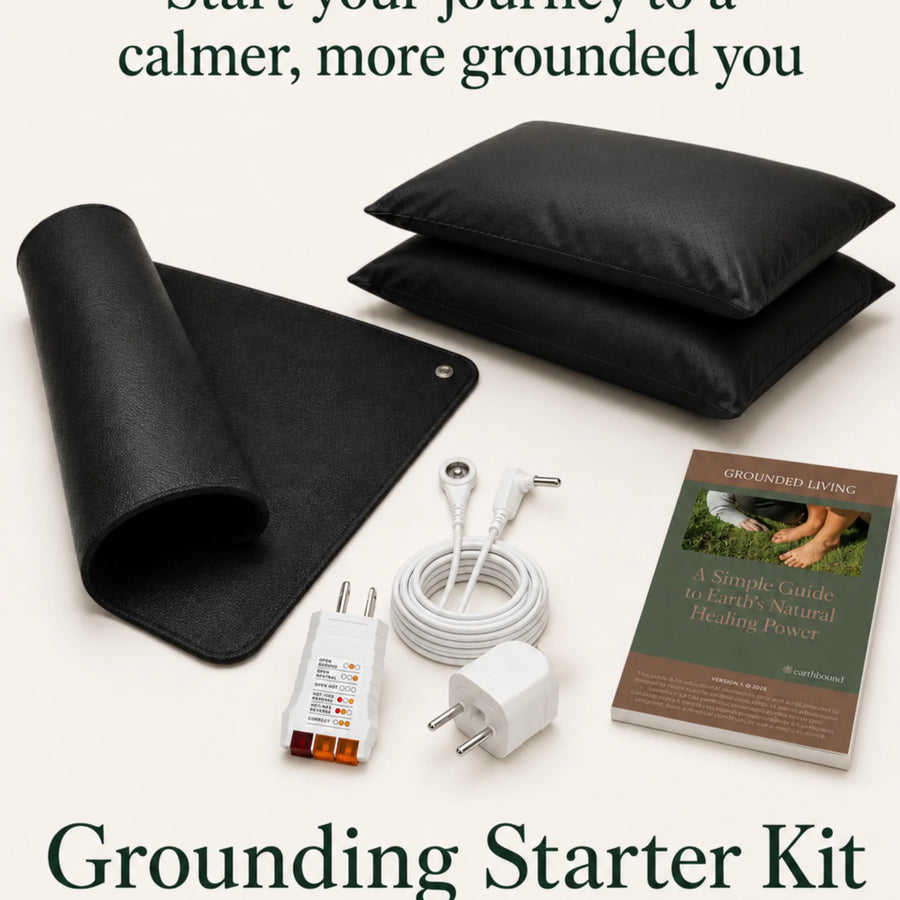
Grounding mats, like those from Earthbound, are designed to fit easily into everyday routines — making it easier to introduce grounding without disrupting your dog’s environment.
Next, you can be more intentional, encouraging your dog to spend 20–40 minutes on the mat per day. Establish it as part of their routine. As they grow used to the mat, increase the time they spend there. The more time on the mat, the greater the potential benefits (although there are diminishing returns).
Eventually, your dog may even choose to sleep on the mat overnight — giving them the best results.
Always ensure the mat is correctly set up. Check that the outlet is properly grounded, and use a continuity checker to confirm a connection is established.
FAQs
How long should my dog sleep at night?
Most adult dogs sleep around 8-10 hours per night, with additional naps during the day. Puppies and older dogs often need more sleep.
Why does my dog wake up at night whining or barking?
Night waking is usually linked to discomfort, anxiety, excess energy, or needing to use the toilet. If it’s persistent, it’s worth ruling out pain or medical causes.
Is it safe to use a grounding mat with my dog?
Yes — if the grounding mat is set up correctly, there’s minimal risk to the dog. Grounding mats don’t generate electricity or carry live current. Always check that your outlet is properly grounded and follow the product instructions.
Can grounding help my older dog with arthritis and sleep issues?
In humans, some studies show beneficial effects on arthritis and sleep. It may reduce inflammation in the body by neutralizing free radicals. While it’s not a treatment, there may be beneficial effects for older dogs.
How can I help my dog sleep better without medication?
Focus on routine, comfort, and environment. Sleep is less about medication than consistent routine, regular exercise, and a quiet, comfortable sleeping space. You can use orthopedic beds or grounding mats to aid in better sleep.