

Your body does some of its most important repair work at night. During deeper sleep stages, your immune system becomes more active, and your body works through its natural healing cycle. Sleep deprivation is associated with elevated markers in several research studies, making your nighttime routine more important than many people realize.
The strategies below focus on sleep consistency, your sleep environment, evening nutrition, nervous system regulation, and grounding practices. None of these replace medical care, but practiced consistently, they may support healthier overnight healing and help lower inflammation over time.
Why Nighttime Sleep and Inflammation Are Connected
Chronic inflammation is influenced by many lifestyle factors. Sleep is one of the most significant among them. When nighttime sleep is poor or frequently cut short, your body has less time to complete its natural repair cycle.
Early evidence suggests that supporting sleep consistency and depth may help the body manage inflammatory activity more effectively. Your brain also uses the quieter hours to clear metabolic waste, which plays a role in overall health. Addressing your nighttime habits is, therefore, one of the more practical approaches to supporting inflammatory health naturally.
10 Ways to Reduce Inflammation While Sleeping

1. Keep a Consistent Bedtime Each Night
Your immune system follows a circadian pattern just like the rest of your body. Irregular timing disrupts this pattern and is associated with increased activity in observational studies. Going to bed and waking at consistent times each day may help support better sleep quality over time.
Even partial improvements in consistency are associated with improvements in sleep quality, helping support natural body rhythms over time. This is one of the simplest steps you can take toward better overnight healing.
2. Cool Down Your Room for Deep Tissue Healing
Your core body temperature drops naturally as you enter deeper sleep stages. A room that is too warm can interfere with this process and reduce the depth of your sleep. Most sleep experts reference a bedroom temperature between 60 and 67 degrees Fahrenheit as a general guide.
Keeping your room cool may help support deeper, more restorative sleep. This simple adjustment may support the deep tissue healing processes your body carries out during rest.
3. Block Out Light to Support Antioxidants and Melatonin
Light exposure in the evening signals to your brain that it is still daytime. This suppresses melatonin production and delays your body's transition into sleep mode. Early evidence suggests melatonin plays a role in antioxidant activity in the body.
Dimming lights an hour before bed and using blackout curtains may support more complete melatonin production. This low-effort step can meaningfully improve sleep depth and overnight health.
4. Adopt Healthier Eating Habits in the Evening
What you eat before bed may influence your overnight healing. Anti-inflammatory eating in the evening focuses on whole foods rich in polyphenols and omega-3 fatty acids. Green tea is rich in compounds that some studies associate with anti-inflammatory benefits when consumed regularly.
Avoiding high-sugar snacks and processed foods close to bedtime is a practical first step. Some people report improvements in how rested they feel when they adopt a whole-food evening eating pattern consistently.
5. Check Your Alcohol and Caffeine Habits
Alcohol may initially make you feel drowsy, but it disrupts your sleep pattern later in the night. It reduces time spent in the deeper stages most associated with healing and regulation. Check your alcohol intake in the evening and try putting a firm cutoff time in place as a straightforward step toward better overnight health.
Caffeine consumed too late in the day can delay sleep onset and reduce total sleep time. Lowering your intake of both supports more restorative sleep and overall well-being.
6. Add Breathwork to Your Evening Routine
Your nervous system operates in two primary modes: sympathetic activation and parasympathetic healing. Chronic pressure keeps many people in sympathetic mode even at night. Slow breathing exercises before bed may help shift your nervous system toward a more restful state and support better sleep onset naturally.
Even ten minutes of intentional breathwork can support a smoother transition into deeper sleep. A 2019 pilot study published in Scientific Reports found that slow-paced breathing before sleep was associated with improvements in sleep onset and overall sleep quality among participants.
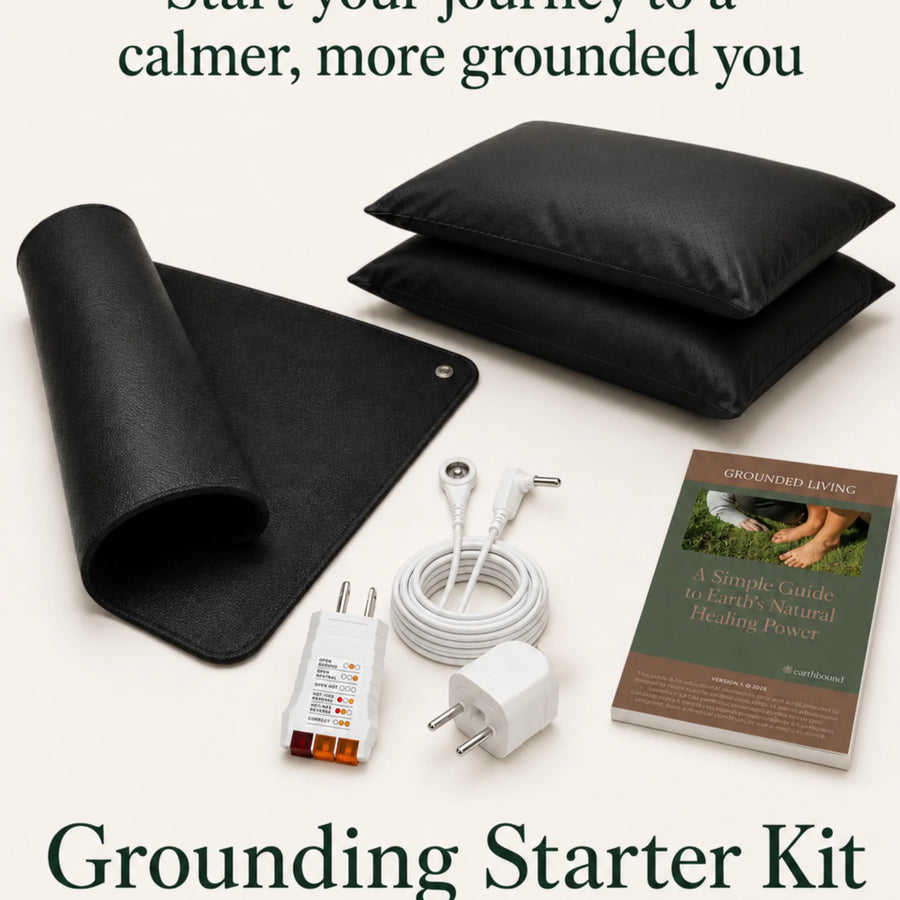
7. Use a Grounding Sheet or Grounding Mats
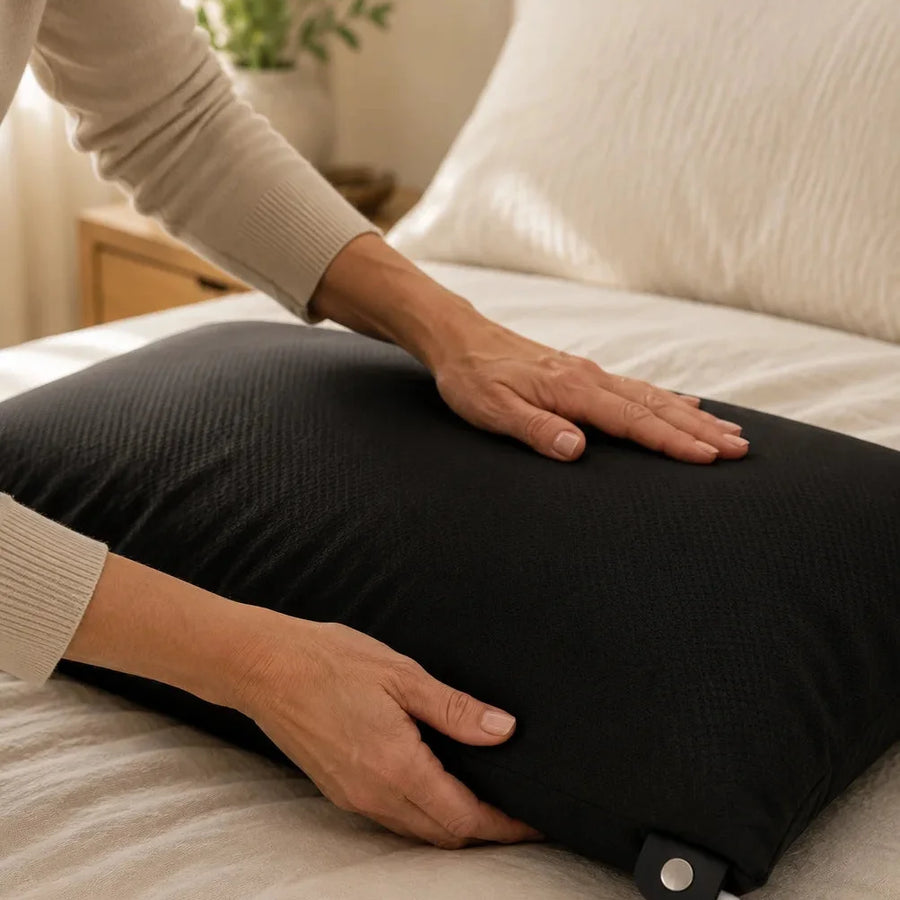
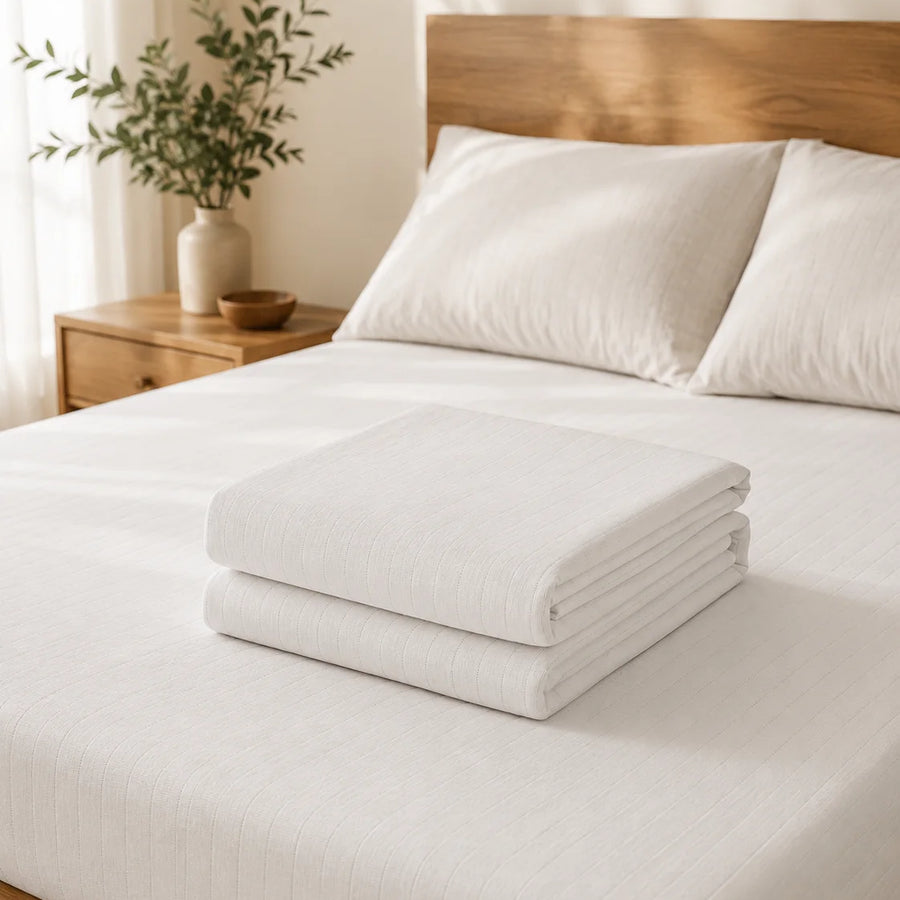
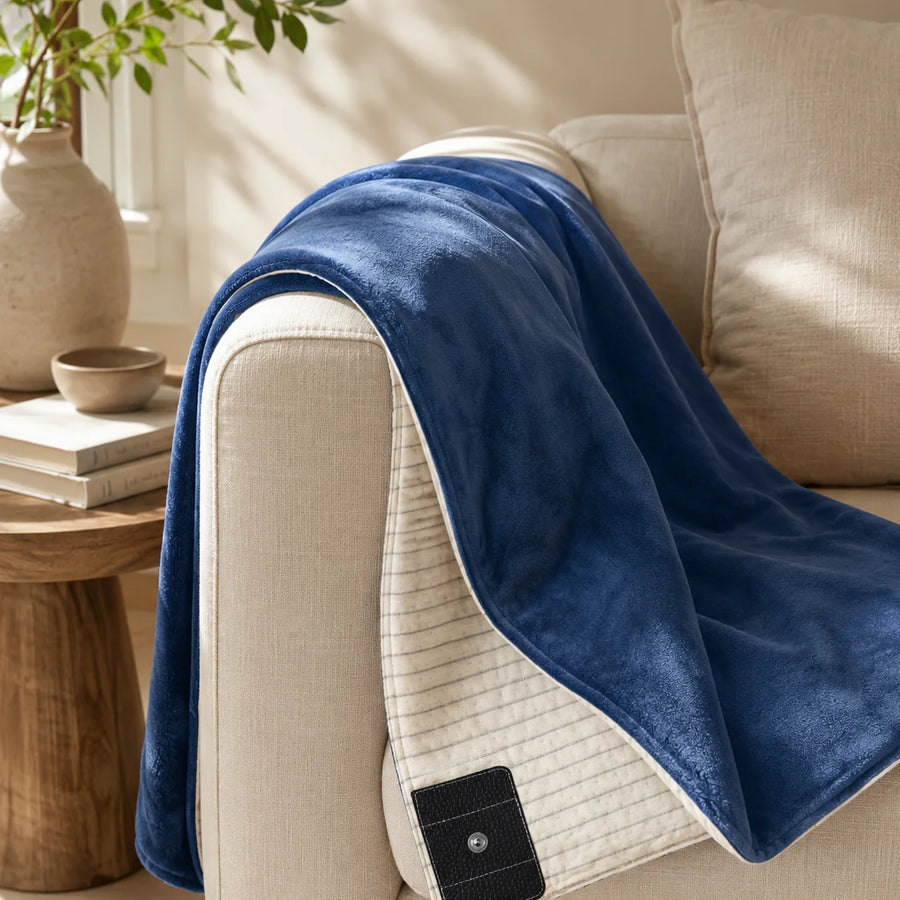
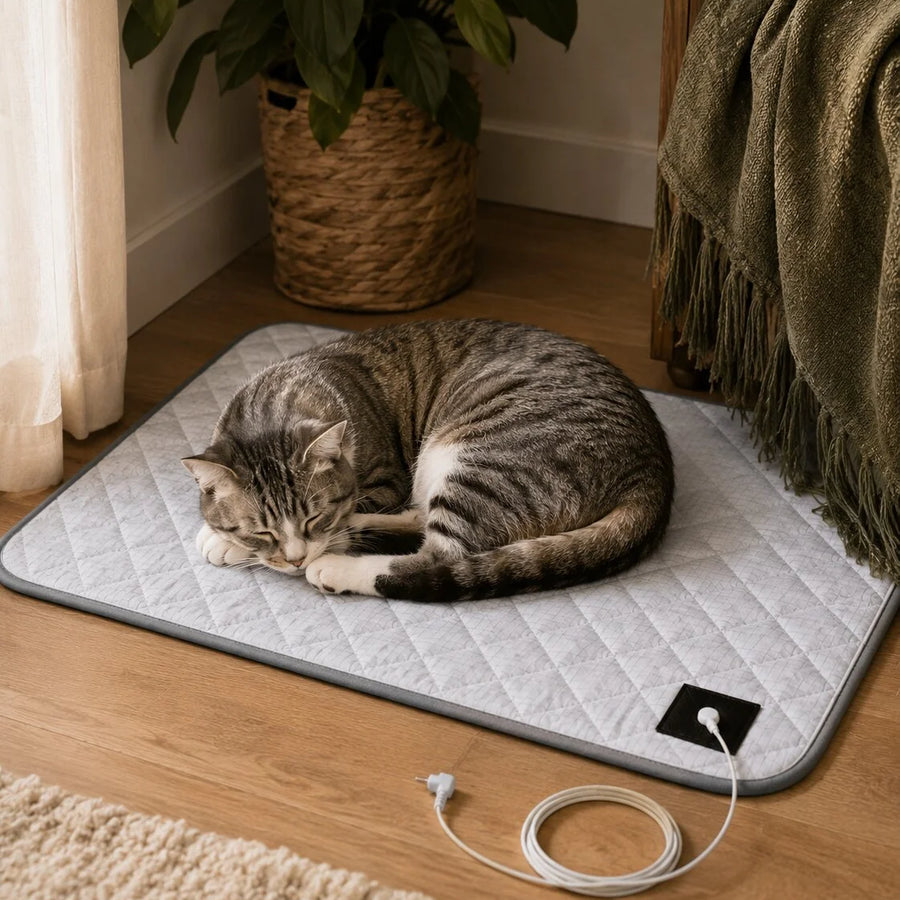
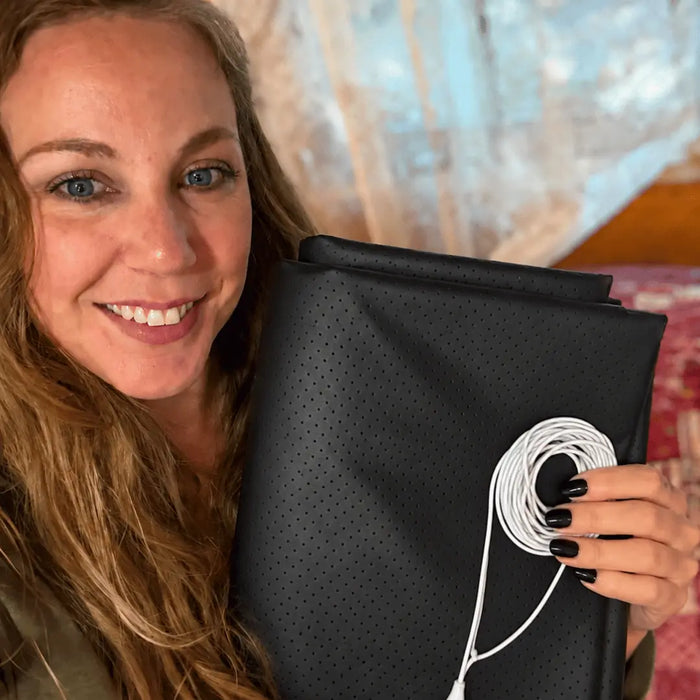
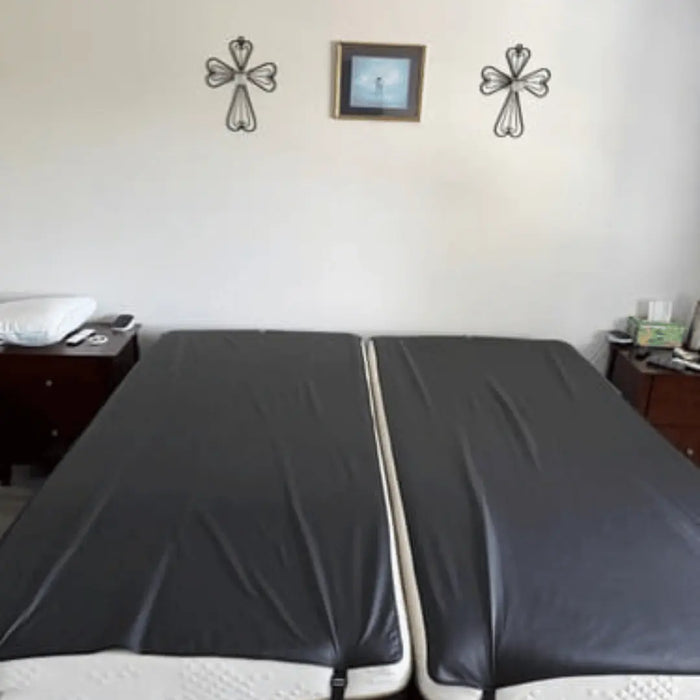
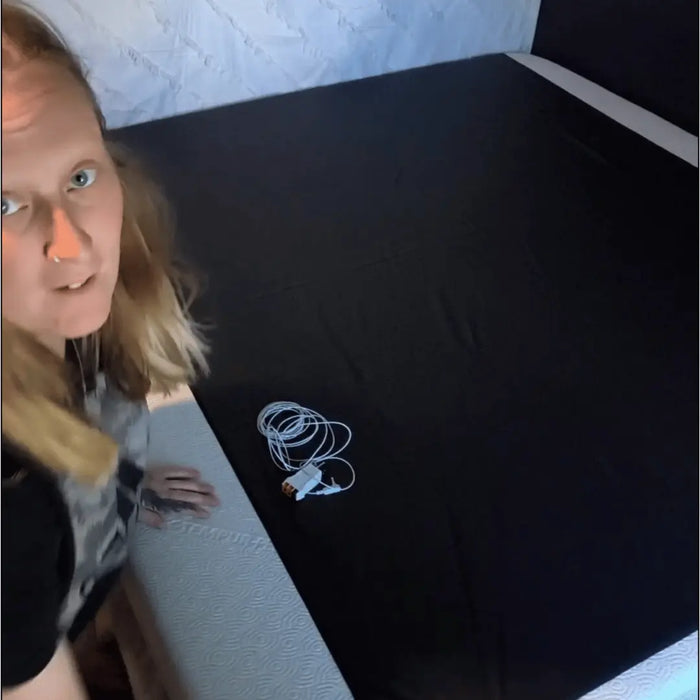
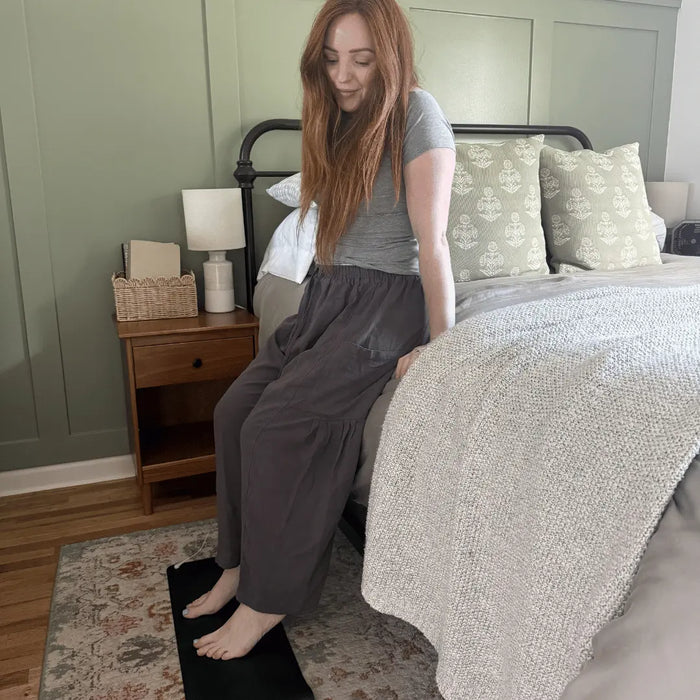
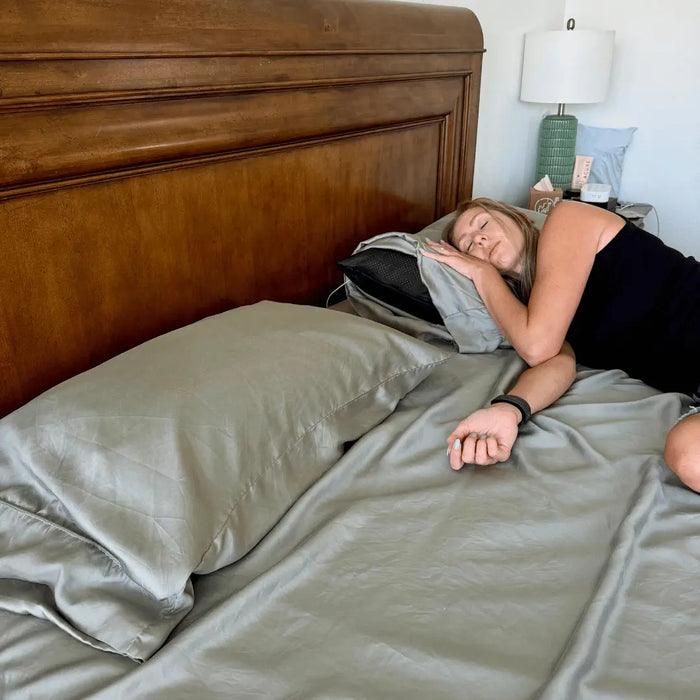
Grounding, also known as earthing, involves maintaining conductive contact with the Earth's natural electrical charge. Indoors, this is possible through products like a grounding sheet or grounding mats, which connect to the ground port of a standard outlet via a grounding cable.
A 2019 study published in Frontiers in Physiology by Müller and colleagues found that grounded sleeping was associated with a dampened inflammatory response and faster muscle recovery after physical exertion compared to ungrounded sleeping. Some people report feeling more rested and experiencing reduced joint discomfort after consistent nightly grounding, though individual results vary.
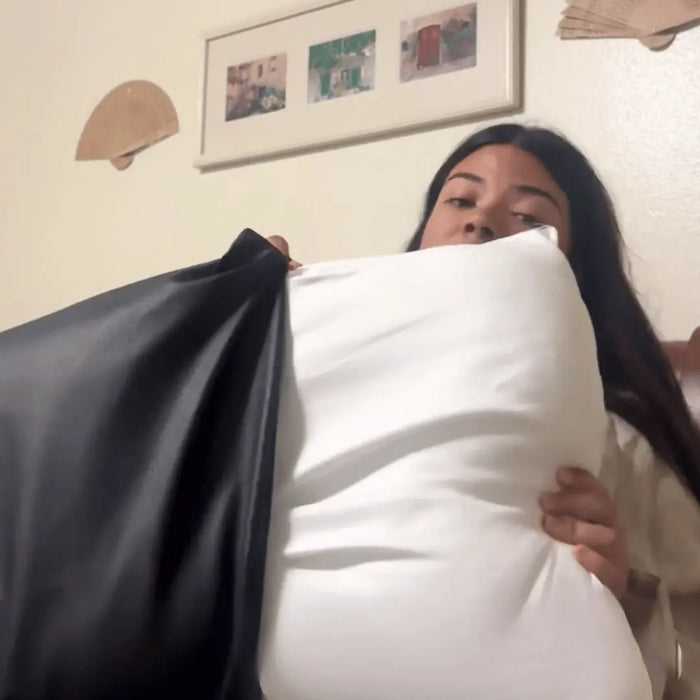
A grounding mat uses a silver blend conductivity layer to maintain the conductive connection while you sleep. You can place a regular sheet on top for comfort, making it easy to incorporate into your existing setup.
8. Support Overnight Healing With Magnesium-Rich Foods
A healthy diet that supports sleep also tends to support lower inflammatory activity. Foods rich in magnesium, such as leafy greens, seeds, and legumes, are associated with better sleep and reduced disease risk in some studies. Adding magnesium-rich foods to your evening meals on a consistent basis is a practical step toward better overnight healing.
Some people report that shifting toward whole food choices also improves how energized they feel each morning. Study your current evening eating habits and look for small changes that support both sleep and health over time.
9. Address Evening Pressure for Improving Sleep Quality
Stress that carries into the evening keeps cortisol elevated at a time when it should be declining. Elevated cortisol at night is associated with disrupted sleep and slower overnight healing. Improving sleep quality in this area starts with actively offloading mental tension before bed.
Journaling, talking through concerns, or making a short list for the next day can all help. Professional support services are also worth considering for people managing ongoing pressure that consistently affects their sleep and health.
10. Build a Wind-Down Routine to Reduce Inflammation Over Time
Your nervous system responds well to predictable patterns each night. A consistent wind-down in the thirty to sixty minutes before bed signals to your body that it is time to shift into healing mode. Consistent sleep habits are associated with healthier inflammatory regulation over time.
Dimming lights, turning off screens, light stretching, or calm reading are all practical options. Over time, your body begins to associate these cues with sleep onset, supporting faster and deeper healing night after night.
Building a Routine That Supports Your Health

Supporting your body's overnight healing does not require a complicated protocol. Start with the fundamentals: consistent timing, a cool and dark room, healthy evening nutrition, and a wind-down routine. Then consider adding grounding to your setup as an additional layer of passive support each night, whether through individual products or more complete grounding sleep kits, which typically include multiple components designed to support consistent overnight use.
If you are managing a chronic disease or an ongoing inflammatory health condition, speak with a qualified healthcare provider before making significant changes. These strategies support general wellness and are not a substitute for medical care or therapy.
Try putting together a simple weekly review of your nighttime habits to track what is working. Check in with yourself each morning to note how rested you feel and whether your energy and overall health are improving. Some people also find it helpful to work with a healthcare provider to build a structured plan that addresses both lifestyle habits and any underlying conditions contributing to their inflammatory health concerns.
Frequently Asked Questions
Can sleep really affect inflammatory activity?
Sleep deprivation is associated with elevated markers in observational studies. Supporting sleep consistency may help your body manage inflammatory health more effectively over time, though individual responses vary.
What role does diet play in overnight healing?
A healthy diet in the evening, including foods rich in antioxidants and polyphenols, may support better overnight healing. Green teas are rich in compounds that some studies associate with positive effects on inflammatory health when consumed regularly.
How does a grounding mattress pad support overnight healing?
A grounding mattress pad uses silver blend conductivity to maintain conductive contact with the Earth's electrical charge. Early evidence suggests this may be associated with changes in inflammatory activity and sleep quality. More studies are ongoing.
What is the most important nighttime habit for overall health?
There is no single habit that works for everyone. Consistent timing, a cool environment, healthy eating choices, and reducing evening pressure are among the most commonly cited factors associated with better overnight healing and health.