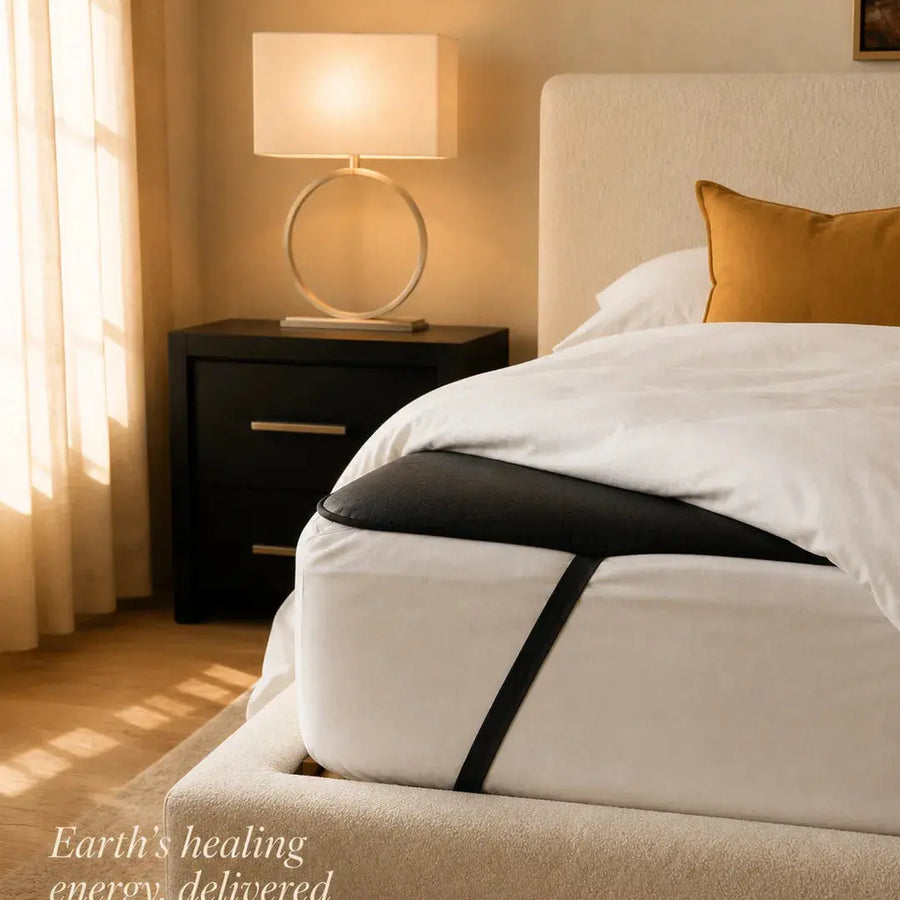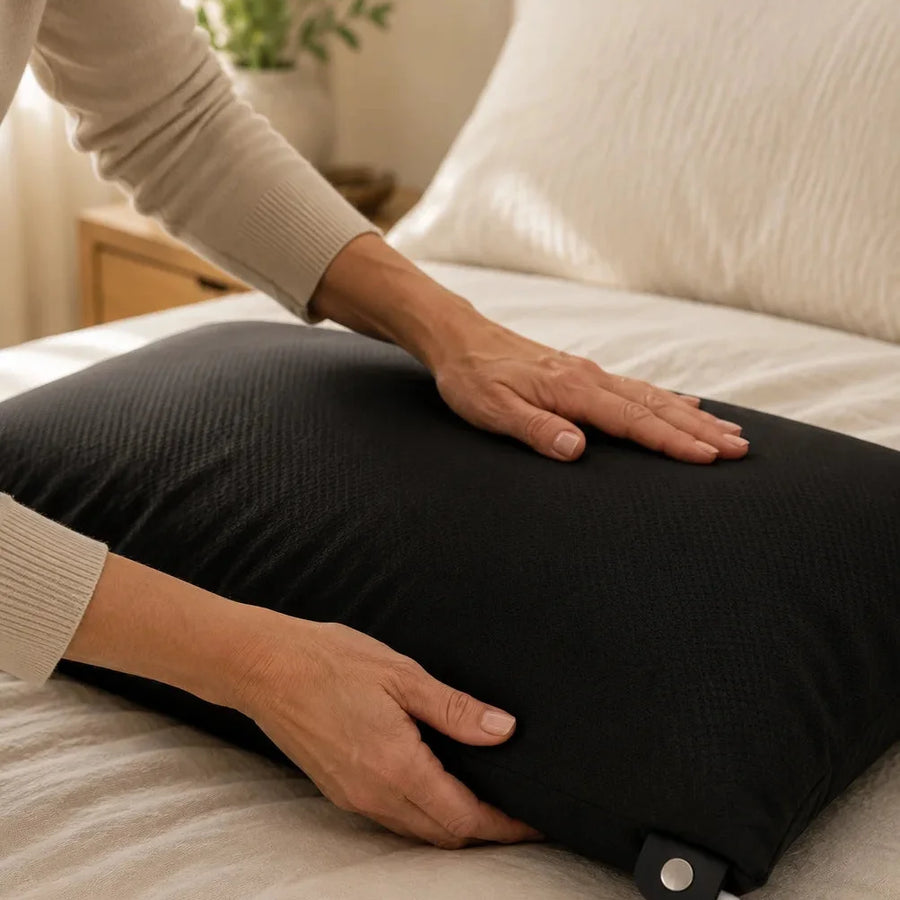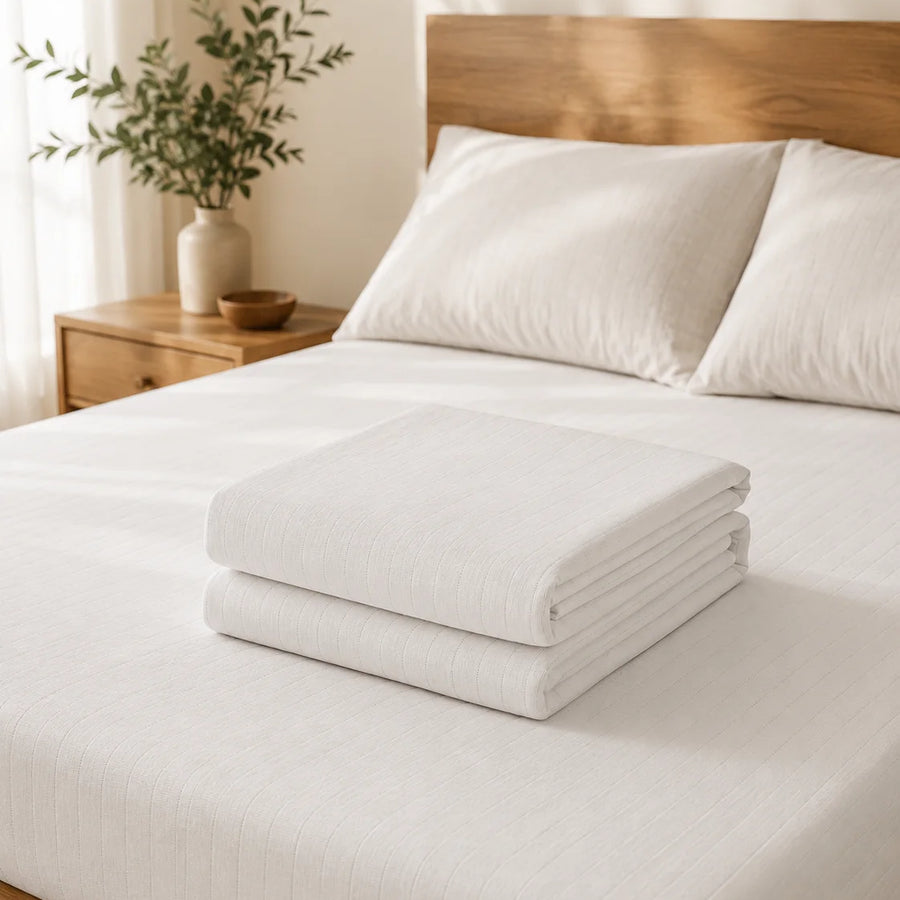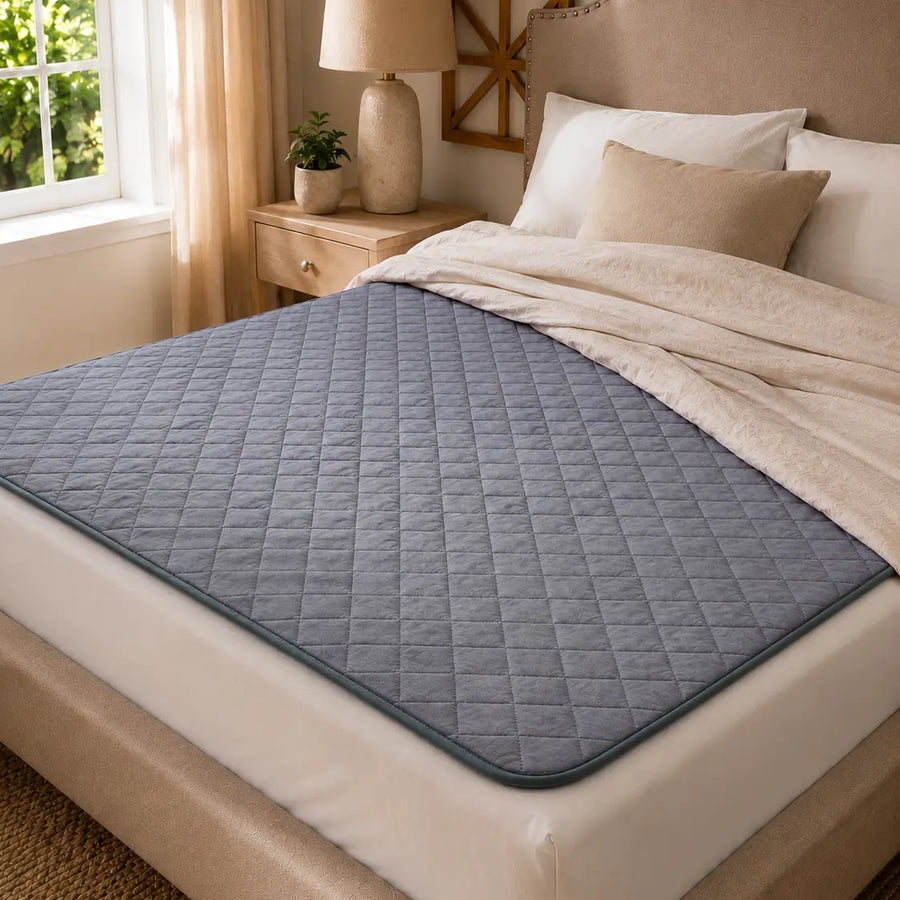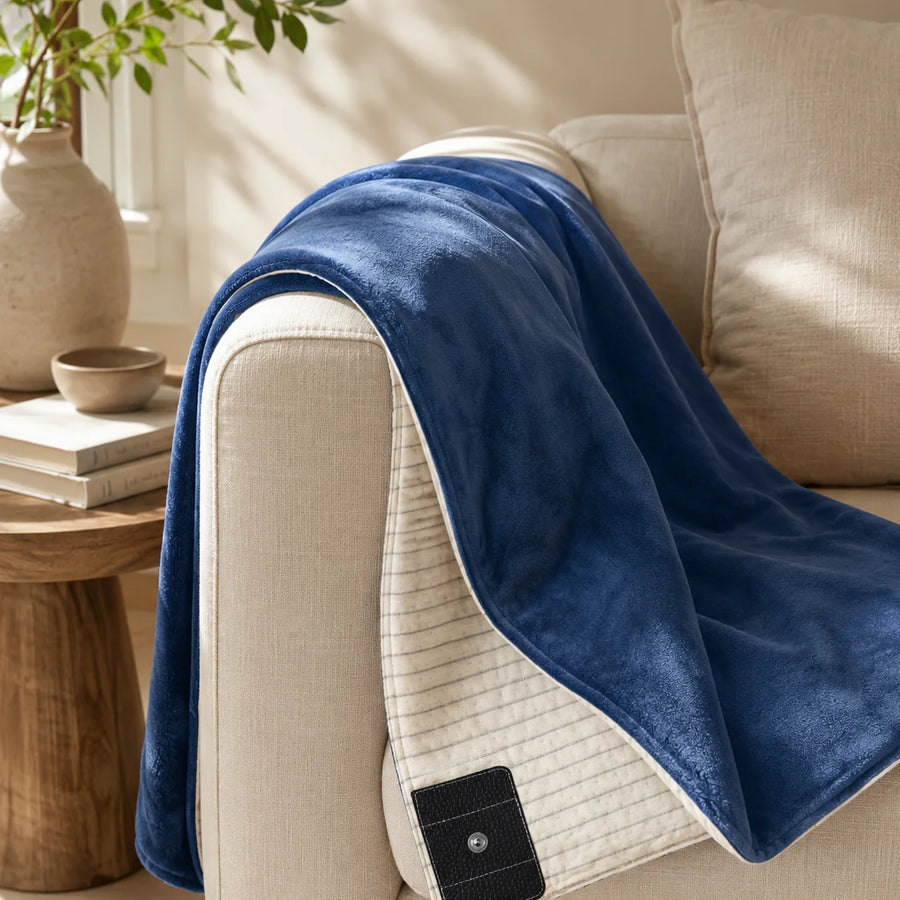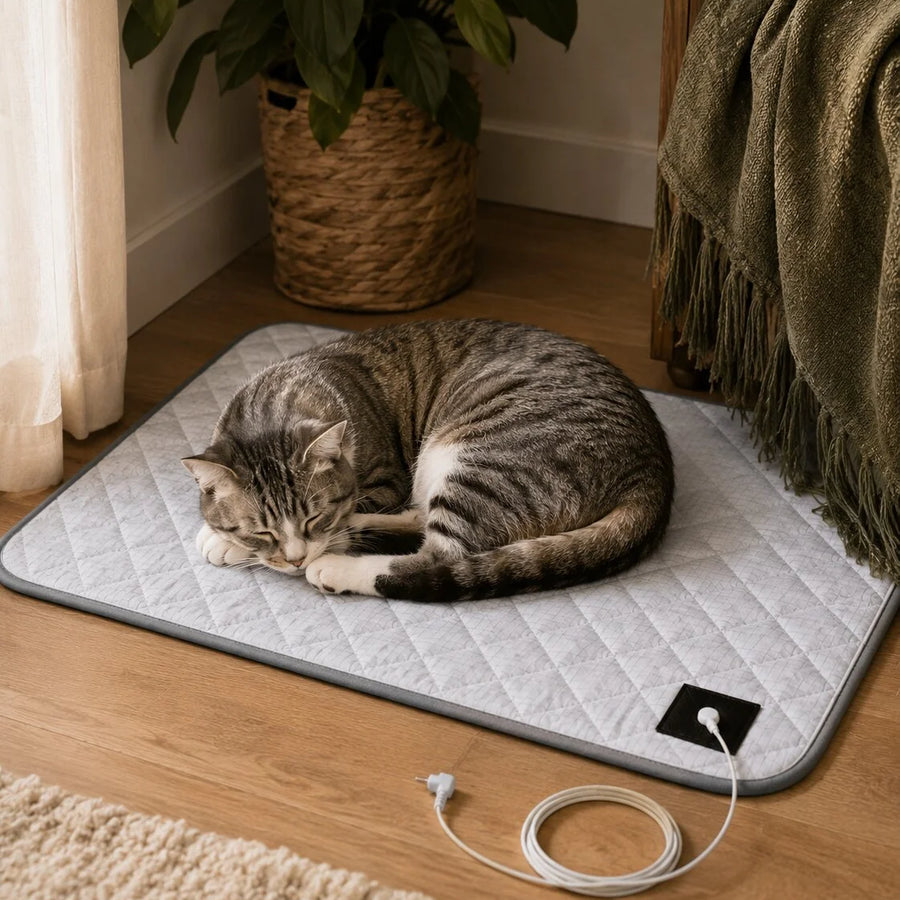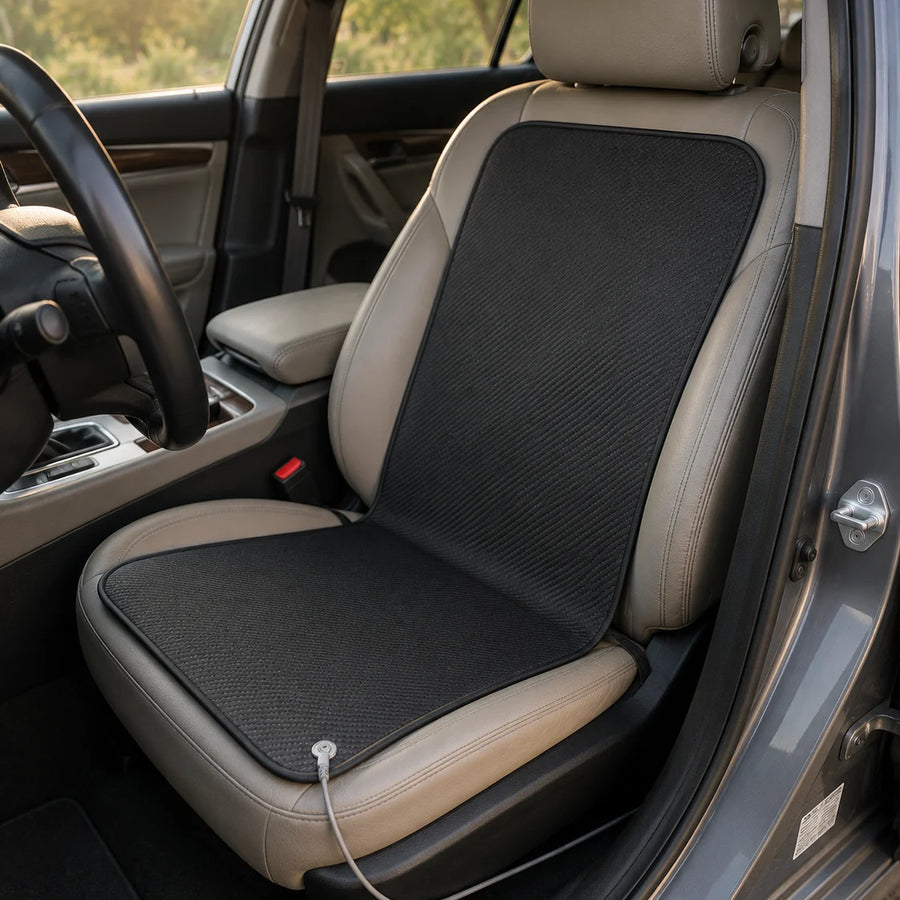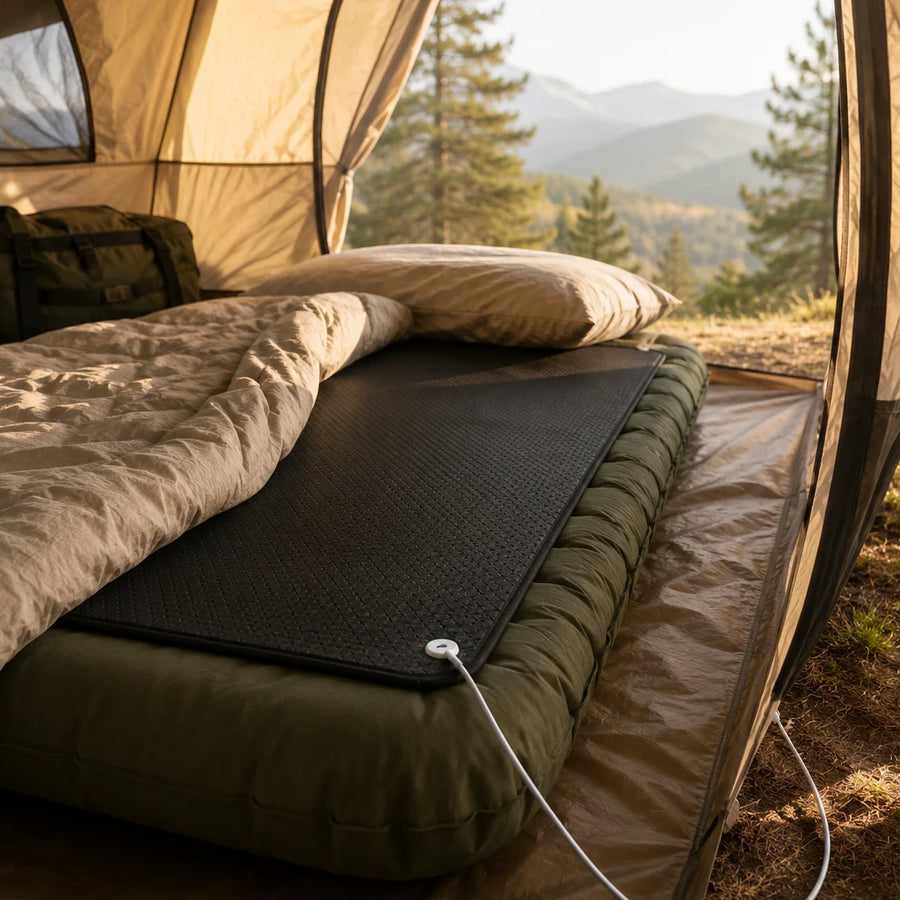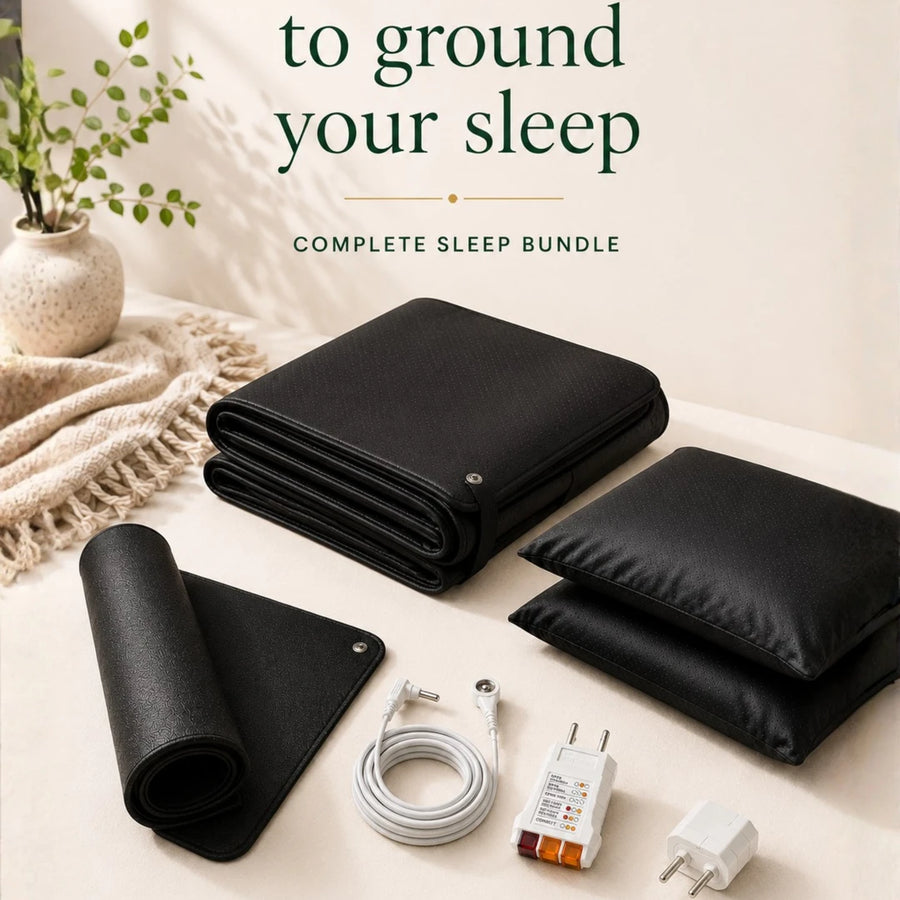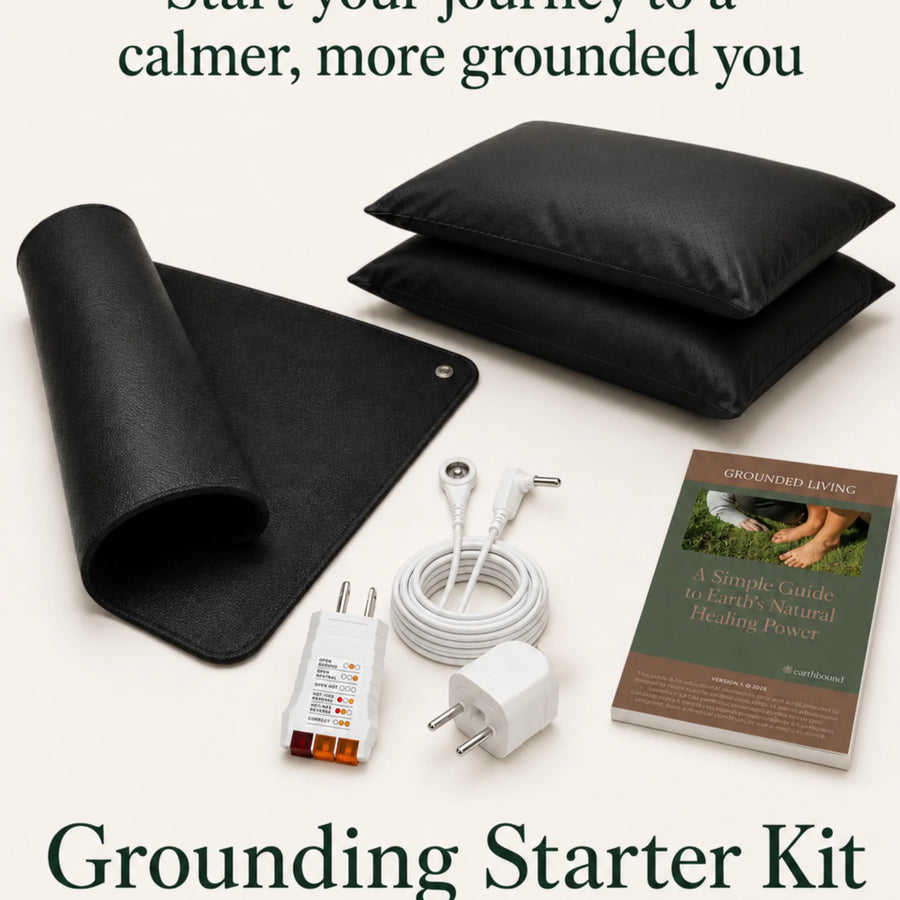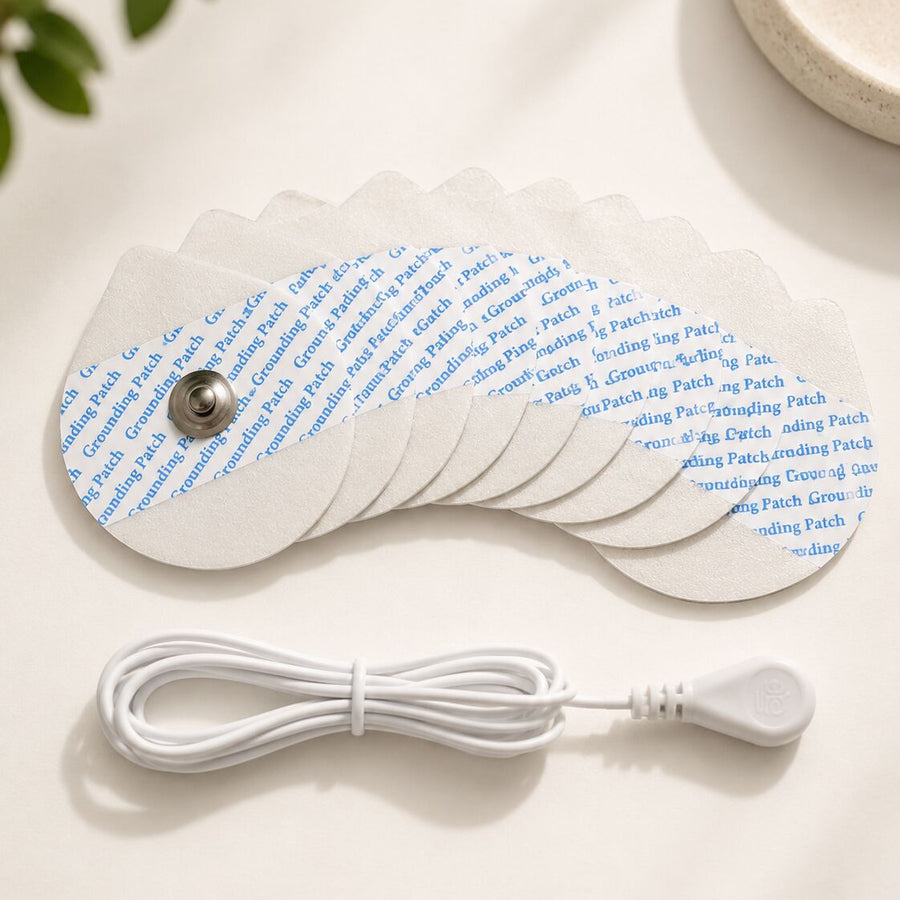



Grounding your sleep is one of the best ways to use a grounding mat. Many people choose to ground during sleep, as you can radically increase the number of hours you’re in contact with the mat — often far beyond what you’d achieve by walking outside.
Grounding is the practice of connecting with the Earth’s natural electrical field. Most people think of it as walking barefoot outside or swimming in natural water. But with a grounding mat, you can ground anywhere, anytime — including in your sleep.
Sleeping on a grounding mat isn’t 100% necessary. Even short daytime sessions offer potential benefits. But overnight is a common preference among people who want the most from the practice, as it allows for longer, uninterrupted contact.
Benefits of Sleeping on a Grounding Mat
Better Sleep Quality and Deeper Rest
Grounding is most commonly used to support sleep. Users often report falling asleep more easily, fewer nighttime awakenings, and feeling less “wired” in their daily lives.
But it’s not just anecdotal.
A 2024 study found that after just 21 days of sleeping on a grounding mat, users experienced:
- 80% increase in REM sleep.
- 78% increase in non‑REM sleep.
- 15% reduction in waking time.
Reduced Inflammation and Joint Discomfort
Grounding is believed to work by neutralizing free radicals responsible for oxidative damage and inflammation with free electrons from the Earth’s surface. And the 2024 results supported this conclusion. Increased levels of the antioxidant enzyme superoxide dismutase hinted at less oxidative stress and cellular damage.
Other studies have noted measurable differences in inflammatory markers such as white blood cells and cytokines. It’s been explored as a supportive approach for arthritis, age-related joint pain, and muscular discomfort.
Faster Recovery and Muscle Support
Athletes often use grounding mats to speed up their recovery. By sleeping on the mat, they can optimize their training, experience less soreness, and perceive recovery more quickly.
One study looked at grounding after downhill treadmill running. Grounding resulted in faster recovery and less “pronounced markers of muscle damage and inflammation.” How? It’s suggested that grounding may reduce delayed onset muscle soreness and support recovery.
Stress and Nervous System Calm
Stress and nervous system overactivity occur when the body experiences persistent stimulation. Higher cortisol levels and a persistent autonomic tone affect sleep and bodily recovery.
Grounding during sleep can lower cortisol levels, aligning the body with the natural 24-hour circadian rhythm. Patients who practiced grounding during sleep for 8 weeks reported improved sleep and reduced pain and stress.
How to Use a Grounding Mat for Sleep (Safe Setup)
1. Choose the Right Mat
Not all grounding mats are suitable for sleep. Ideally, you want a bed-specific design—either a sleep mat or a grounding sheet. It must contain a conductive material such as carbon or silver fibers to allow electrons to flow into the body.
Think about your bed size. The greater the contact between your body and the mat, the more effective it will be.
2. Placement on the Bed
For best results, a grounding mat should be in direct contact with your skin. That’s why many people opt for a grounding sheet.
You can put a mat under a thin cotton or bamboo sheet around your torso or legs. Most modern mats can work through light fabrics. If it’s beneath a sheet, try to maximize contact with at least one area of the body, such as an arm or an ankle.
3. Connecting to a Grounded Outlet
Grounding mats connect to a grounded outlet using the cord. Only connect the cord to the grounded port, not live wires. However, grounding mats are not designed to carry live current. Always test an outlet to ensure it’s grounded, and use a continuity tester to check your connection.
4. Hydration and Consistency
Drink plenty of water to reduce dehydration. Being well-hydrated improves conductivity, allowing more free electrons to enter your body.
Don’t aim for long, sporadic sessions. It’s better to achieve 30 minutes daily than a whole night now and again.
Why Do People Sleep on a Grounding Mat?

Sleeping on a grounding mat is the easiest way to increase your time spent grounding. Your body already naturally focuses on recovery, repair, and nervous system regulation overnight. Grounding may support these processes over time.
Most daytime sessions last 20-60 minutes. Whereas, during the night, it’s not hard to achieve 6-8 hours of continuous grounding. Many users report greater benefit from prolonged exposure—especially during sleep.
When to Avoid Sleeping on a Grounding Mat
Grounding is generally safe for everyone. However, always speak to your doctor if:
- You have a known pacemaker or implanted device
- You have any significant unexplained symptoms after use.
Grounding won’t work if your outlet isn’t properly grounded or has frequent electrical issues. It’s best to look into a grounding rod if possible.
Is It Safe to Sleep on a Grounding Mat?
Yes — if the grounding mat is set up correctly, there’s minimal risk from grounding your sleep. Always connect to the grounded port of an outlet or use an external grounding rod. Evaluate your setup with a continuity tester before use.
Final Thoughts
If you want to make grounding a consistent habit, sleep is easily the most practical place to start. You’re already lying still for 6–8 hours; you might as well use that time properly.
That’s where a reliable setup matters.
Ready to commit to grounding? You want something you can trust to work properly night after night — not something you’re second-guessing after a week. Earthbound’s grounding mats and sheets are designed to be simple, reliable, and easy to integrate into your bed without overthinking it.
FAQs
Is it okay to sleep on a grounding mat every night?
Generally yes. Grounding every night is a popular option for people who struggle to find time in the day. For healthy adults, there are minimal risks from grounding every night.
Do you need direct skin contact with a grounding mat while sleeping?
Ideally yes. Grounding works best when your skin comes into direct contact with the mat. However, there shouldn’t be too many issues if it’s under a thin cotton or bamboo sheet.
Can a grounding mat help with arthritis or joint pain?
Many users report that their arthritis and joint pain symptoms calm down after several weeks of grounding. Studies increasingly show some benefits for these conditions, though further research is needed.
How long does it take to notice sleep benefits?
That depends on the person. Most people notice the potential sleep benefits within 2-4 weeks of consistent use.
Are there any risks or side effects?
Generally no. Some users may experience mild heat or tingling at first. Otherwise, grounding is a safe practice for most healthy adults.
Can I use a grounding mat if I already have a grounding sheet?
There are no added benefits from using multiple products at the same time. However, you could use a grounding mat while you work and a grounding sheet during sleep.
Is it safe to use a grounding mat during a thunderstorm?
Yes—grounding mats are generally safe to use, even during a thunderstorm, as they connect to your home’s earth system. However, because lightning can (rarely) send surges through wiring, it’s best to unplug the mat during active or nearby storms as a simple precaution.
References
- Ghaly, M. and Teplitz, D. (2004) The biologic effects of grounding the human body during sleep as measured by cortisol levels and subjective reporting of sleep, pain, and stress. Journal of Alternative and Complementary Medicine, 10(5), pp. 767–776. Available at: https://doi.org/10.1089/acm.2004.10.767
- Müller, E., Pröller, P., Ferreira-Briza, F., Aglas, L. and Stöggl, T. (2019) Effectiveness of grounded sleeping on recovery after intensive eccentric muscle loading. Frontiers in Physiology, 10. Available at: https://doi.org/10.3389/fphys.2019.00035
- Oschman, J.L., Chevalier, G. and Brown, R. (2015) The effects of grounding (earthing) on inflammation, the immune response, wound healing, and prevention and treatment of chronic inflammatory and autoimmune diseases. Journal of Inflammation Research, 8, pp. 83–96. Available at: https://doi.org/10.2147/JIR.S69656
- Sleep Review Magazine (2024). Can a grounding mat really improve sleep quality? Available at: Can a grounding mat really improve sleep quality? (Accessed: 31 March 2026).