


Most Americans aren't getting enough sleep. According to the CDC, roughly one in three adults regularly gets less than the recommended seven hours of sleep each night. That's bad news for everything from concentration and productivity to long-term physical and mental health.
But what if the problem isn't entirely personal?
We often think of sleep as something we control through better habits. Go to bed earlier. Put your phone away. Drink less coffee. Yet where you live may play a bigger role than many people realize.
After all, sleep doesn't happen in isolation. Some states have longer average commutes. Others struggle with higher levels of light pollution, air pollution, and urban noise. Even factors like physical activity levels and access to green space can influence how easily people switch off at the end of the day.
To find out, Earthbound analyzed sleep deprivation rates across all 50 states alongside a range of environmental and lifestyle factors linked to sleep quality. We then ranked every state from most to least sleep-deprived.
The results reveal a striking divide. In some states, fewer than three in ten adults report insufficient sleep. In others, nearly one in two do. The question is why.
Hawaii Is America's Most Sleep-Deprived State
Hawaii ranks as the most sleep-deprived state in America, with 45.6% of adults reporting that they regularly get less than seven hours of sleep per night.
It was followed by West Virginia (41.3%), Alabama (40.5%), Louisiana (39.8%), and Kentucky (39.3%). In each of these states, roughly four in ten adults fail to get the recommended amount of sleep.
The gap between the best and worst-performing states was surprisingly large. Adults in Hawaii were more than 50% more likely to report insufficient sleep than those living in Vermont or Minnesota.
While individual habits undoubtedly play a role, the scale of the difference suggests that wider environmental and lifestyle factors may also be influencing how well Americans sleep.

America's Most Sleep-Deprived States
|
State |
Insufficient Sleep (%) |
|
Hawaii |
45.6% |
|
West Virginia |
41.3% |
|
Alabama |
40.5% |
|
Louisiana |
39.8% |
|
Kentucky |
39.3% |
|
Nevada |
38.9% |
|
Tennessee |
38.8% |
|
Arkansas |
38.7% |
|
Ohio |
38.5% |
|
New York |
38.4% |
America's Best-Rested States
|
State |
Insufficient Sleep (%) |
|
Vermont |
29.6% |
|
Minnesota |
29.6% |
|
Colorado |
30.3% |
|
Nebraska |
30.6% |
|
Oregon |
30.9% |
|
South Dakota |
31.2% |
|
Montana |
31.7% |
|
Wyoming |
32.3% |
|
Washington |
32.4% |
|
Idaho |
32.5% |
The South Has a Sleep Problem
Hawaii wasn't the only surprise in the rankings.
Many of the worst-performing states were concentrated in the South and Appalachia. West Virginia, Alabama, Louisiana, Kentucky, Arkansas, and Mississippi all ranked among America's most sleep-deprived states.
Sleep deprivation isn't evenly spread across the country. Instead, it appears to cluster in specific regions. While many northern and western states performed relatively well, large parts of the South consistently appeared near the bottom of the rankings.
Why?
Sleep is shaped by more than what happens after your head hits the pillow. Health, stress, commuting, physical activity, and the wider environment all influence how much rest people get.
As we'll see later, many of the states that performed poorly also scored highly for factors known to disrupt sleep.

America's Best-Rested States Have Something in Common
Vermont and Minnesota emerged as America's best-rested states, closely followed by Colorado, Nebraska, Oregon, South Dakota, and Montana.
At first glance, the list feels very different from the states at the bottom of the rankings.
Many also have smaller urban populations, darker night skies, and fewer of the environmental factors that appeared elsewhere in the rankings.
That last factor may be particularly important.
Several of the highest-ranking states also have some of the lowest levels of light pollution in America. While a brightly lit city might seem harmless, artificial light is one of the most common disruptors of healthy sleep, interfering with the body's natural circadian rhythm.
The similarities weren't just geographical. They appeared throughout the data.
States With More Sleep Disruptors Tend to Sleep Worse
“The biggest surprise wasn't which states slept best. It was how often the same environmental factors kept appearing throughout the rankings," says Michael Collins, Earthbound's Founder.
The rankings tell us where Americans are sleeping well and where they're struggling. The next question is why.
To investigate, we created a Sleep Disruptor Score for each state. Rather than looking solely at reported sleep duration, the score measures several factors known to interfere with healthy sleep, including light pollution, air pollution, physical inactivity, and average commute times.
The idea is simple. Sleep doesn't begin when you get into bed. It starts much earlier.
Everything from the amount of daylight you're exposed to, the quality of the air you breathe, how active you are during the day, and how much time you spend sitting in traffic can influence how easily you fall asleep and how well you rest.
When we compared the Sleep Disruptor Score against sleep deprivation rates, a clear relationship emerged. States with higher disruption scores generally reported higher levels of insufficient sleep.

Sleep Starts Long Before Bedtime
Think about the difference between spending the evening in a quiet rural town versus a brightly lit city.
One environment is darker, quieter, and often involves less commuting and congestion. The other may involve artificial light, noise, traffic, longer working days, and fewer opportunities for outdoor activity.
Individually, these factors may seem insignificant. Collectively, they can begin to shape sleep habits across entire populations.
That's exactly what appeared in the data.
The best-rested states generally had fewer environmental and lifestyle factors associated with poor sleep, while many of the most sleep-deprived states scored far higher across the board.
No single factor determines how well someone sleeps. Yet the findings suggest sleep may be influenced by more than personal habits alone.
Physical Inactivity Emerged as the Strongest Predictor of Poor Sleep
Physical inactivity emerged as the strongest predictor of poor sleep in the entire study.
States where people were less physically active consistently reported higher rates of insufficient sleep. In fact, physical inactivity showed a stronger relationship with sleep deprivation than light pollution, air quality, or commute times.
The connection makes intuitive sense.
Sleep and movement are deeply connected. Physical activity helps regulate circadian rhythms, reduces stress, improves mood, and increases the body's drive for restorative sleep. People who move more during the day often find it easier to fall asleep and stay asleep at night.
The opposite can also be true.
Long periods of sitting, sedentary lifestyles, and limited physical activity can make sleep less restorative and contribute to a cycle of fatigue. Poor sleep can reduce energy levels, making people less likely to exercise the following day, which can further worsen sleep over time.
The relationship doesn't mean exercise is a cure for every sleep problem. But it does suggest that movement may be one of the most overlooked factors influencing how well Americans sleep.

Long Commutes May Be Stealing America's Sleep
Physical inactivity wasn't the only factor linked to poorer sleep.
Average commute times showed the second-strongest relationship with sleep deprivation in the analysis.
At first glance, that might seem obvious. We all have the same 24 hours in a day. Time spent traveling to and from work has to come from somewhere.
Often, it's sleep.
A 20-minute commute might be a little more than a minor inconvenience. But when journeys stretch to 45 minutes, an hour, or even longer, something has to give. For many people, that means waking up earlier, getting home later, and having less time to unwind before bed.
The relationship appeared again and again throughout the rankings. States with longer average commutes generally reported higher rates of insufficient sleep.
Yet not every state followed the rules.
California and West Virginia Don't Fit the Pattern
Most states followed a fairly predictable trend. Higher Sleep Disruptor Scores generally coincided with higher rates of sleep deprivation.
But a handful of states broke the rules.
California was perhaps the biggest surprise. Despite ranking among the worst states for sleep disruptors, including light pollution, air pollution, and commuting, it ranked significantly better for sleep than its overall score would suggest. While California ranked 2nd for Sleep Disruptors, it ranked just 30th for insufficient sleep.
West Virginia told the opposite story.
The state ranked 28th for Sleep Disruptors but was the second most sleep-deprived state in America, with 41.3% of adults reporting fewer than seven hours of sleep per night.
The gap between the two states highlights an important reality: sleep cannot be explained by the environment alone.
Light pollution, commuting, and air quality clearly matter. Yet factors such as health, income, stress, shift work, access to healthcare, and local culture may also play a significant role in determining how much sleep people get.
That's what makes the outliers so interesting.
The overall relationship between sleep disruptors and sleep deprivation remains strong. But states like California and West Virginia remind us that people are more complicated than a spreadsheet.
What Does This Mean for Better Sleep?
One of the most interesting findings from the rankings is that many of America's best-rested states share similar characteristics.
They're often less densely populated. They tend to have darker night skies. People generally spend less time commuting and may have greater access to outdoor spaces and nature.
In other words, many of the factors associated with better sleep aren't found in the bedroom at all.
They're found in the environment around us.
Modern life has brought undeniable benefits, but it has also introduced constant artificial light, longer working hours, more time indoors, and less direct contact with the natural world. Those were often the same factors that appeared repeatedly throughout the rankings.
For some people, that means spending more time outdoors. Others are looking for ways to recreate some of those environmental conditions at home.
That's one reason why interest in practices such as grounding has grown in recent years.
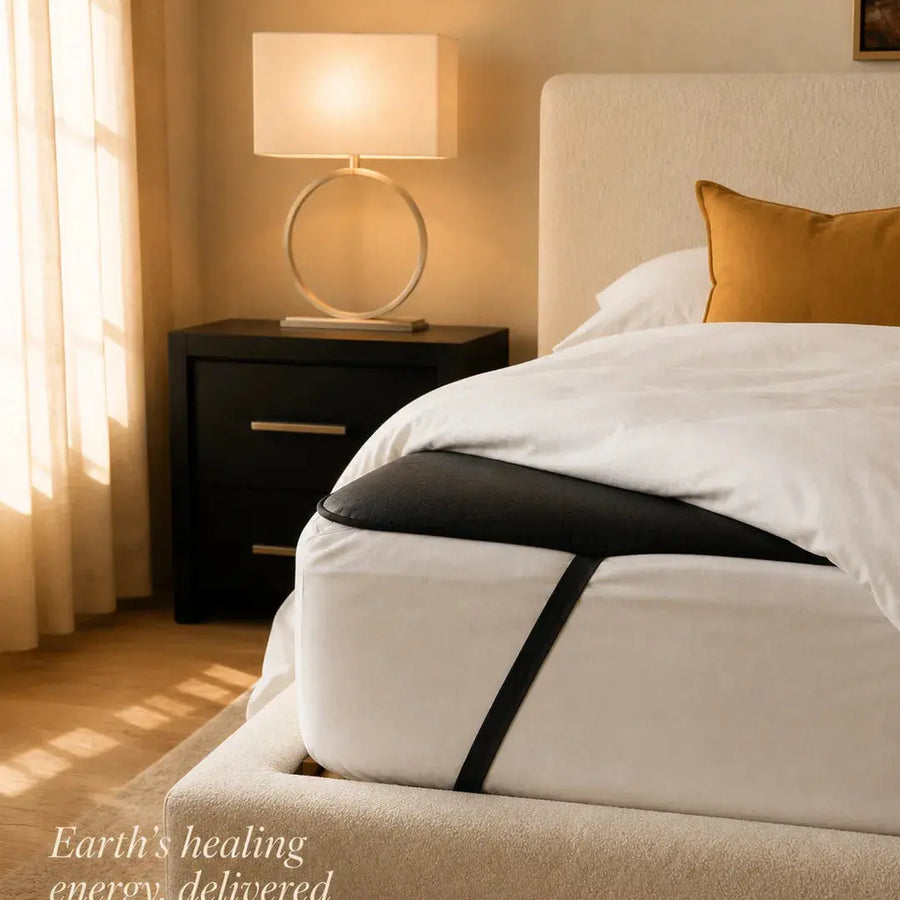
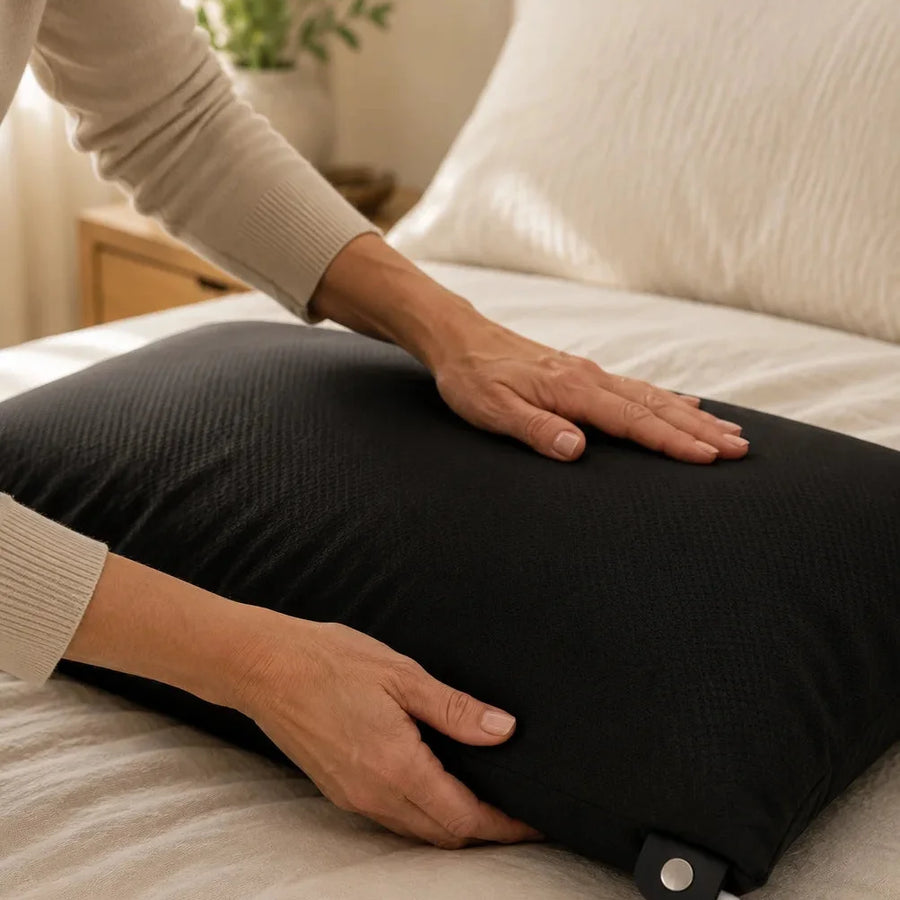
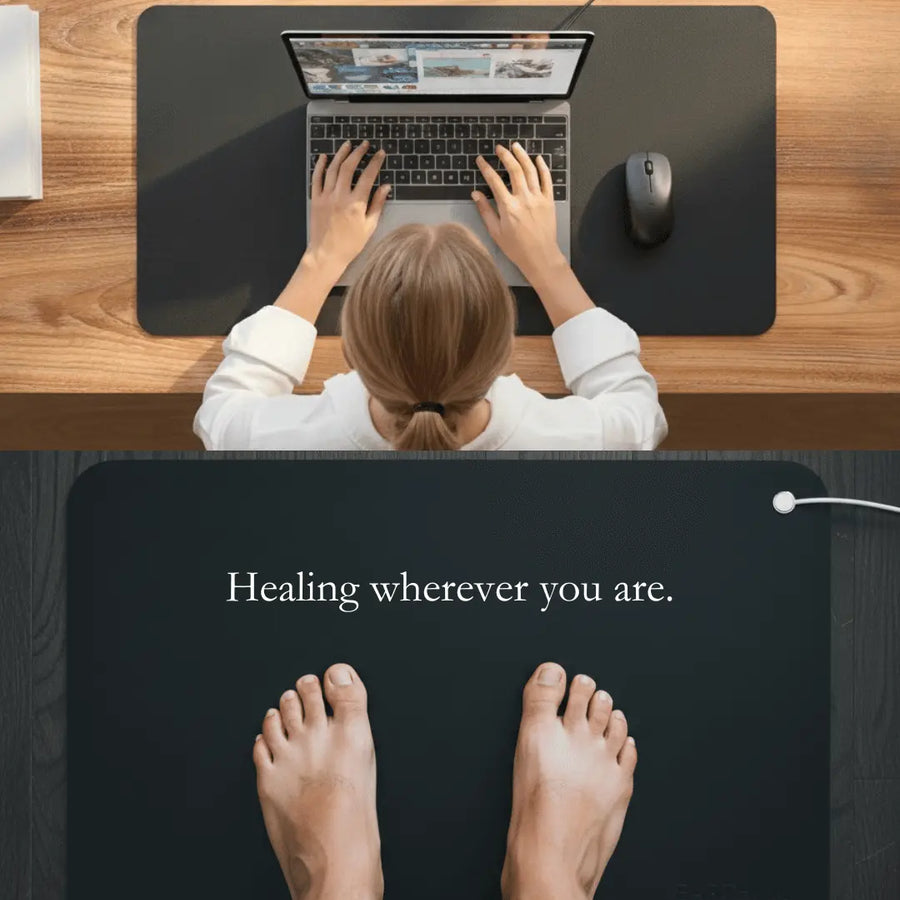
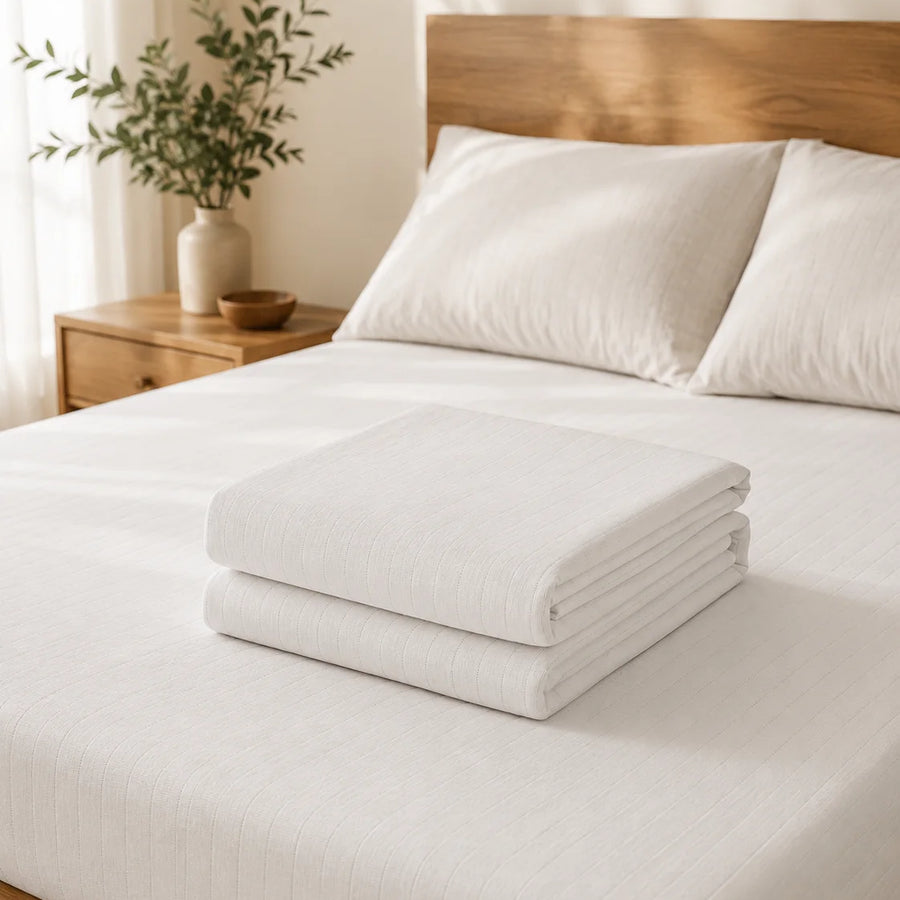
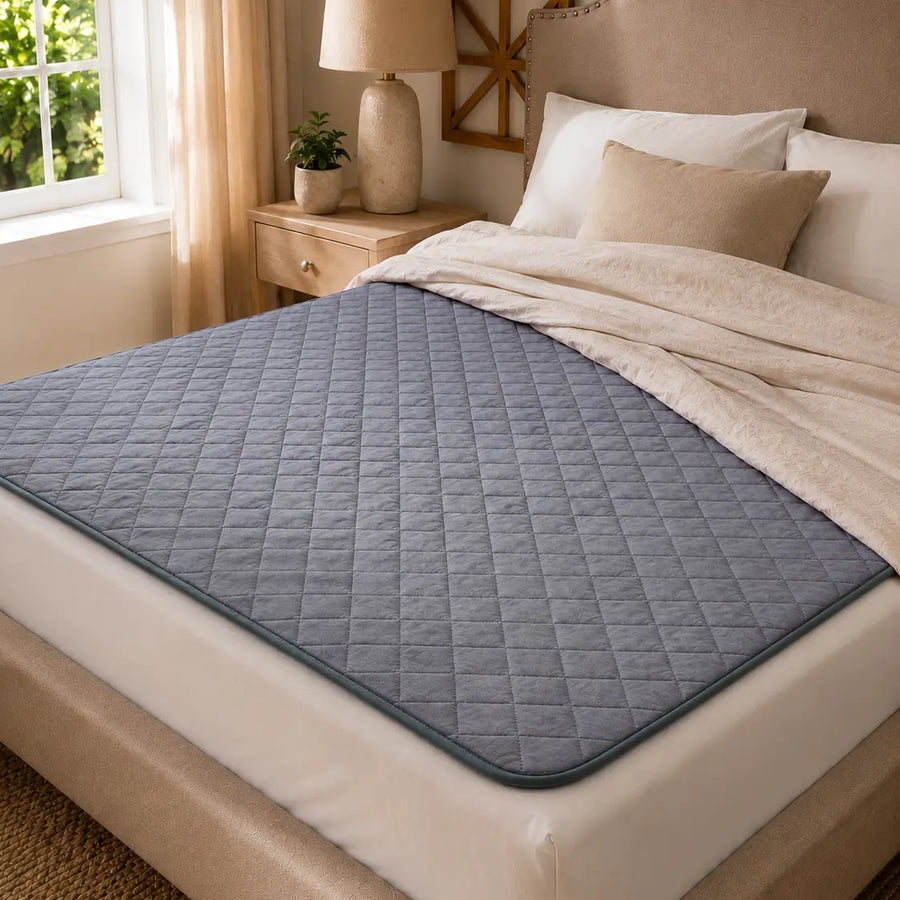
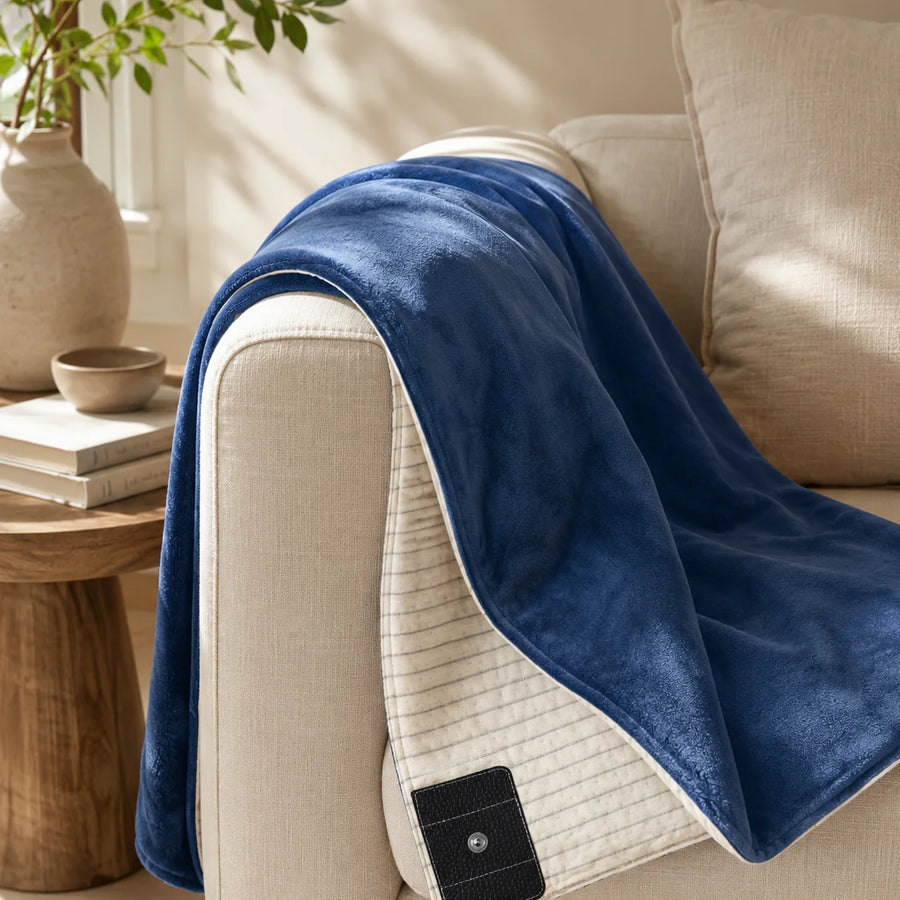
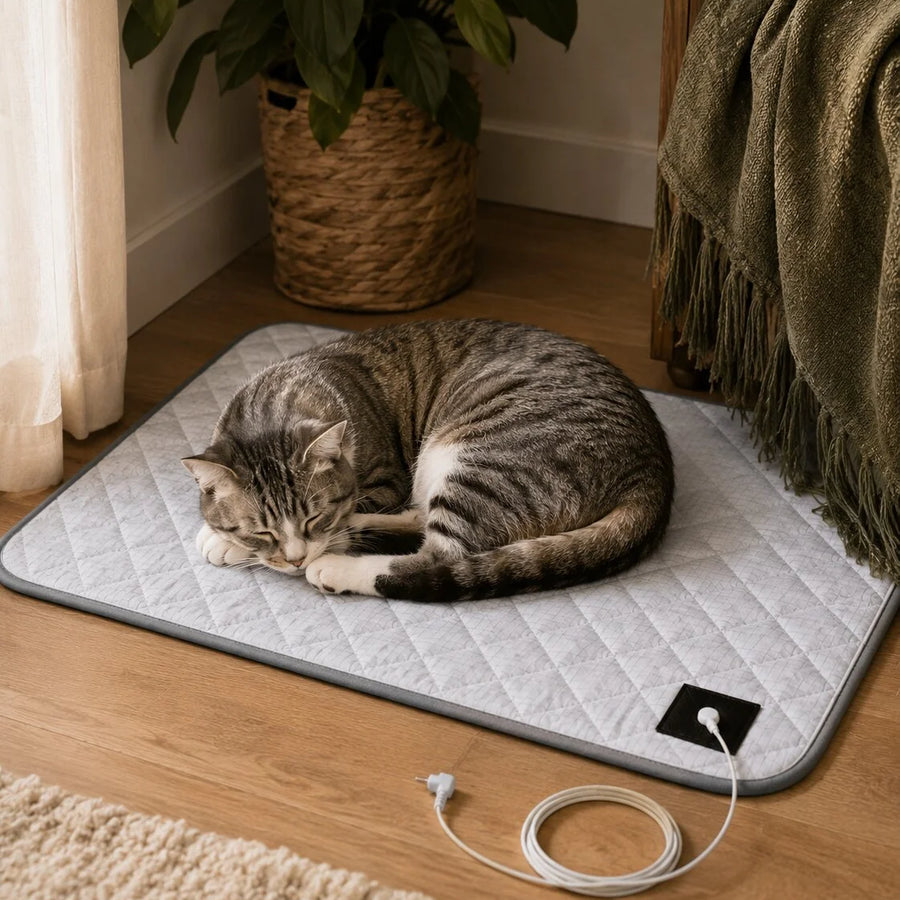
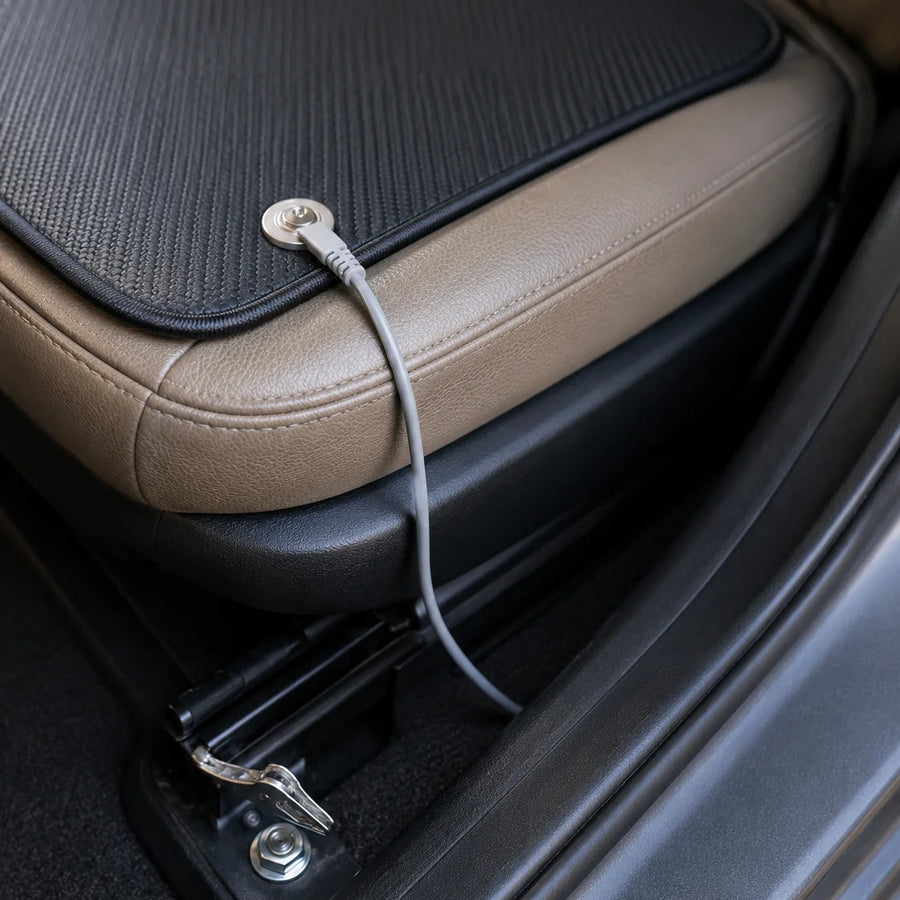
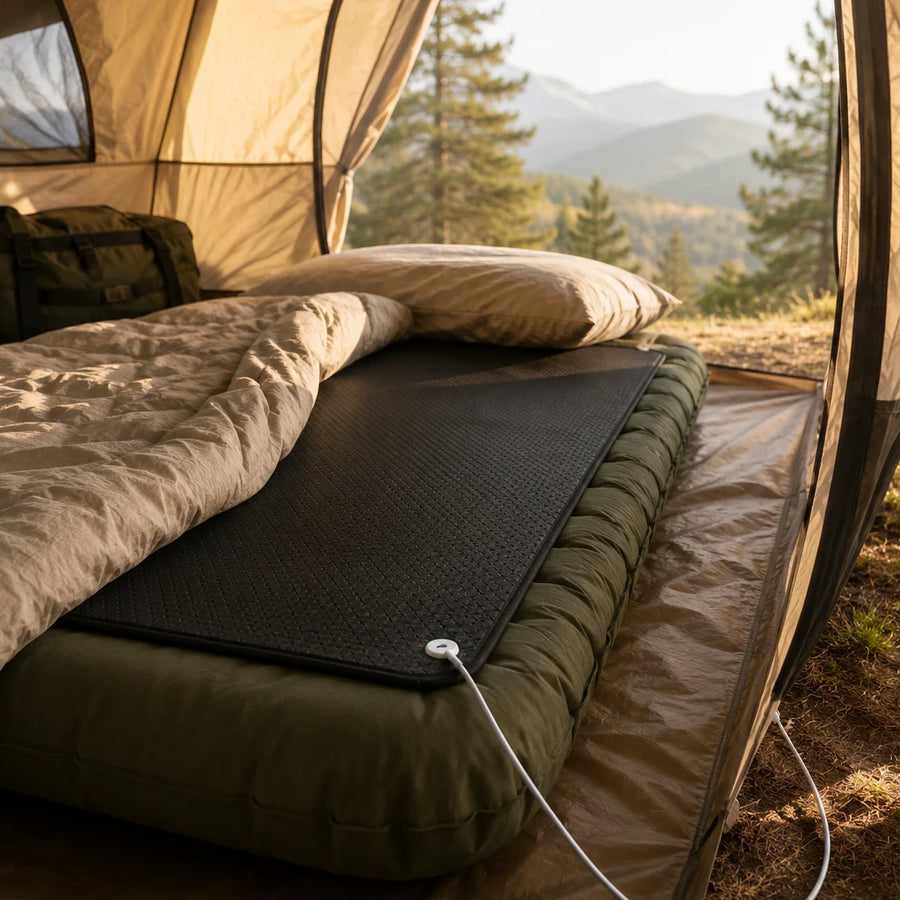
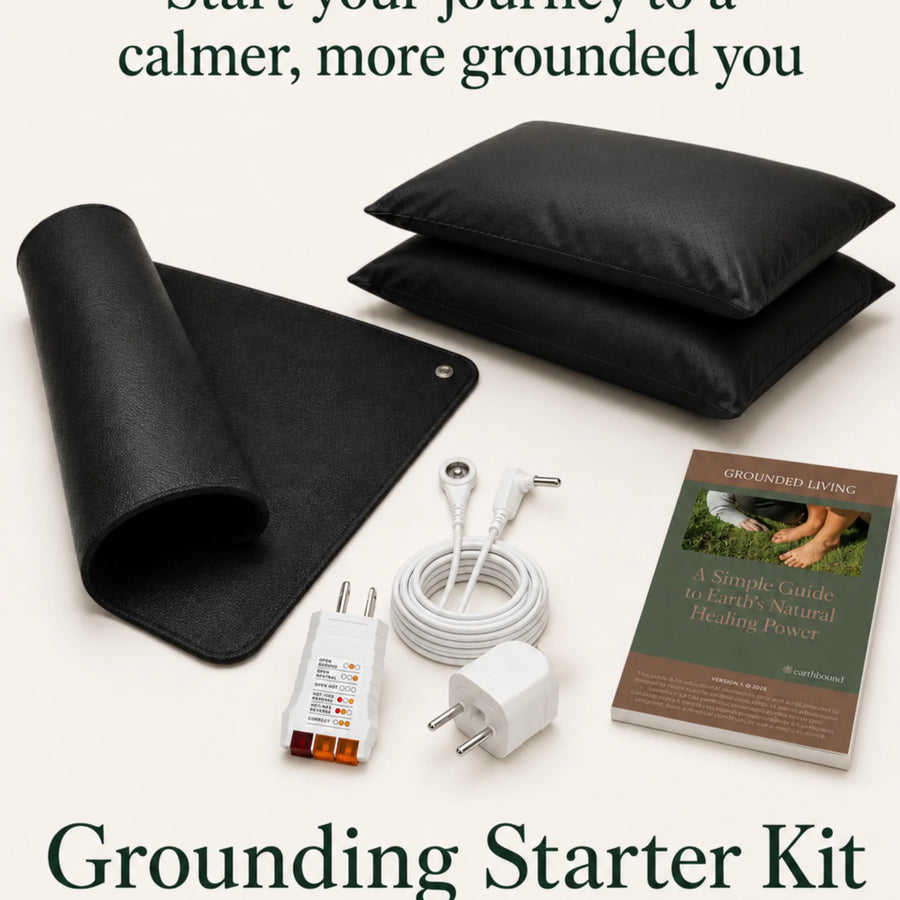
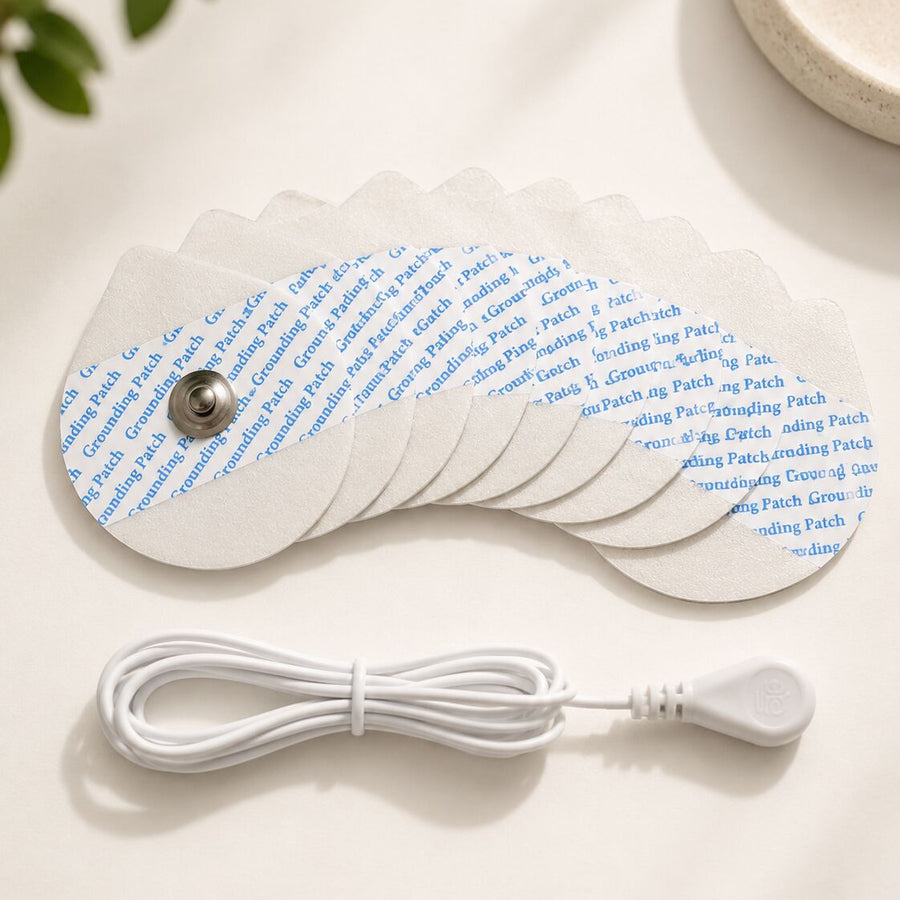
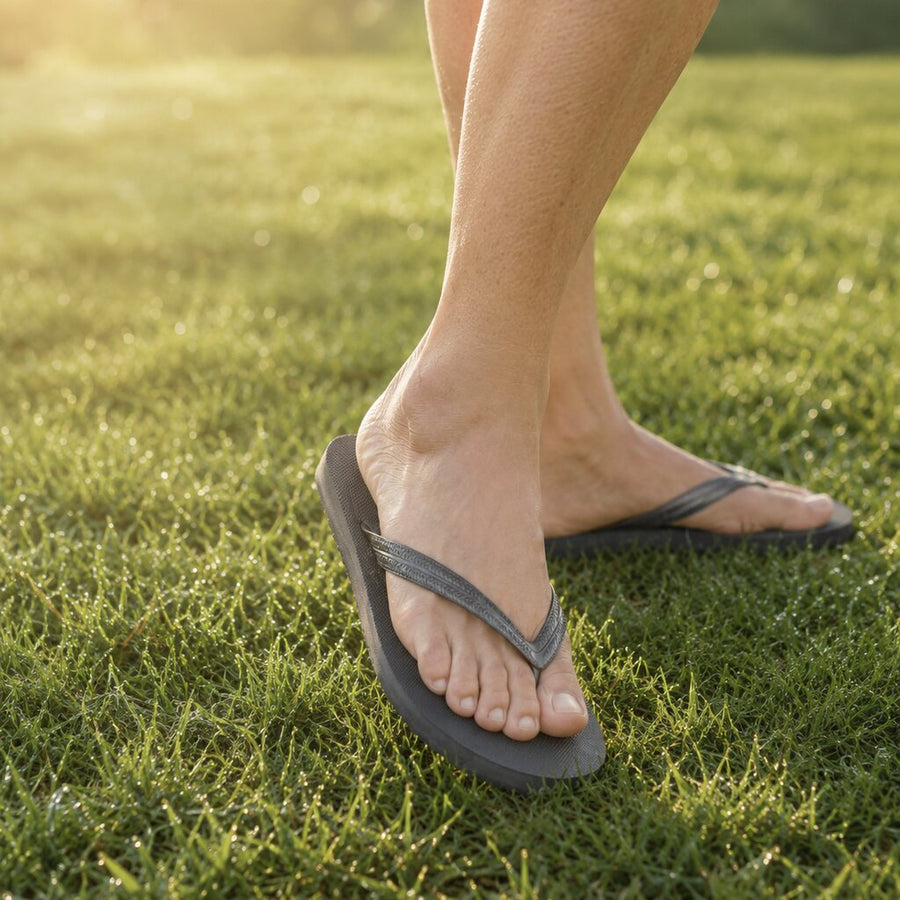
Grounding encourages people to reconnect with natural environments through direct contact with the earth, whether by walking barefoot outdoors, spending more time in nature, or using grounding products designed to replicate that connection indoors.
Grounding isn't a substitute for good sleep hygiene. A dark room, consistent bedtime, regular exercise, and limiting evening screen time remain some of the most important factors for healthy sleep.
But the broader lesson from the rankings is clear. Sleep is influenced by far more than personal discipline alone. The environment we create around ourselves may be just as important as the habits we practice within it.
Methodology
Earthbound analyzed state-level data on the percentage of adults reporting fewer than seven hours of sleep per night using data from American Health Rankings.
To explore potential drivers of sleep deprivation, we created a Sleep Disruptor Score using multiple factors commonly associated with poor sleep, including physical inactivity, average commute times, light pollution, and air pollution. Data was sourced from American Health Rankings, US Data Explorer, EPA Air Quality Data, and NASA Black Marble / VIIRS night-time light data.
States were then ranked from most to least sleep-deprived based on the percentage of adults reporting insufficient sleep. Additional analysis was conducted to identify relationships between sleep deprivation and each of the factors included in the Sleep Disruptor Score.