



Reviewed for accuracy: July 2026. This article reviews published grounding research for general educational purposes. It is not medical advice, and grounding products are not intended to replace professional medical care.
Grounding—also known as earthing—is the practice of electrically connecting the body to the earth through direct contact with natural ground or a conductive product connected to a proper grounding source.
The physical effect is immediate and measurable: when the body is conductively connected to the earth, its electrical potential moves toward the earth’s potential. Researchers have explored whether maintaining that connection may also support sleep, nervous-system balance, circulation, recovery, inflammation regulation, and overall well-being.
The research is still developing, but its findings are encouraging. Across multiple studies, investigators have reported measurable changes in cortisol rhythm, heart-rate variability, red-blood-cell behavior, inflammatory markers, thermal imaging, muscle soreness, and subjective sleep quality.
Below is a clear review of what has been studied, what researchers observed, and what those findings may mean for people considering grounding as part of a daily wellness routine.
How grounding works
The earth’s surface carries an abundant supply of mobile electrons. The human body is conductive, which means direct contact with the earth allows the body to equalize electrically with the ground.
This can be demonstrated with a body-voltage measurement. A person who is electrically isolated from the earth may register induced voltage from nearby wiring and electronics. Once grounded, that voltage typically drops immediately toward zero.
Researchers have proposed that this electrical connection may affect physiological processes involving oxidative stress, inflammation, circulation, nervous-system activity, and recovery. One leading hypothesis, described by Chevalier and colleagues in the Journal of Environmental and Public Health in 2012, is that electrons from the earth may help neutralize reactive oxygen species involved in oxidative stress.
The exact biological pathways continue to be investigated, but the foundation is clear: grounding produces a real and measurable change in the body’s electrical state.
Grounding and sleep quality
Sleep is one of the most frequently studied and commonly reported areas of benefit.
In a foundational study published by Ghaly and Teplitz in the Journal of Alternative and Complementary Medicine in 2004, adults with sleep complaints slept grounded for eight weeks. Researchers measured nighttime cortisol patterns and collected reports related to sleep, discomfort, and morning fatigue.
Participants experienced improvements in nighttime cortisol rhythm, and many reported:
- Falling asleep more easily
- Waking less frequently during the night
- Feeling less tired in the morning
- Experiencing less nighttime discomfort
- Feeling more rested after sleep
Cortisol follows a natural daily rhythm that is closely connected to stress regulation, alertness, and sleep. The observed changes suggest that consistent overnight grounding may help support a healthier sleep-wake pattern.
Because the study involved continuous nighttime grounding over several weeks, it also reinforces an important practical point: consistent exposure is likely more meaningful than occasional short sessions.
Grounding and the body’s inflammatory response
Grounding has also been studied in relation to inflammation, physical discomfort, and tissue recovery.
A 2015 review by Oschman, Chevalier, and Brown in the Journal of Inflammation Research examined findings from grounding studies involving inflammatory markers, pain, immune activity, and medical infrared imaging.
The review described several observations consistent with a healthier inflammatory response, including:
- Changes in inflammatory markers
- Reduced reports of physical discomfort
- Visible thermal changes in areas of the body experiencing irritation or injury
- Differences in recovery patterns following physical stress
Thermal imaging is particularly interesting because it provides a visible, objective way to observe changes in heat patterns associated with circulation and inflammation.
Researchers have proposed that grounding may influence how the body manages oxidative stress and the inflammatory response after injury, exercise, or daily physical strain.
Grounding and circulation
One of the most notable objective findings in grounding research involves red blood cells and blood viscosity.
In a 2013 study by Chevalier, Sinatra, and colleagues, ten participants were grounded for two hours while researchers measured red-blood-cell zeta potential.
Zeta potential refers to the electrical charge surrounding red blood cells. A stronger negative surface charge helps the cells repel one another rather than clustering together.
After grounding, researchers observed a substantial increase in zeta potential and a corresponding reduction in blood aggregation. In practical terms, the red blood cells demonstrated a greater tendency to remain separated and move freely.
Related research by Sokal and Sokal also reported changes in blood chemistry and physiological measurements following contact with the earth.
These findings suggest that grounding may support healthy circulation by influencing the electrical properties of the blood.
Grounding and exercise recovery
Grounding may also support the body’s recovery after demanding exercise.
In a 2010 pilot study by Brown, Chevalier, and Hill, participants completed an eccentric exercise protocol designed to produce delayed-onset muscle soreness. Some participants recovered while grounded, while others did not.
The grounded group demonstrated differences in several blood measurements associated with muscle stress and reported less soreness during the recovery period.
Additional research involving athletes has explored grounding in relation to sleep, heart-rate variability, inflammation, and recovery after physical exertion.
For active individuals, grounding offers an especially practical benefit: it can be used passively while sleeping, working, or resting. There is no additional exercise, supplement schedule, or complicated recovery protocol required.
People who track their workouts, resting heart rate, sleep quality, or HRV can use those measurements to evaluate their own response. Our N-of-1 grounding protocol provides a structured method for comparing your baseline with several weeks of consistent grounding.
Grounding, stress, and nervous-system balance
Many people describe grounding as calming, relaxing, or centering. Research involving autonomic nervous-system activity offers a possible explanation for those experiences.
The autonomic nervous system includes two major branches:
- The sympathetic system, associated with alertness and the body’s stress response
- The parasympathetic system, associated with rest, digestion, recovery, and relaxation
Studies involving heart-rate variability and autonomic measurements have reported changes consistent with increased parasympathetic activity during grounding.
Researchers have also documented improvements in self-reported mood, stress, and relaxation following grounding sessions.
Together, these findings suggest that grounding may help the body transition from a heightened stress state into a calmer, more recovery-oriented state.
Why consistent contact matters
The studies cited above used grounding periods ranging from approximately two hours to continuous overnight use over several weeks.
This suggests that total contact time and consistency are important. A few minutes outdoors can be restorative, but longer and more regular exposure may provide a better opportunity to experience measurable changes.
Practical ways to increase grounding time include:
- Walking barefoot on grass, soil, or sand
- Using a grounding mat while working or relaxing
- Using a grounding mattress pad while sleeping
- Stretching or meditating in direct contact with a grounding surface
- Combining daytime grounding with grounded sleep
Because sleep provides six to eight uninterrupted hours of contact, overnight grounding is one of the easiest ways to establish a consistent routine.
How to evaluate grounding for yourself
Grounding is measurable, non-invasive, and easy to incorporate into daily life. It can also be evaluated using outcomes that are personally meaningful to you.
Before starting, record a baseline for one or two weeks. Track areas such as:
- How long it takes you to fall asleep
- How often you wake during the night
- How rested you feel in the morning
- Morning stiffness or physical discomfort
- Workout soreness and recovery time
- Resting heart rate or heart-rate variability
- Daytime stress and evening relaxation
Then begin grounding consistently and continue for four to eight weeks. Keep the rest of your routine as stable as reasonably possible and compare your experience with your baseline.
Some people notice relaxation or sleep changes quickly. Other benefits may become clearer only after several weeks of regular use.
The purpose of a personal trial is not to replace published research. It is to determine how your own body responds to a measurable wellness practice.
A practical way to begin grounding
You can experience direct grounding without purchasing a product. Bare skin in contact with grass, soil, sand, or untreated concrete provides a natural connection to the earth.
Grounding products make that connection easier to maintain indoors, during cold weather, while working, and throughout the night.
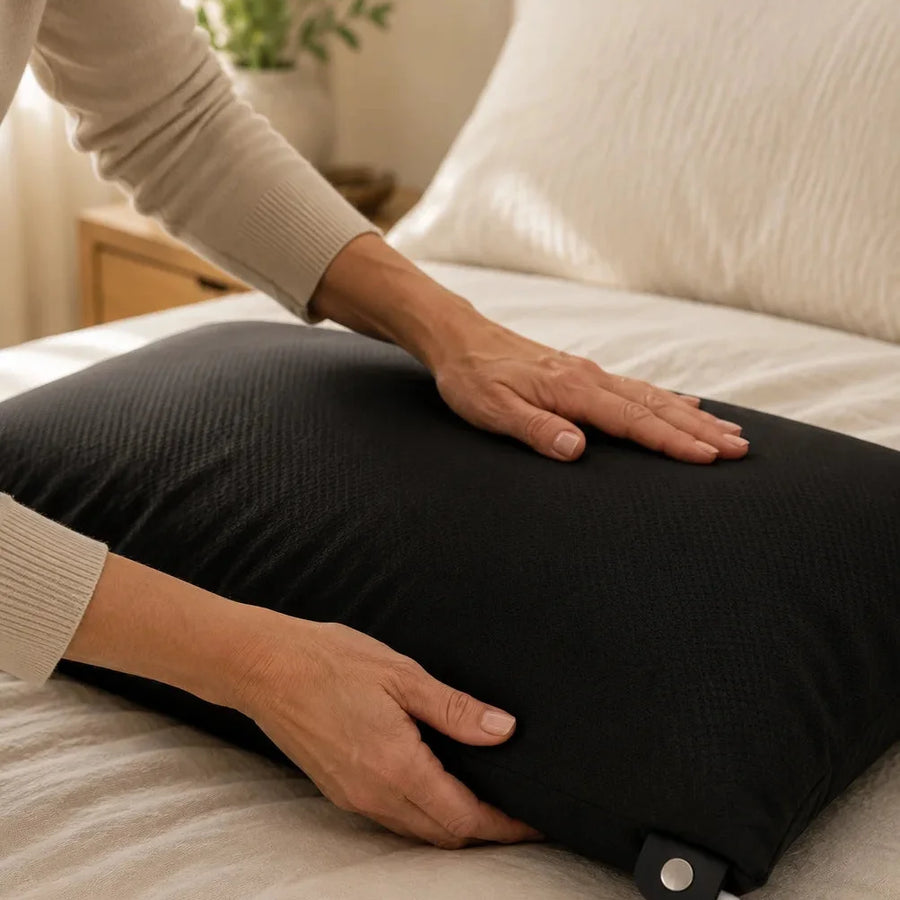
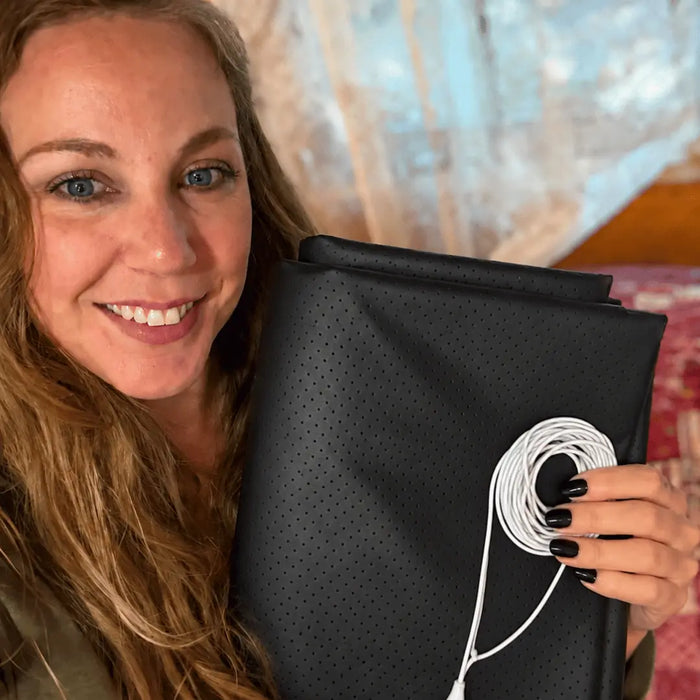
For sleep, the Earthbound Grounding Mattress Pad provides continuous contact while you rest. For desk work, relaxation, stretching, or daytime use, the Earthbound Grounding Mat offers a flexible and portable option.
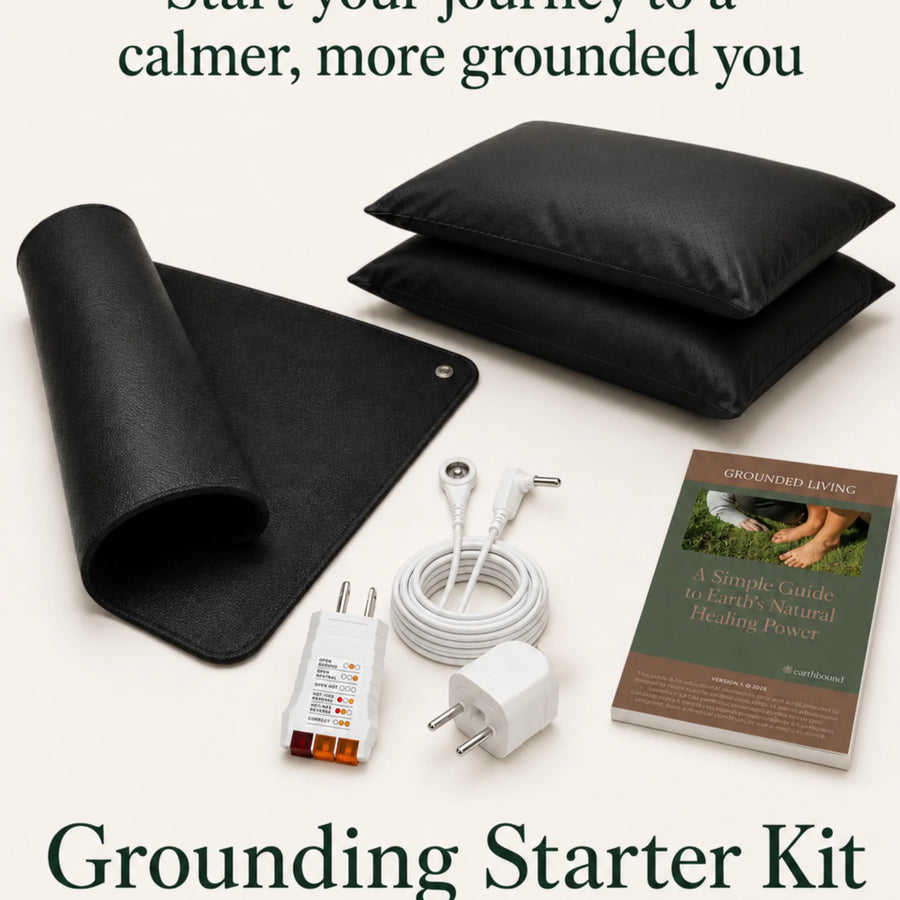
Every Earthbound system includes testing tools so you can verify the outlet, confirm the product’s conductivity, and begin with confidence.
Choose the grounding routine that fits your day
For sleep: Use the Grounding Mattress Pad for several hours of uninterrupted contact each night.
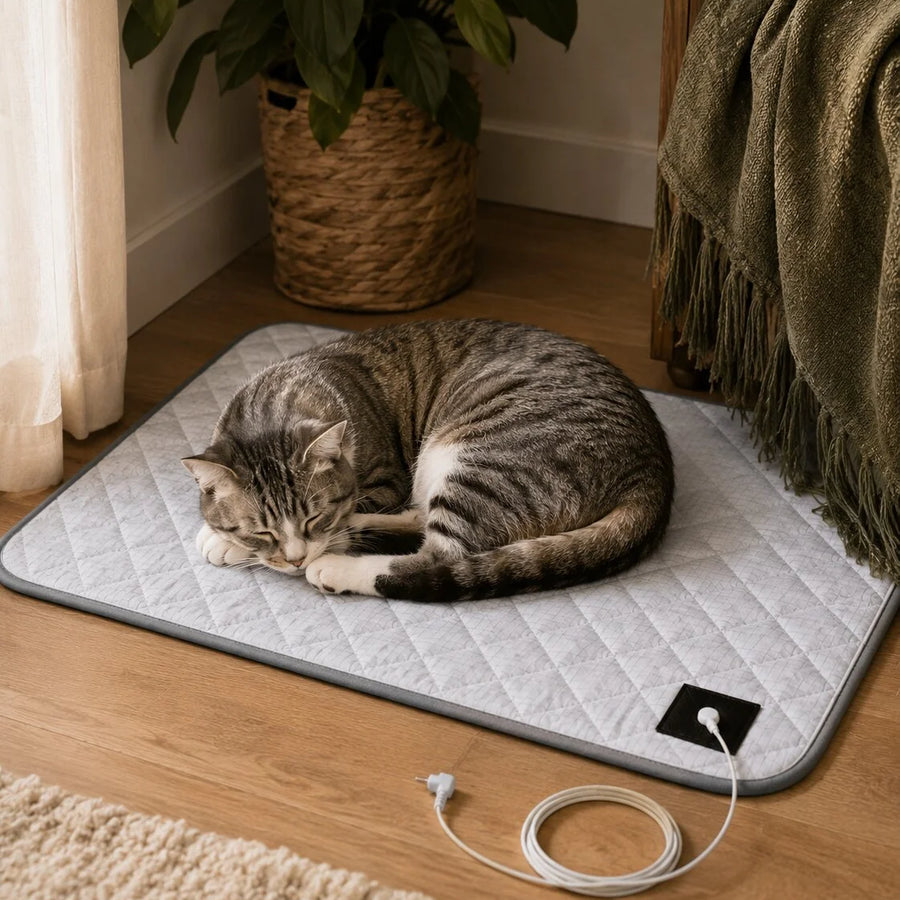
For daytime use: Use the Grounding Mat beneath your feet or hands while working, reading, stretching, or relaxing.
Each product includes testing tools and is backed by a 90-night trial and lifetime warranty, giving you enough time to use grounding consistently and evaluate your experience.
Frequently asked questions
What are the main benefits of grounding?
Published grounding studies have reported encouraging findings involving sleep quality, nighttime cortisol rhythm, stress, nervous-system balance, circulation, inflammatory markers, physical discomfort, and exercise recovery.
Many users also report feeling calmer, sleeping more deeply, waking with less stiffness, and recovering more comfortably after physical activity.
Does grounding really work?
Yes, grounding’s electrical effect is real and measurable. When the body is connected to the earth, body voltage drops and the body moves toward earth potential.
Research has also documented physiological changes involving cortisol, heart-rate variability, red-blood-cell properties, inflammatory measurements, thermal imaging, and muscle recovery.
How long does grounding take to work?
The electrical effect occurs within seconds of making contact with a properly grounded surface.
Some people report feeling calmer or sleeping differently within the first few sessions. Changes involving sleep consistency, morning comfort, stress, or recovery may become more noticeable after several weeks of regular grounding.
A four- to eight-week trial provides a more meaningful evaluation than using a grounding product for only a few nights.
Is grounding just a placebo?
Grounding has produced objective changes that are not based solely on self-reported experiences. Researchers have measured changes involving cortisol, body voltage, red-blood-cell zeta potential, heart-rate variability, blood markers, and thermal imaging.
Subjective experiences such as improved sleep or reduced soreness can be influenced by many factors, but the objective measurements indicate that grounding creates real physiological effects worthy of continued research.
Is grounding safe?
Grounding is generally considered a low-risk, non-invasive wellness practice when a properly designed product is connected to a correctly grounded outlet.
Quality grounding cords connect only to the outlet’s ground port and include an inline safety resistor. Always test the outlet and follow the product instructions before use.
Anyone with an implanted electronic medical device or questions related to a medical condition should consult a qualified healthcare professional.
Do I need a grounding product?
No. Direct bare-skin contact with grass, soil, sand, or another conductive natural surface is the original form of grounding.
Grounding products make it easier to remain connected indoors, while working, during winter, and throughout the night.
What is the best grounding product to start with?
For the greatest amount of uninterrupted daily contact, a grounding mattress pad is generally the most practical starting point because it allows you to remain grounded throughout sleep.
A grounding mat is ideal for daytime use beneath your feet or hands while working, reading, meditating, stretching, or relaxing.
References: Ghaly & Teplitz 2004; Brown, Chevalier & Hill 2010; Sokal & Sokal 2011; Chevalier 2011; Chevalier et al. 2012; Chevalier, Sinatra et al. 2013; Oschman, Chevalier & Brown 2015; Passi et al. 2017. Grounding products are intended to support general wellness and are not intended to diagnose, treat, cure, or prevent any disease.