

Carbon Fiber vs Silver Thread vs Stainless Steel: Which Grounding Material Lasts Best?
Last fact-checked: July 15, 2026
Disclosure: This guide is published by Earthbound. We use carbon-conductive materials in our flagship grounding products because they offer the durability and low-maintenance experience we wanted for our own customers. We also sell silver-thread grounding sheets for sleepers who prefer traditional conductive bedding.
Most grounding products look similar when they are new.
They connect to a grounded outlet, create a conductive surface, and help reconnect your body to the earth while you sleep, work, or relax.
But the material inside that surface determines something far more important:
Will it continue conducting reliably after months and years of real-life use?
That is where carbon fiber, silver thread, and stainless steel begin to separate.
All three can create a grounded surface. The meaningful difference is how they respond to washing, moisture, body oils, repeated movement, and everyday wear.
For most people who want effortless overnight grounding, a durable carbon-conductive mattress pad offers the strongest combination of coverage, convenience, and long-term value.
Our recommended choice for overnight grounding
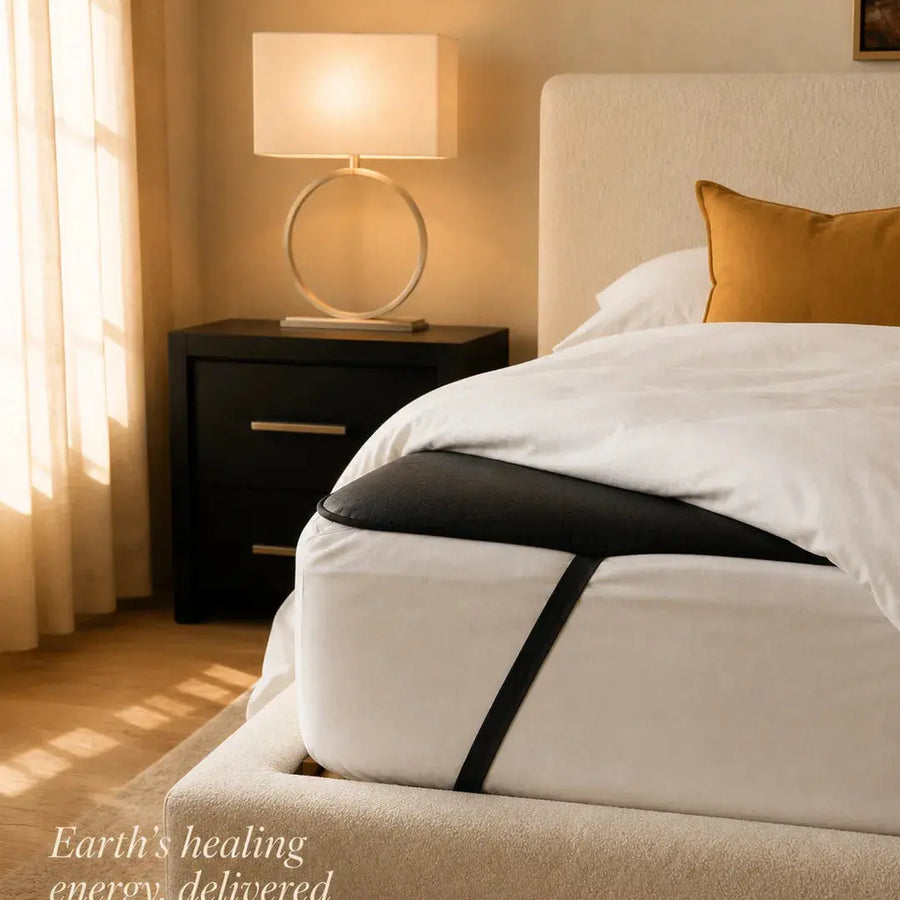
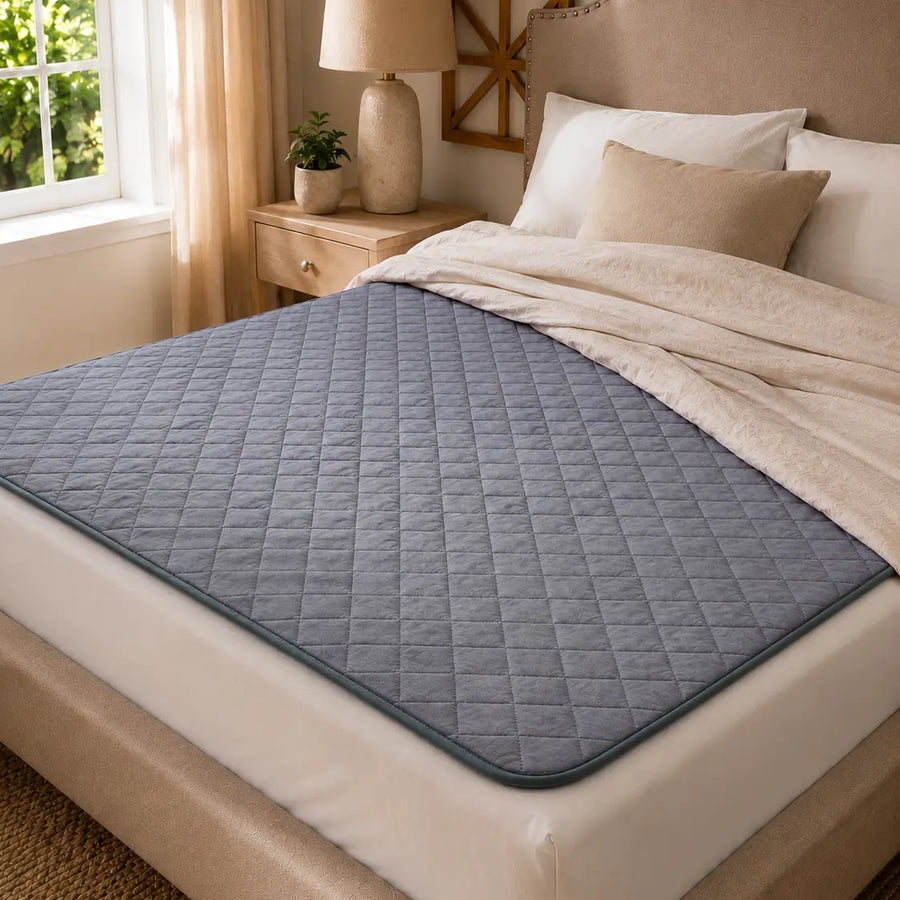
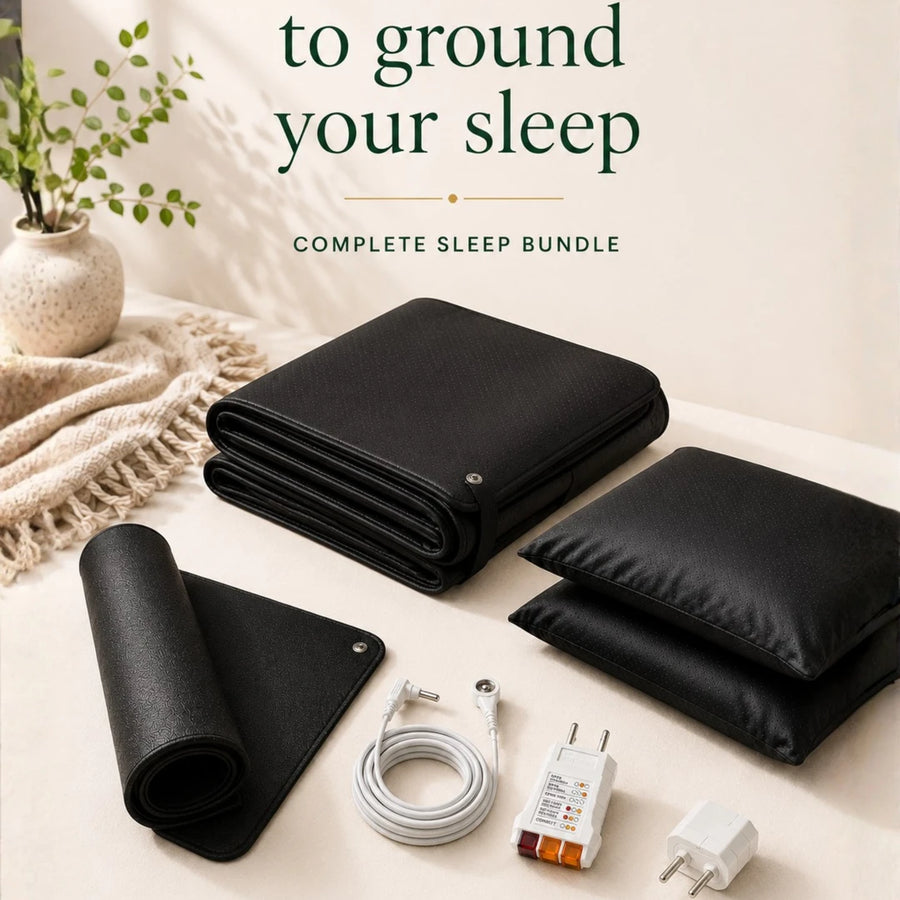
The Earthbound Grounding Mattress Pad uses a durable carbon-conductive surface that stays protected beneath your regular fitted sheet. It never enters the washing machine, works with the bedding you already love, and is backed by a lifetime warranty.
The material inside your grounding product matters
A grounding product needs to maintain a reliable conductive connection between its grounded surface and your body.
That sounds simple, but the product must continue doing it while exposed to:
- Nightly pressure and movement
- Heat and perspiration
- Body oils and lotions
- Repeated folding and stretching
- Detergents and wash cycles
- Years of normal household use
A material that conducts beautifully on the first night may not necessarily be the material that performs best after hundreds of nights.
The strongest product is therefore not simply the one with the highest raw conductivity. It is the one that remains conductive in the format in which it is actually used.
At a glance: carbon fiber vs silver thread vs stainless steel
| Material | Main strength | Main limitation | Best use |
|---|---|---|---|
| Carbon | Does not tarnish and works well in durable, wipe-clean surfaces | Does not feel like traditional cotton bedding | Mattress pads, mats, and long-term daily use |
| Silver thread | Highly conductive and soft when woven into fabric | Requires careful washing and may lose conductivity as fibers wear | Sheets and pillow covers with direct skin contact |
| Stainless steel | More resistant to corrosion than silver | Metal filaments can still experience mechanical wear in fabric | Conductive textiles where durability matters more than softness |
Silver thread: soft, highly conductive, and familiar
Silver became one of the most common materials in grounding sheets for good reasons.
It is an excellent electrical conductor, and very fine silver fibers can be woven into cotton to create bedding that feels soft and familiar against the skin.
For sleepers who want direct contact with a conductive textile, silver-thread sheets can provide a comfortable grounding experience.
The challenge is that silver lives a demanding life when it is woven into bedding.
Silver can tarnish
Silver reacts with sulfur-containing compounds found in the environment. Perspiration, body oils, lotions, air exposure, and residue from certain detergents can all affect a silver-coated textile over time.
This does not normally happen overnight. It is a gradual process, which is why a sheet may continue looking perfectly normal even as conductivity becomes less consistent.
Fine conductive fibers experience physical wear
A grounding sheet must flex, stretch, fold, and move with the body every night.
It must also be washed repeatedly because it is used as exposed bedding.
The cotton surrounding the conductive material and the metal fibers themselves respond differently to bending and laundering. Over time, some conductive fibers may fray, separate, or lose continuity across parts of the sheet.
Silver sheets require more careful laundry habits
To help preserve conductivity, most silver-thread grounding sheets come with specific care instructions:
- Avoid bleach
- Avoid fabric softener
- Avoid dryer sheets
- Avoid whitening and oxygen-based detergents
- Use a mild liquid detergent
- Wash on a gentle cycle
- Use low heat or line drying when recommended
These rules are manageable, but they are less forgiving than the care required for ordinary bedding.
Published information from leading grounding-sheet brands commonly places the expected useful life of silver-thread sheets at approximately two to three years with proper care. Warranty periods also tend to reflect the reality that conductive bedding is a wearing textile.
Our grounding sheets comparison guide reviews those lifespan, care, and warranty statements in more detail.
Stainless steel: more corrosion-resistant, but still woven metal
Stainless steel provides an appealing alternative to silver in conductive textiles.
It is generally more resistant to tarnish and corrosion, making it less vulnerable to some of the chemical changes that can affect silver.
That makes stainless steel a reasonable choice for products that need a metal conductor but may encounter moisture or frequent use.
However, stainless steel does not completely eliminate the challenge of placing metal filaments inside soft fabric.
The conductive threads must still endure:
- Repeated bending
- Stretching
- Friction
- Folding
- Machine washing
- Movement against surrounding fibers
Stainless steel may solve much of silver’s tarnishing concern, but it does not remove the mechanical wear associated with conductive thread woven into bedding.
It can also create a somewhat different texture because steel is stiffer than silver-coated fibers.
For some conductive textile applications, stainless steel is a solid middle ground. For a product intended to remain under the body every night for years, however, a non-laundered carbon surface offers a simpler long-term design.
Carbon: built for durability and everyday use
Carbon behaves differently from both silver and stainless steel.
It does not tarnish like silver, and it does not depend on delicate metal threads being woven through cotton.
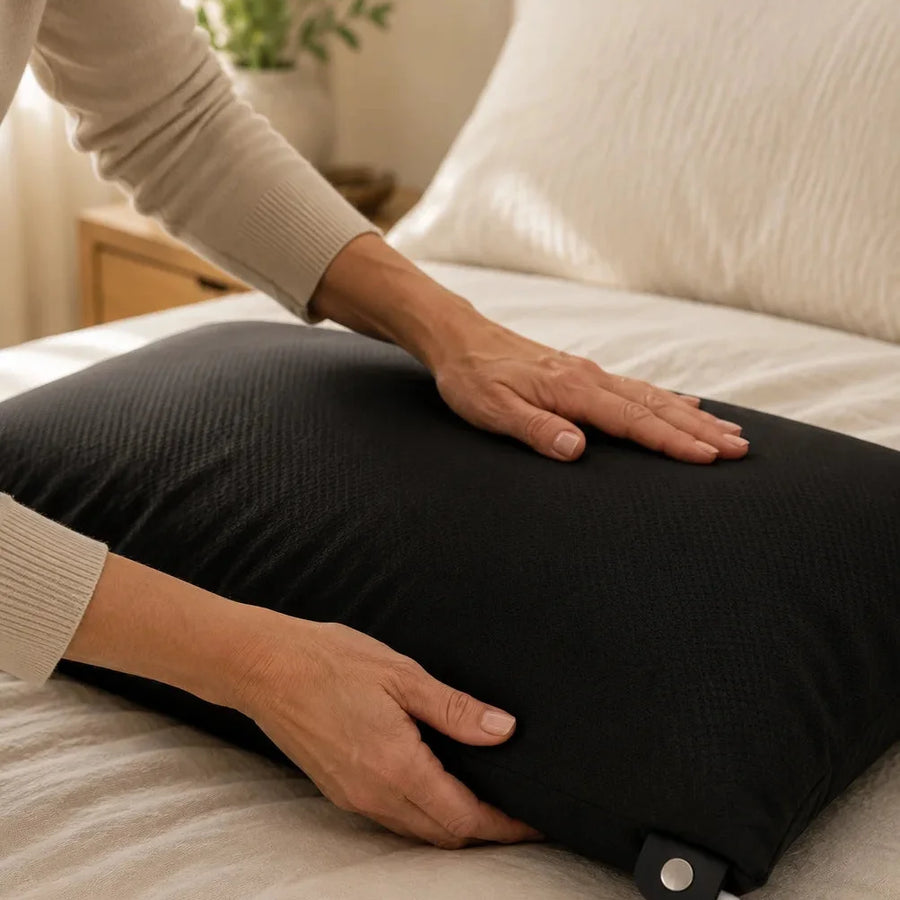
In Earthbound’s flagship products, conductive carbon is incorporated into a durable surface designed to remain stable through repeated nightly use.
The Earthbound Grounding Mattress Pad then adds an important design advantage: it sits beneath your regular fitted sheet.
That means the conductive layer is protected from the washing machine entirely.
No conductive layer to machine wash
Your normal fitted sheet absorbs the everyday wear, perspiration, and laundry cycles.
The grounding pad remains beneath it and can be maintained with occasional wipe-clean care.
This removes two of the biggest challenges facing conductive sheets:
- Chemical exposure from repeated laundering
- Mechanical abrasion during wash and dry cycles
You do not have to remember a special detergent list or worry that one accidental wash with fabric softener has affected the product.
No silver to tarnish
Carbon does not rely on a thin silver coating that may react with air, sweat, or household products.
That makes it especially well suited to a product intended to stay in place and be used night after night.
Broad overnight coverage
The Earthbound pad creates a large grounded area beneath the sleeper rather than depending on a narrow strip of conductive thread.
Its Near Field™ Earthing design is made for use under a fitted sheet and with normal sleepwear, allowing grounding to fit into your existing sleep routine.
You do not have to sleep directly against an exposed carbon surface or keep one specific patch of skin touching a silver thread all night.
Designed for long-term confidence
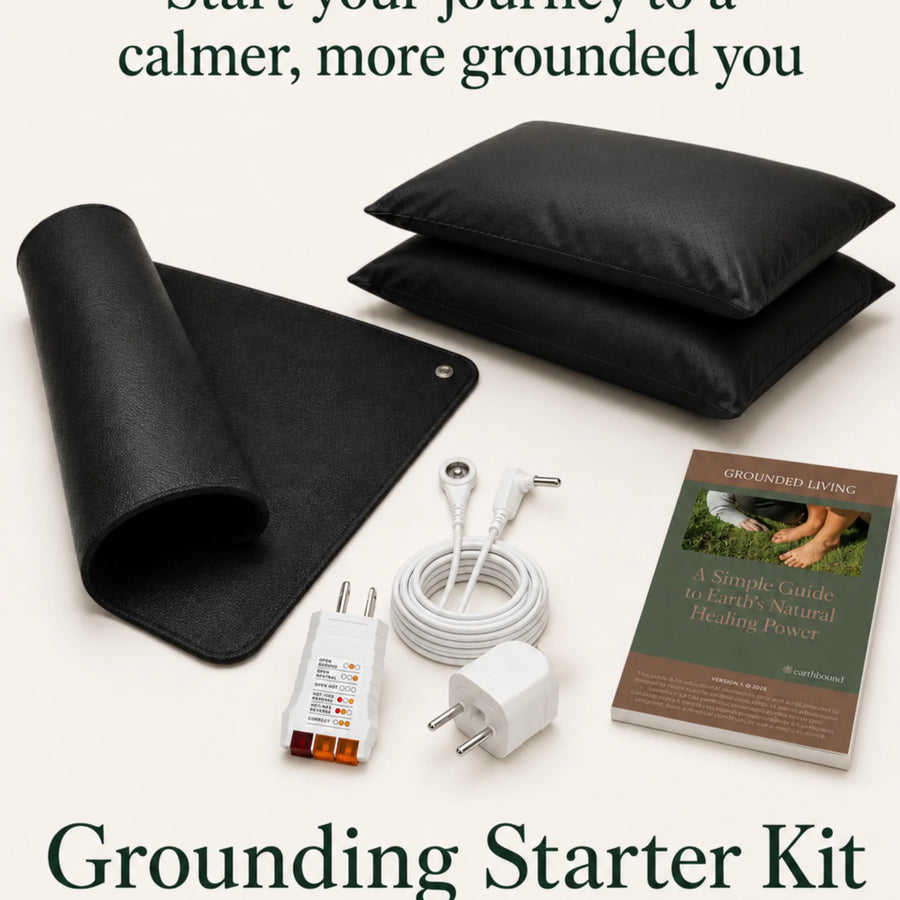
Every Earthbound pad includes the tools needed to verify:
- That the outlet is properly grounded
- That the connection cord is working
- That the pad remains conductive
You can test the product when it arrives, after moving it, or years later.
That combination of durable carbon conductivity, protected under-sheet placement, home testing, and a lifetime warranty is why the mattress pad became the centerpiece of the Earthbound product line.
A grounding system designed to be used—not babied
The Earthbound Grounding Mattress Pad gives you a broad carbon-conductive surface beneath your regular bedding, without silver-thread washing rules or direct-contact requirements.
Set it up once, verify it with the included test kit, and stay grounded throughout the hours your body is already resting.
Why Earthbound moved toward carbon
Earthbound began with traditional grounding sheets.
Customers loved the comfort and many loved the experience of sleeping grounded, but the product format revealed an unavoidable weakness: cotton and fine conductive silver fibers do not age in exactly the same way.
Weekly washing, repeated movement, different material densities, and everyday textile wear could eventually affect conductivity.
The frustration was not that grounding sheets failed immediately. It was that a product could gradually decline while still looking completely normal.
We wanted to build a system customers could install once, use with ordinary bedding, verify themselves, and keep for the long term.
That led to the carbon-conductive mattress pad.
By placing the conductive material beneath the fitted sheet, we could protect it from repeated laundering while giving customers the same valuable opportunity: several uninterrupted hours of grounding during sleep.
The result is a product designed around the way people actually live—not around a delicate care ritual they have to perform perfectly.
Why Earthbound still offers silver-thread sheets
Some sleepers prefer the feel of soft conductive fabric directly against the skin.
For them, a silver-thread fitted sheet remains an appealing choice.
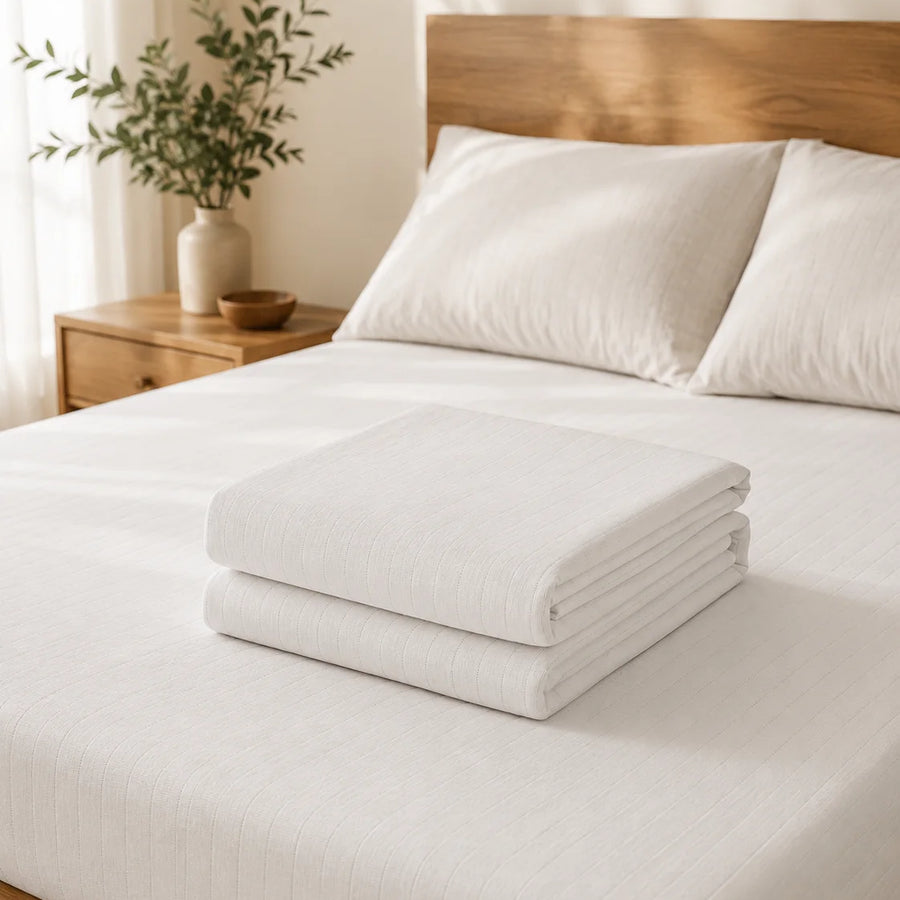
Earthbound’s Grounding Fitted Sheets combine cotton with conductive silver fibers and are available for customers who want the traditional grounding-sheet experience.
They require the same thoughtful fabric care expected of silver-thread products, but they are protected by Earthbound’s lifetime warranty.
That distinction matters.
The material may eventually experience normal textile wear, but the customer is not left paying for the product again simply because the conductive fibers have aged.
Our recommendation is based on preference:
- Choose the carbon mattress pad for durability, low maintenance, normal bedding, and long-term nightly use.
- Choose the silver-thread sheet when soft conductive fabric and direct skin contact matter most to you.
What should you look for before buying a grounding product?
1. Ask what the conductive material actually is
Descriptions such as “conductive fabric” or “advanced grounding technology” do not tell you enough.
The brand should clearly state whether the product uses:
- Carbon
- Silver
- Stainless steel
- Another identified conductive material
Each one has different care requirements and durability characteristics.
2. Find out whether the conductive layer must be washed
This is one of the most important questions in the category.
If the conductive layer is exposed bedding, it will need regular laundering. That introduces detergents, heat, water, friction, and repeated movement.
If the conductive layer remains protected beneath normal bedding, it avoids much of that wear.
3. Read the warranty
A warranty often reveals how much confidence a manufacturer has in the expected service life of its product.
Compare:
- How long the warranty lasts
- Whether loss of conductivity is covered
- Whether normal use exclusions are unusually broad
- Whether replacements are clearly explained
Earthbound protects its grounding mattress pads with a lifetime warranty.
4. Make sure you can test it
A grounding product should not require blind trust.
Every Earthbound mattress pad includes testing tools so you can confirm conductivity at home.
The Earthbound Grounding Test Kit can also be used to check compatible products from other brands.
Testing matters because conductivity loss may not produce a visible change.
5. Choose the format you will use consistently
A technically excellent product is not useful if it makes your routine inconvenient.
Consider whether you want to:
- Sleep directly against conductive fabric
- Keep using your current fitted sheet
- Wear normal pajamas
- Follow specialized washing instructions
- Use the product only in bed or throughout the day
For most sleepers, the easiest product to use consistently is the one that stays beneath normal bedding and requires almost no nightly thought.
Which grounding material is best?
There is no single material that is perfect for every product format.
Silver is exceptionally conductive and works beautifully in soft textiles, but it requires careful maintenance and can experience wear in bedding.
Stainless steel improves corrosion resistance but still relies on metal filaments moving within fabric.
Carbon is particularly well suited to durable pads and mats because it does not tarnish like silver and can be incorporated into surfaces that never need machine washing.
For traditional conductive bedding, silver remains a popular choice.
For long-term, low-maintenance overnight grounding, carbon is the stronger material—and a carbon pad beneath the fitted sheet is the stronger product design.
The Earthbound difference
The Earthbound Grounding Mattress Pad was not designed merely to look conductive on a product page.
It was designed to solve the problems customers encountered with earlier grounding formats:
- No conductive sheet to machine wash
- No silver threads to protect from detergent
- No need to replace your preferred bedding
- No dependence on uninterrupted bare-skin contact
- No uncertainty about whether the product is working
Every system includes the pad, resistor-protected grounding cord, outlet-testing tools, and instructions needed to verify the setup.
It is backed by a 90-night trial, giving you enough time to use grounding consistently rather than judging it after one or two nights.
It is also protected by a lifetime warranty because a long-term wellness practice should not require a repeating replacement cycle.
Choose the grounding material built for the long term
The Earthbound Grounding Mattress Pad combines a durable carbon-conductive surface with under-sheet placement, home testing, a 90-night trial, and lifetime protection.
Keep your normal bedding. Wear your usual sleepwear. Let grounding work quietly in the background while you rest.
Frequently asked questions
Is carbon fiber or silver better for grounding?
Both can create a conductive grounded surface.
Silver is especially well suited to soft conductive fabric, while carbon is better suited to durable pads and mats that do not require machine washing.
For long-term overnight use with minimal maintenance, a carbon-conductive mattress pad is generally the more practical choice.
Why does Earthbound use carbon in its mattress pad?
Carbon does not tarnish like silver and can be incorporated into a durable surface that remains protected beneath a fitted sheet.
This avoids repeated exposure to detergent, heat, and wash-cycle abrasion while allowing the pad to remain in place for nightly use.
Do silver grounding sheets stop working?
Silver-thread sheets can gradually lose conductivity as fine fibers experience tarnishing, friction, stretching, and repeated laundering.
The change may not be visible, which is why conductivity should be tested periodically.
How long do silver grounding sheets last?
Published guidance from leading grounding-sheet brands commonly places their useful life at approximately two to three years with proper care.
The actual lifespan depends on washing habits, detergent, frequency of use, perspiration, body products, and the construction of the sheet.
Is stainless steel better than silver in grounding fabric?
Stainless steel is more resistant to corrosion and tarnishing than silver.
However, it still uses metal filaments woven into soft fabric, so repeated movement and laundering can create mechanical wear over time.
Does a carbon grounding mattress pad need direct skin contact?
The Earthbound Grounding Mattress Pad is designed to sit beneath a fitted sheet and work through its broad Near Field™ Earthing surface.
You can use normal bedding and sleepwear without lying directly on the carbon material.
Does the Earthbound mattress pad need to be washed?
No. It remains beneath your regular fitted sheet and should not be placed in a washing machine.
Disconnect the cord and wipe the pad with a damp cloth when cleaning is needed. Your normal fitted sheet continues to handle the regular laundry.
How can I tell whether a grounding product is still conductive?
First confirm that the outlet has a working ground connection. Then use a continuity or conductivity tester between the product’s connection point and its conductive surface.
Every Earthbound mattress pad includes the tools required to verify the setup.
Can I test a grounding product from another brand?
Yes. The Earthbound Grounding Test Kit can be used to check the outlet and test compatible conductive grounding surfaces from other brands.
Should I choose an Earthbound grounding pad or grounding sheet?
Choose the Grounding Mattress Pad when you want low maintenance, normal bedding, broad overnight coverage, and a protected carbon-conductive surface.
Choose an Earthbound Grounding Fitted Sheet when you prefer soft conductive fabric directly against the skin and are comfortable following silver-thread care instructions.
Competitor lifespan, warranty, and care statements discussed in this article were drawn from those brands’ published materials and reviewed on July 15, 2026. Additional brand-by-brand details are available in the linked Earthbound comparison guides. Earthbound product details were current as of the same date. Grounding products are intended to support general wellness and are not intended to diagnose, treat, cure, or prevent disease.