



Reviewed for accuracy: July 2026. This article provides general wellness information and is not medical advice. New, severe, or persistent symptoms should always be discussed with a qualified healthcare professional.
Most people begin grounding without any noticeable discomfort. They simply connect their product, continue their normal routine, and gradually evaluate changes in sleep, relaxation, recovery, or morning comfort.
A smaller number of new users say they feel temporarily different during their first few days of grounding. Commonly described experiences include mild tiredness, vivid dreams, a temporary headache, deeper sleep, or feeling unusually relaxed.
These experiences are sometimes called “earthing detox symptoms.” That phrase is widely used online, but it is not a medical diagnosis and should not be interpreted as evidence that the body is releasing toxins.
A more useful way to think about it is this: beginning any new sleep or wellness routine can create a brief adjustment period. If the sensations are mild and short-lived, a few simple changes can make the transition more comfortable while you continue evaluating grounding for yourself.
Can grounding make you feel different at first?
Some people report noticing changes during their first several nights or sessions of grounding. These may include:
- Sleeping more deeply than usual
- Having more vivid or memorable dreams
- Feeling unusually relaxed or sleepy
- Temporary fatigue
- A mild headache
- Greater awareness of normal bodily sensations
When reported, these experiences are generally described as mild and temporary. Many users experience no adjustment sensations at all.
Grounding produces an immediate and measurable electrical change: while connected, the body moves toward the earth’s electrical potential. Research has also explored grounding in relation to cortisol rhythm, nervous-system balance, circulation, inflammation, sleep, and recovery.
Because the research has not identified a defined “detox phase,” it is more accurate to describe early sensations as individual adjustment experiences rather than proof that toxins are leaving the body.
Why might someone feel different?
A change in sleep depth or routine
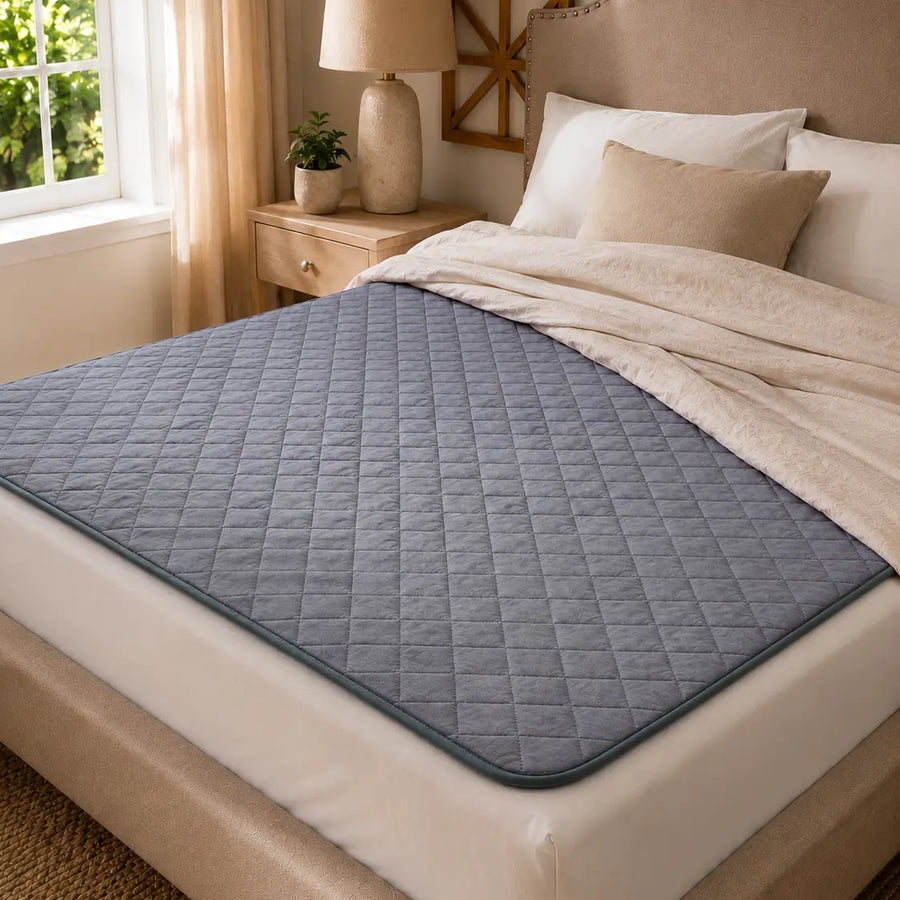
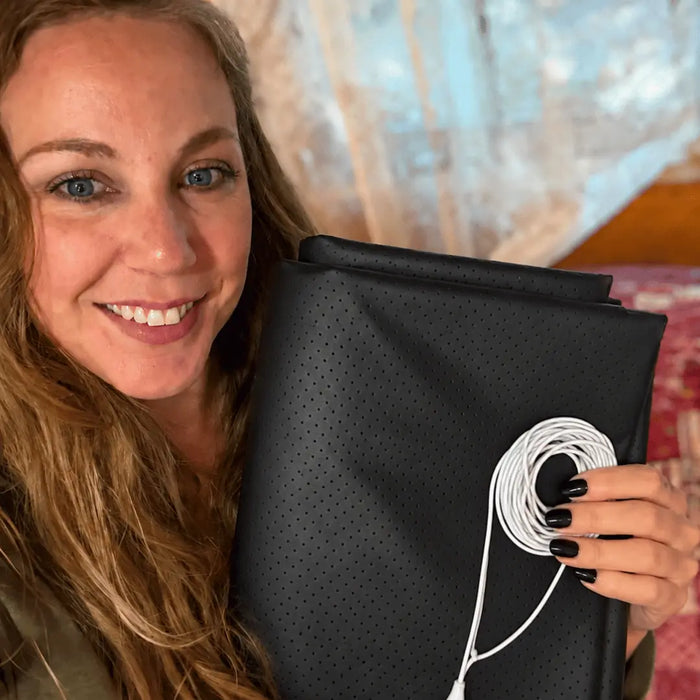
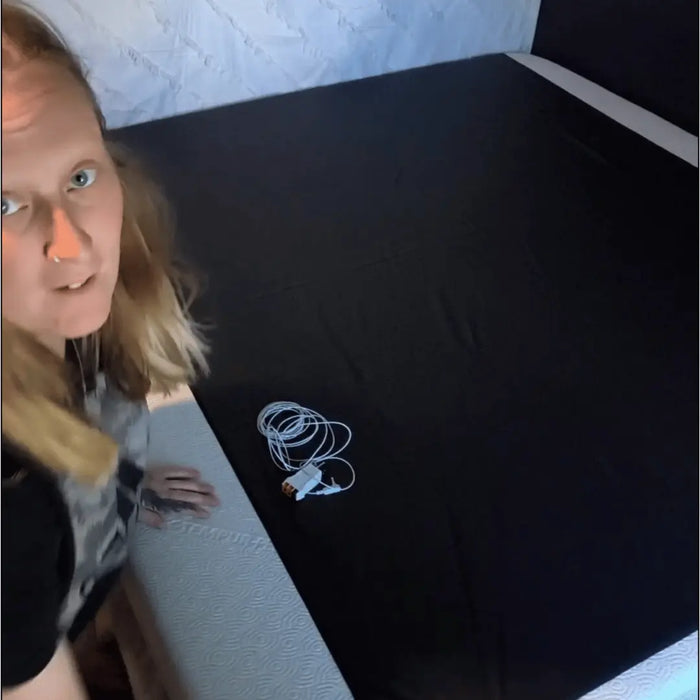
Grounding is commonly used during sleep, and many customers begin by adding a new mattress pad, fitted sheet, or grounding cord to their bedroom setup.
Any change to a familiar sleep environment can affect the first few nights. You may be more aware of the bed, the product, or your sleep patterns simply because the experience is new.
Some people also report sleeping more deeply or dreaming more vividly after beginning grounding. A noticeable change in sleep can temporarily make the morning feel different, even when the overall goal is more restorative rest.
Longer periods of relaxation
Grounding studies have reported changes consistent with parasympathetic activity—the branch of the nervous system associated with rest and recovery.
Someone accustomed to feeling tense, restless, or highly alert may notice the contrast when spending several hours in a calmer state. That may be experienced as sleepiness, heaviness, or simply feeling more relaxed than usual.
Increased attention to normal sensations
Starting a new wellness routine naturally makes people pay closer attention to how they feel.
A headache, tired afternoon, restless night, or vivid dream that might ordinarily pass without much thought can feel more significant after introducing something new. This does not mean the experience is imaginary. It simply means that timing alone does not establish a cause.
An individual adjustment response
Grounding research has examined changes involving cortisol rhythm, heart-rate variability, circulation, and inflammatory processes. It is therefore reasonable that individuals may experience the transition differently.
However, there is not currently enough research to define a universal adjustment response or predict who will experience one. The best approach is to listen to your body, use grounding comfortably, and make gradual adjustments when needed.
What to do if you feel uncomfortable after starting grounding
1. Confirm that your setup is correct
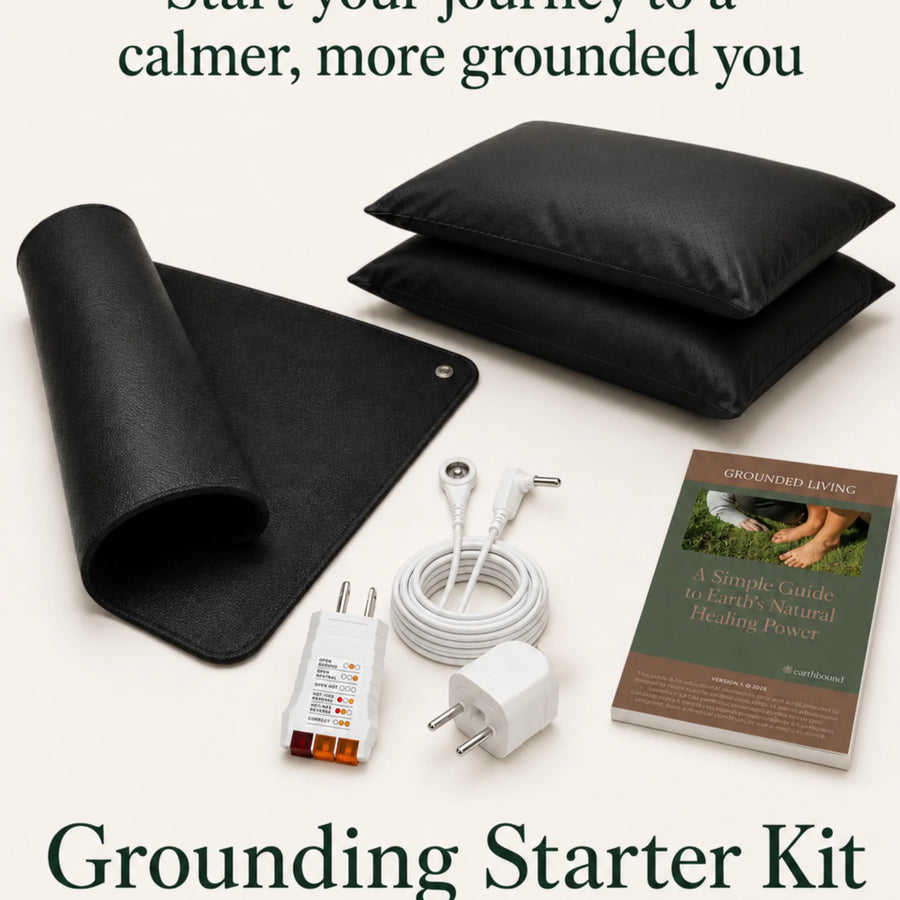
Begin by testing the outlet with the included outlet tester. Then verify that the product and cord are connected according to the instructions.
Earthbound products connect only to the grounded port of a properly wired outlet and include a safety resistor in the grounding cord. Testing the setup removes uncertainty and confirms that everything is functioning as intended.
2. Make sure the product is not disturbing your sleep
Check the physical setup before assuming that grounding itself is responsible.
- Position the cord where it cannot pull, bunch, or catch during sleep.
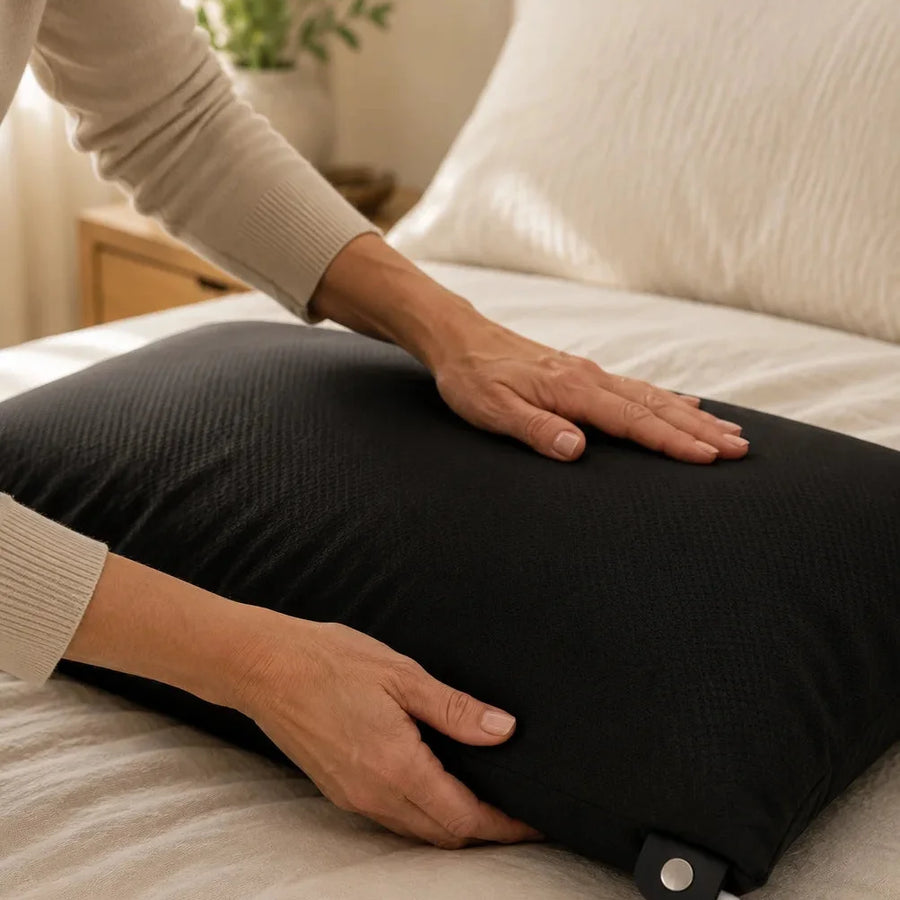
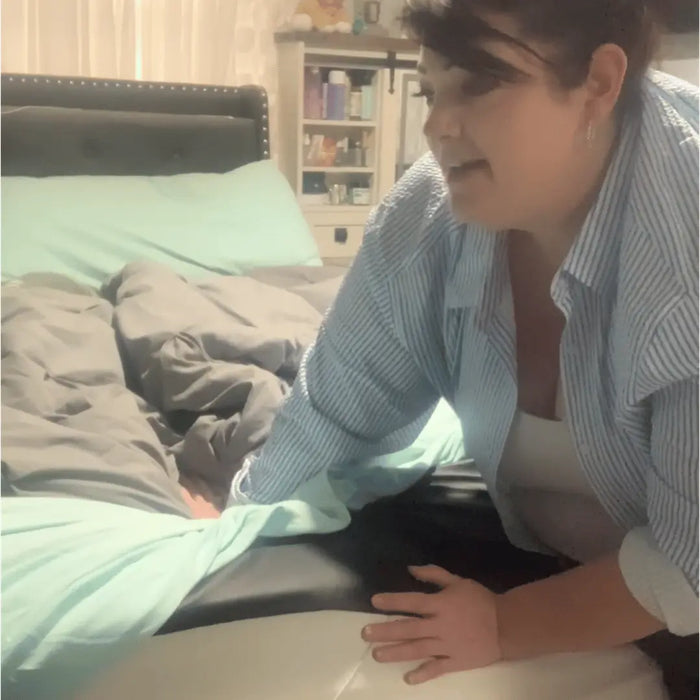
- Make sure the pad lies flat beneath the fitted sheet.
- Confirm that straps, connectors, or edges are not creating pressure points.
- Keep the bedroom temperature and nighttime routine consistent.
A more comfortable setup often resolves first-night restlessness.
3. Begin with shorter sessions
If sleeping grounded all night feels like too much of a change, begin gradually.
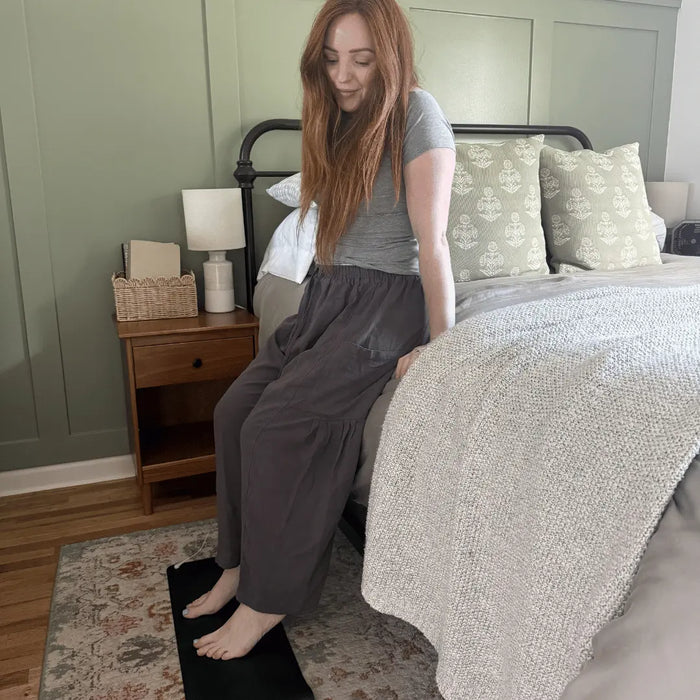
Use a grounding mat for 30 to 60 minutes while reading, working, or watching television. You can then increase the duration over several days before returning to overnight use.
This gradual approach allows you to become comfortable with the experience without abandoning grounding altogether.
4. Reduce the amount of direct contact temporarily
Bare-skin contact provides the strongest and most reliable connection, but you do not need to maximize contact immediately.
When using a mattress pad, begin with comfortable contact through your fitted sheet. When using a mat, you can start with one hand, one foot, or a smaller area of skin and increase contact as you become accustomed to it.
5. Support your normal wellness routine
Stay hydrated, maintain a consistent sleep schedule, eat normally, and avoid changing several wellness habits at the same time.
Keeping the rest of your routine stable makes it easier to understand how you are responding to grounding.
6. Pause when symptoms are significant
Grounding is intended to support well-being, not to make you endure discomfort.
If a symptom is more than mild, becomes worse, or concerns you, pause grounding and evaluate how you feel. Seek medical guidance for severe, unusual, or persistent symptoms rather than assuming they are part of a beneficial process.
How long does the adjustment period last?
When customers report an adjustment experience, it is usually described as lasting from a few sessions to several days.
There is no scientifically established grounding-adjustment timeline, and many people experience no initial symptoms whatsoever.
Mild sensations that resolve as you become familiar with the routine are generally less concerning than symptoms that continue, worsen, or interfere with daily life.
Do not use the idea of “detox” to explain away something persistent. Grounding should feel manageable and fit comfortably into your routine.
Should you keep grounding?
When the experience is mild and you otherwise feel well, you can usually continue with a more gradual schedule:
- Shorten each session.
- Ground during the daytime before trying overnight use again.
- Increase your contact time gradually.
- Track how you feel from day to day.
- Confirm that your equipment and outlet are working correctly.
If you feel better after reducing the duration, slowly build toward longer sessions as comfort allows.
If symptoms return consistently, become more noticeable, or remain unexplained, stop using the product and speak with a healthcare professional.
What results should you expect from grounding?
Grounding is not best judged by whether you feel something dramatic on the first night.
The more meaningful outcomes are often practical and gradual:
- Falling asleep more comfortably
- Waking less often
- Feeling more rested in the morning
- Experiencing a calmer evening routine
- Noticing less morning stiffness
- Recovering more comfortably after activity
Published grounding research has generally evaluated outcomes over repeated sessions or several weeks of consistent use. The foundational cortisol and sleep study, for example, followed participants through eight weeks of grounded sleep.
That is why Earthbound products include a 90-night trial. You should have enough time to become comfortable with the setup, establish a consistent routine, and evaluate whether grounding makes a meaningful difference for you.
Start gradually. Test everything. Give grounding time.
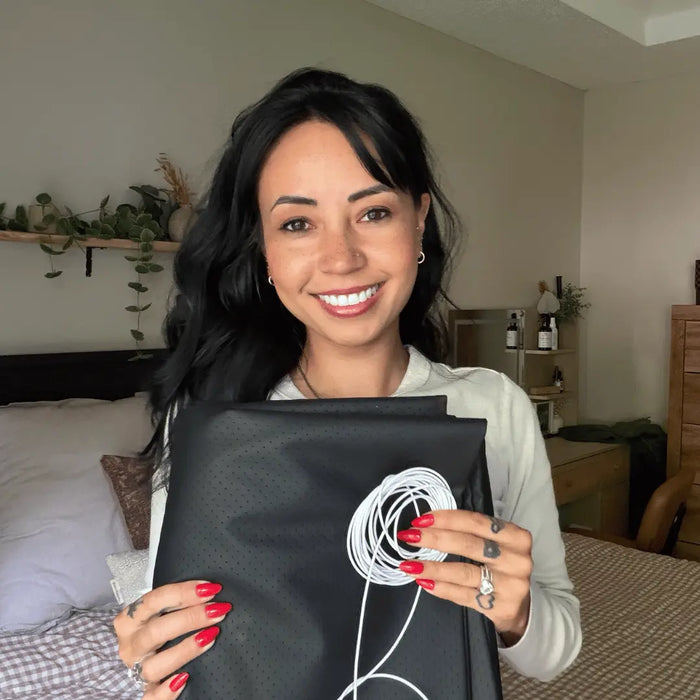
The Earthbound Grounding Mattress Pad is designed for comfortable, consistent grounding while you sleep. Every system includes the grounding cord and testing tools needed to verify your setup before use.
Begin at the pace that feels right for you, then evaluate your experience over several weeks with the protection of a 90-night trial and lifetime warranty.
Frequently asked questions
Are earthing detox symptoms real?
Some people report temporary sensations after beginning grounding, including tiredness, vivid dreams, mild headaches, or feeling unusually relaxed.
These experiences may be real, but research has not established that they are caused by toxins leaving the body. “Adjustment sensations” is a more accurate description than “detox symptoms.”
Is it normal to feel tired after grounding?
Some new users say they feel more relaxed or sleepy during their first grounding sessions. This may be related to changes in routine, deeper relaxation, altered sleep patterns, or individual response.
Try a shorter daytime session and increase your grounding time gradually. Persistent or significant fatigue should be evaluated rather than automatically attributed to grounding.
Can grounding cause headaches?
Temporary headaches are occasionally reported by people beginning grounding, but a direct causal relationship has not been established.
Check your hydration, sleep, stress, product setup, and other possible causes. Reduce your grounding duration or pause use if the headache continues, becomes severe, or repeatedly returns.
How long do grounding adjustment symptoms last?
When users report an adjustment period, it is usually described as lasting several days. There is no scientifically established timeline, and many people experience no adjustment symptoms.
Symptoms that persist, worsen, or interfere with daily life should be discussed with a healthcare professional.
Should I stop grounding if I feel different?
You do not necessarily need to stop because of a mild, temporary sensation. Try reducing the session length, grounding during the day, and increasing your contact time gradually.
Pause grounding when symptoms are more than mild, become worse, concern you, or continue despite adjusting the routine.
Can I ease into grounding gradually?
Yes. Begin with 30 to 60 minutes on a grounding mat while reading, working, or relaxing. Increase the duration over several days before progressing to longer sessions or overnight grounding.
A gradual introduction is often the most comfortable approach for anyone who is sensitive to changes in sleep or wellness routines.
How do I know that my grounding setup is safe?
Test the electrical outlet before use and follow the product instructions carefully. Earthbound systems include testing tools, and the grounding cord connects only to the grounded port of a correctly wired outlet.
The cord also contains an inline safety resistor. Do not use an outlet that fails the ground test.
Can I use grounding products with medication or a medical device?
Anyone taking medication for a serious condition, using an implanted electronic medical device, or receiving ongoing medical treatment should discuss grounding with a qualified healthcare professional.
Grounding is a general wellness practice and should not be used to change medication or replace prescribed treatment.
References: Ghaly & Teplitz 2004; Chevalier, Sinatra et al. 2013; Oschman, Chevalier & Brown 2015. Grounding products are intended to support general wellness and are not intended to diagnose, treat, cure, or prevent any disease.