



Reviewed for accuracy: July 2026. This article provides general wellness information and is not pediatric medical advice. Speak with your child’s pediatrician about health concerns, ongoing treatment, implanted medical devices, or persistent sleep difficulties.
Children spend more time indoors than ever—sleeping on insulated mattresses, walking across synthetic floors, wearing rubber-soled shoes, and spending hours around modern electronics.
Grounding offers a simple way to reconnect them with the earth’s natural electrical environment, either through barefoot outdoor time or a properly designed grounding product used at home.
For many families, the appeal is straightforward: grounding is passive, measurable, easy to add to an existing routine, and requires no supplement, complicated protocol, or change to a child’s normal schedule.
Used appropriately for the child’s age, a grounding mat or mattress pad can become a comfortable part of reading, homework, relaxation, and sleep—while giving parents the ability to verify the setup themselves.
Is grounding safe for children?
For an age-appropriate child using a properly installed product, grounding is generally considered a low-risk, non-invasive wellness practice.
A grounding product does not send powered electricity into the body. It connects only to the round ground port of a correctly wired outlet—the passive safety connection that leads back to the earth.
When a child touches or rests near a grounded surface, the body moves toward the earth’s electrical potential. This is the same natural electrical state created by standing barefoot on grass, soil, or sand.
Earthbound grounding cords also include a 100,000-ohm current-limiting safety resistor as an added protective feature.
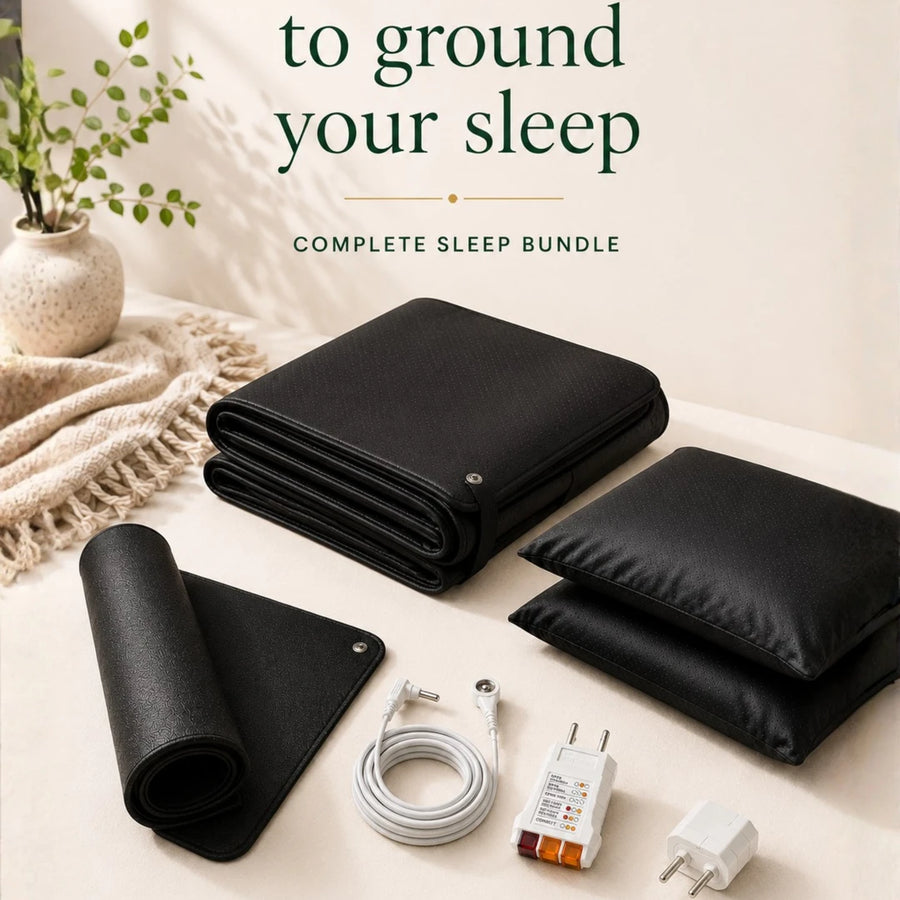
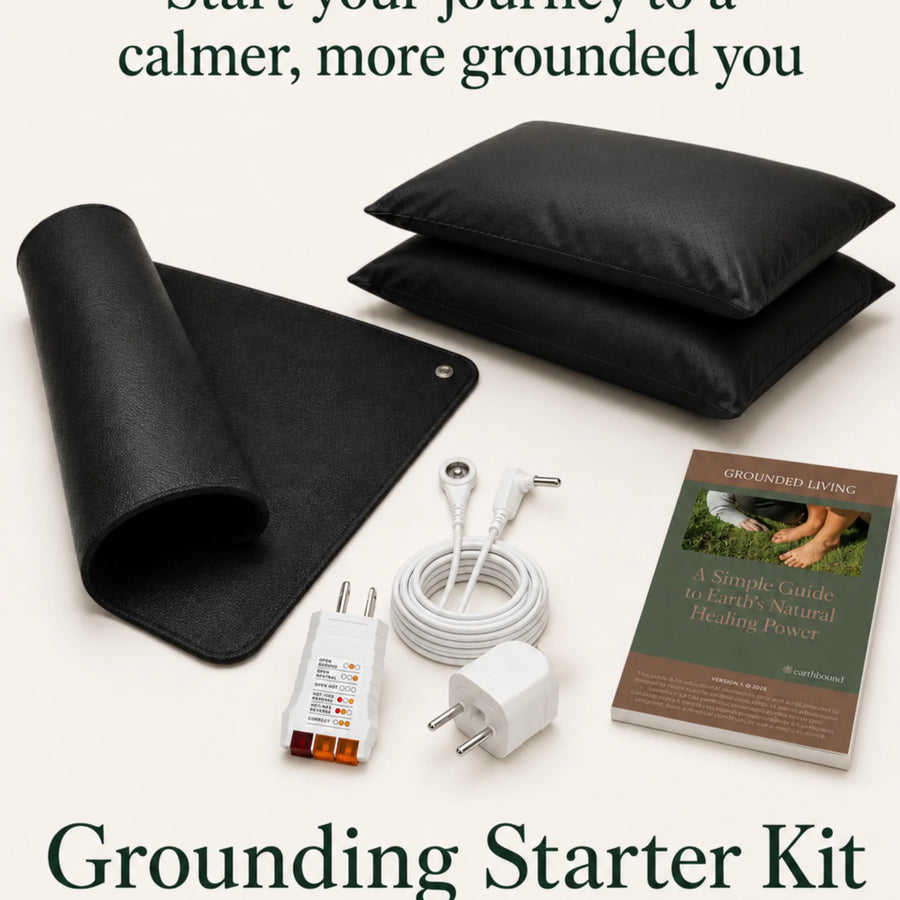
Every Earthbound system includes testing tools so parents can:
- Confirm that the outlet is properly grounded
- Verify that the grounding product is functioning
- Retest the setup after moving the product
- Check the system again whenever desired
The electrical function is therefore not something parents have to accept on faith. It can be checked objectively in less than a minute.
Why grounding may be valuable for children
Grounding research has explored areas that matter to the whole family, including sleep quality, nighttime cortisol rhythm, relaxation, nervous-system balance, physical recovery, and inflammatory processes.
Most published studies have involved adults, but the underlying electrical principle is not age-specific. A child’s body is conductive and responds electrically to a grounded surface in the same fundamental way.
Parents who introduce grounding commonly look for practical changes such as:
- Settling more easily at bedtime
- A calmer evening routine
- Fewer restless movements during sleep
- More refreshed mornings
- Greater relaxation during reading or homework
- More comfortable recovery after sports and activity
Grounding should not be presented as a treatment for a pediatric condition. It is better understood as a supportive wellness practice that may help create a calmer, more grounded environment for rest and recovery.
Grounding and children’s sleep
Sleep is one of the main reasons families become interested in grounding.
Published grounding research in adults has reported encouraging findings involving sleep onset, nighttime waking, morning fatigue, and cortisol rhythm. Cortisol plays an important role in the body’s natural sleep-wake cycle and stress response.
Although child-specific clinical trials are limited, grounding can still be introduced as part of a healthy nighttime routine that already includes:
- A consistent bedtime
- A cool, dark bedroom
- Reduced screen exposure before bed
- Comfortable bedding
- Quiet wind-down activities
- Regular outdoor activity during the day
A grounding mattress pad adds no extra task for the child. Once installed beneath the fitted sheet, it becomes part of the bed and can be used throughout the night without requiring the child to remember anything.
Grounding and calm evening routines
Children often move quickly from a stimulating day into bedtime. School, sports, screens, homework, and social activity can make it difficult to transition into a quieter state.
Grounding research has examined changes associated with parasympathetic nervous-system activity—the “rest and recovery” branch of the nervous system.
For families, this can translate into a simple evening routine:
- Reading with bare feet on a grounding mat
- Doing homework at a grounded desk
- Stretching or relaxing on a grounding surface
- Sleeping over a grounding mattress pad
The goal is not to force a particular sensation. It is to create a consistent environment that supports calm, comfort, and rest.
Grounding for active children and young athletes
Children involved in sports, dance, martial arts, running, gymnastics, or outdoor play place repeated physical demands on their muscles and joints.
Grounding research in adults has explored exercise recovery, muscle soreness, inflammatory measurements, and heart-rate variability.
For an active child or teenager, grounding can be used passively during the hours when recovery is already taking place:
- While doing homework
- While reading or watching television
- During quiet time after practice
- Throughout overnight sleep
Grounding does not replace appropriate nutrition, hydration, rest, medical care, or rehabilitation. It can simply become another supportive part of a balanced recovery routine.
The best ways for children to ground
1. Barefoot outdoor time
For children of any age, direct outdoor contact is the most natural introduction to grounding.
Bare feet on grass, soil, sand, or another conductive natural surface provide a direct connection to the earth while also encouraging movement, daylight exposure, sensory play, and time away from screens.
Outdoor grounding is free, cordless, and easy to combine with normal play.
2. A grounding mat during supervised daytime use
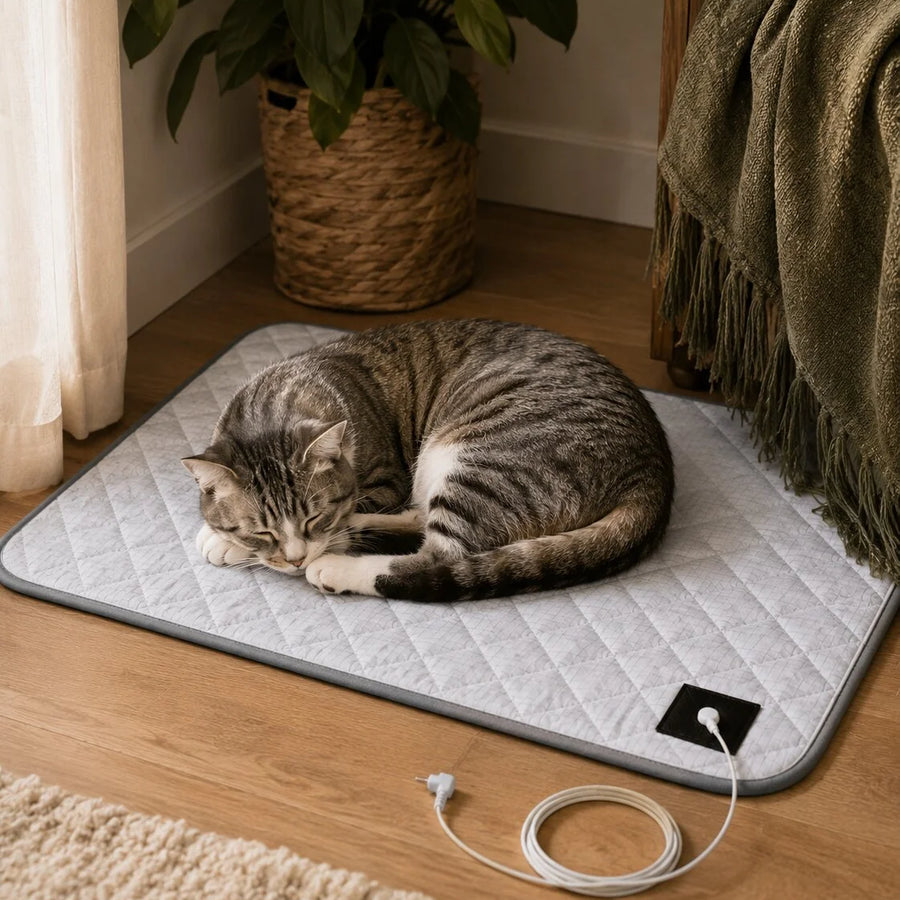
A grounding mat can be placed:
- Under a homework desk
- In a family reading area
- Beside a sofa
- In a stretching or play space
- At a computer workstation
This is often the easiest indoor setup for younger school-age children because it is used while the child is awake and the cord can be routed completely out of the way.
3. A grounding mattress pad for older children and teens
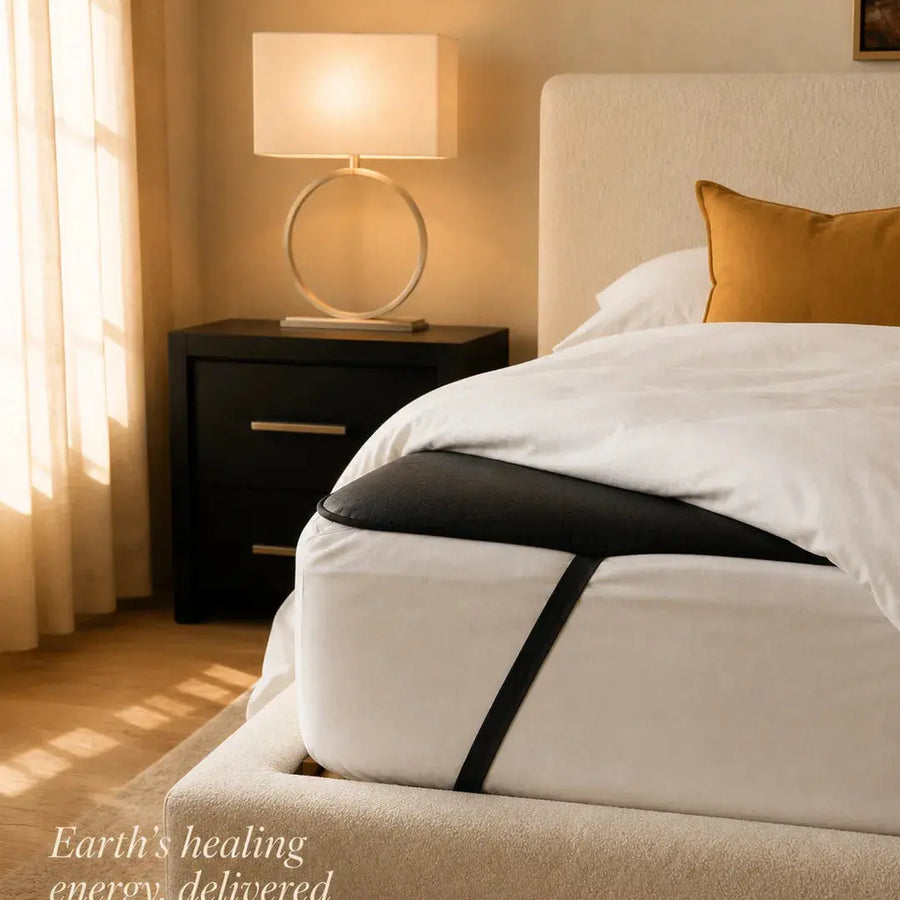
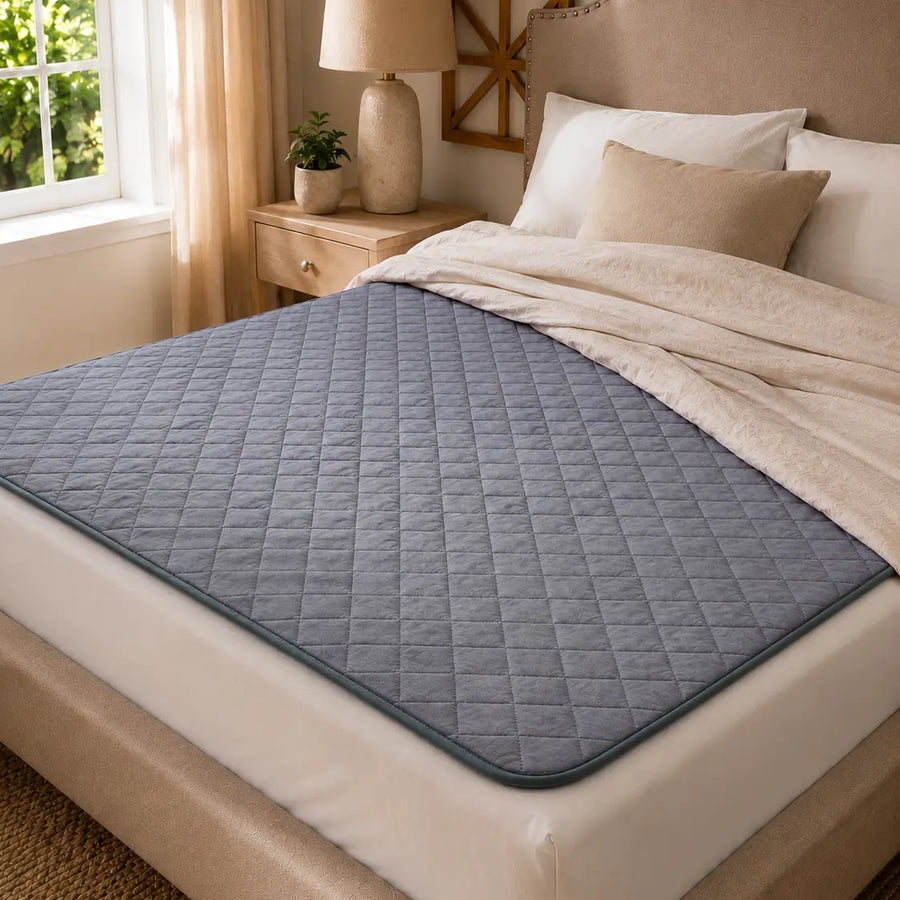
For children old enough to use a corded bedroom product safely, the Earthbound Grounding Mattress Pad provides several hours of uninterrupted grounding every night.
The pad sits beneath the fitted sheet, so the child can keep normal bedding, wear ordinary pajamas, and sleep as usual.
Earthbound’s Half-Bed size is well suited to many twin-bed setups, providing a grounded surface beneath the area where the child sleeps.
Once installed, the system becomes virtually effortless:
- No nightly setup
- No supplement to remember
- No need to maintain one exact sleeping position
- No direct contact with an exposed cord
- No change to the feel of familiar bedding
Age-appropriate safety considerations
The main child-specific consideration is not the grounded surface itself—it is responsible cord management.
Infants and cribs
Do not place grounding cords, loose cables, or corded wellness products inside an infant’s crib.
Established safe-sleep guidance should always take priority. For babies and very young toddlers, supervised outdoor contact is the most appropriate way to introduce natural grounding.
Toddlers and children who chew or pull cords
A child who may chew, pull, wrap, or play with a cord should not have unsupervised access to one.
Use a supervised grounding mat during waking hours, or continue with barefoot outdoor grounding until the child is old enough for a safely routed bedroom setup.
School-age children and teenagers
For an older child, route the cord:
- Behind the headboard
- Along the wall
- Behind furniture
- Away from walking paths
- Into an outlet that is not within casual reach
Once secured, the cord should be no more intrusive than a properly managed lamp or alarm-clock cable.
Medical situations that require pediatric guidance
Speak with the child’s pediatrician before introducing an indoor grounding product when the child:
- Has an implanted electronic medical device
- Uses an insulin pump or other medical equipment
- Takes medication requiring close monitoring
- Has a chronic or serious medical condition
- Is receiving treatment for a sleep disorder
- Experiences unexplained or persistent symptoms
Grounding should complement responsible medical care, never replace it.
How to introduce grounding to a child
Keep the experience simple and positive.
- Explain it in age-appropriate language. You might say, “This helps connect your bed to the earth, like being barefoot outside.”
- Test the system together. Use the outlet tester and product tester as a quick science demonstration.
- Start during the daytime. Let the child read, draw, or do homework with bare feet on a grounding mat.
- Move to overnight grounding when appropriate. Install the mattress pad beneath the fitted sheet and route the cord securely.
- Observe practical changes. Look at bedtime settling, nighttime waking, morning mood, comfort, and recovery after activity.
Children do not need to be told to expect a dramatic sensation. Grounding is often subtle and cumulative, and many of the most meaningful changes are noticed over time.
How long should a family try grounding?
Some families report noticing calmer evenings or sleep changes within the first few nights. Others observe more gradual differences after several weeks.
Grounding studies involving sleep and cortisol have generally evaluated repeated use over time rather than isolated sessions.
A practical family trial is:
- Observe the child’s normal routine for one or two weeks.
- Introduce grounding consistently.
- Continue for four to eight weeks.
- Compare bedtime, sleep, morning mood, comfort, and recovery.
Earthbound’s 90-night trial provides enough time to install the product properly, allow grounding to become familiar, and evaluate whether it makes a meaningful difference for your family.
Why families choose Earthbound
Parents need more than a conductive product. They need a system they can understand, test, and trust.
Earthbound grounding systems include:
- A cord that connects only to the outlet’s ground port
- A 100,000-ohm current-limiting safety resistor
- An outlet tester
- A product testing system
- Clear setup instructions
- A wipe-clean carbon-conductive surface
- A 90-night trial
- A lifetime warranty
Parents can verify the system before the first use and repeat the same check at any time.
Create a more grounded nighttime routine for your family
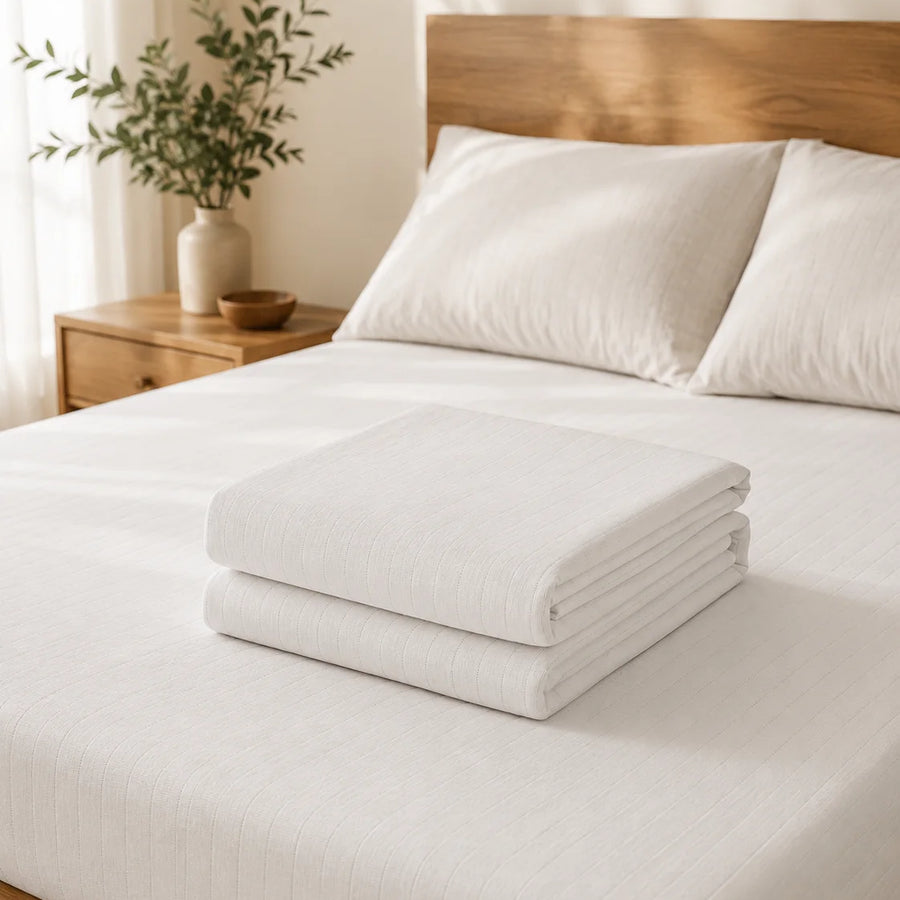
The Earthbound Grounding Mattress Pad sits beneath the fitted sheet and provides a broad grounded surface throughout the night. It works with normal bedding, requires no nightly effort, and includes everything parents need to verify the setup.
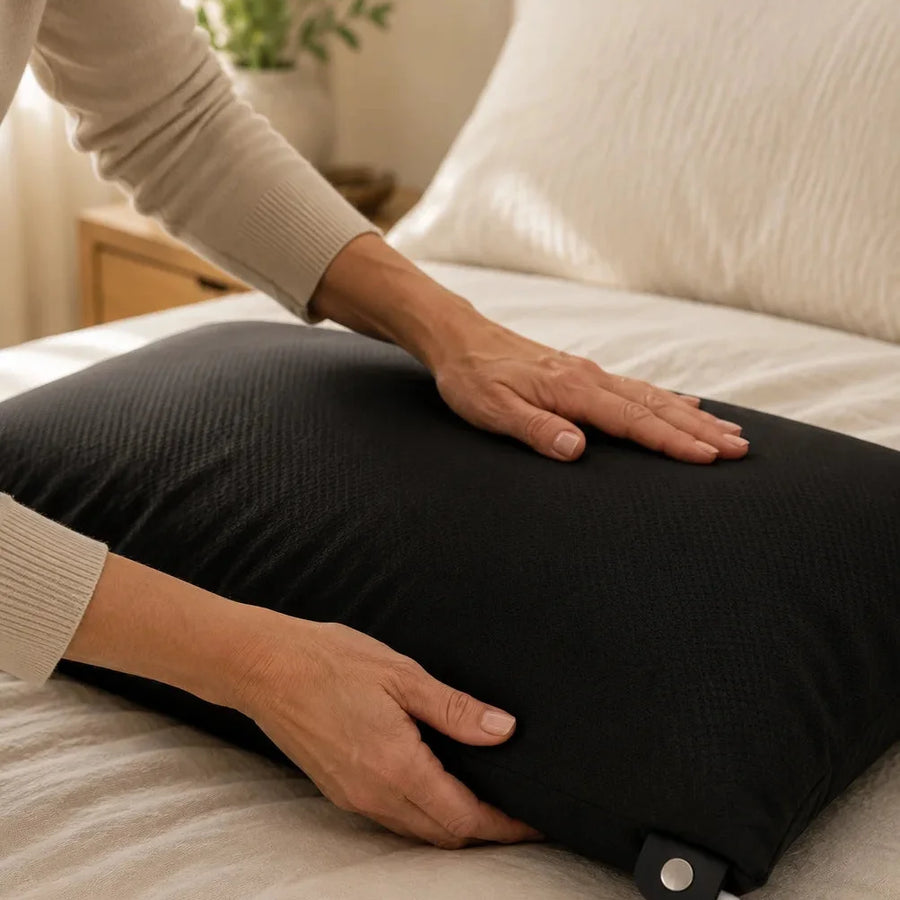
For supervised daytime grounding, the Earthbound Grounding Mat fits naturally beneath a homework desk, in a reading corner, or beside the family sofa.
Every system is backed by a 90-night trial and lifetime warranty, giving your family time to experience grounding consistently and evaluate the difference.
Frequently asked questions
Are grounding mats safe for kids?
For an age-appropriate child using a properly installed product, grounding is generally considered a low-risk, non-invasive wellness practice.
The product connects only to the ground port of a correctly wired outlet and does not send powered electricity into the child’s body. Parents should test the outlet, verify the product, and manage the cord appropriately for the child’s age.
Can grounding help children sleep?
Adult grounding research has reported encouraging findings involving sleep quality, nighttime cortisol rhythm, relaxation, and morning fatigue.
While child-specific clinical research is limited, many families use grounding as part of a consistent bedtime environment and observe changes in settling, nighttime restlessness, and morning mood.
Can babies use grounding products?
Corded grounding products should not be placed inside an infant’s crib. Safe-sleep rules and a cord-free sleep space should always come first.
Supervised outdoor contact with grass, soil, or sand is a more appropriate form of grounding for babies and very young children.
Can toddlers use a grounding mat?
A toddler can spend supervised time on a grounding mat when the cord is fully protected and inaccessible.
Do not leave corded products unsupervised around a child who may chew, pull, or wrap the cable.
What is the best grounding product for children?
For younger children, a supervised grounding mat in a family space is often the most practical indoor option.
For older children and teenagers who can safely use a corded bedroom product, a grounding mattress pad provides several uninterrupted hours of grounding during sleep.
Can children wear pajamas while using a grounding mattress pad?
Yes. The Earthbound Grounding Mattress Pad is designed to sit beneath the fitted sheet and can be used with normal sleepwear.
The child does not need to sleep directly on the carbon surface or keep part of the body exposed.
How do I know the grounding product is working?
Use the included outlet tester to confirm that the outlet is properly grounded, then use the product tester to verify the grounding surface.
Parents can complete both checks before use and repeat them after moving the product or changing the setup.
Should I ask my child’s pediatrician first?
Speak with the pediatrician first if the child has an implanted device, uses medical equipment, takes closely monitored medication, has a chronic condition, or is being treated for a sleep or health concern.
Grounding should be used as a supportive wellness practice, not as a replacement for appropriate care.
How long should my child try grounding?
Some families notice changes quickly, while others observe more gradual differences over several weeks.
A consistent four- to eight-week period provides a more useful evaluation than one or two nights. Earthbound’s 90-night trial gives families enough time to introduce grounding gradually and assess the experience.
Grounding products are intended to support general wellness and are not intended to diagnose, treat, cure, or prevent disease.