



Reviewed for accuracy: July 2026. This article provides general wellness information and is not veterinary advice. Speak with your veterinarian about new, persistent, or serious health concerns involving your pet.
Pets seem to understand grounding instinctively.
Place a grounding mat on the floor and many dogs or cats will investigate it, settle onto it, and return to it again later—often without any encouragement. For pet owners who already use grounding themselves, that behavior raises an obvious question:
Could grounding also support a pet’s comfort, relaxation, sleep, and recovery?
The same electrical principles that apply to people also apply to animals. Dogs and cats are conductive bodies, and when they rest on a properly connected grounding surface, they are brought into contact with the earth’s electrical potential.
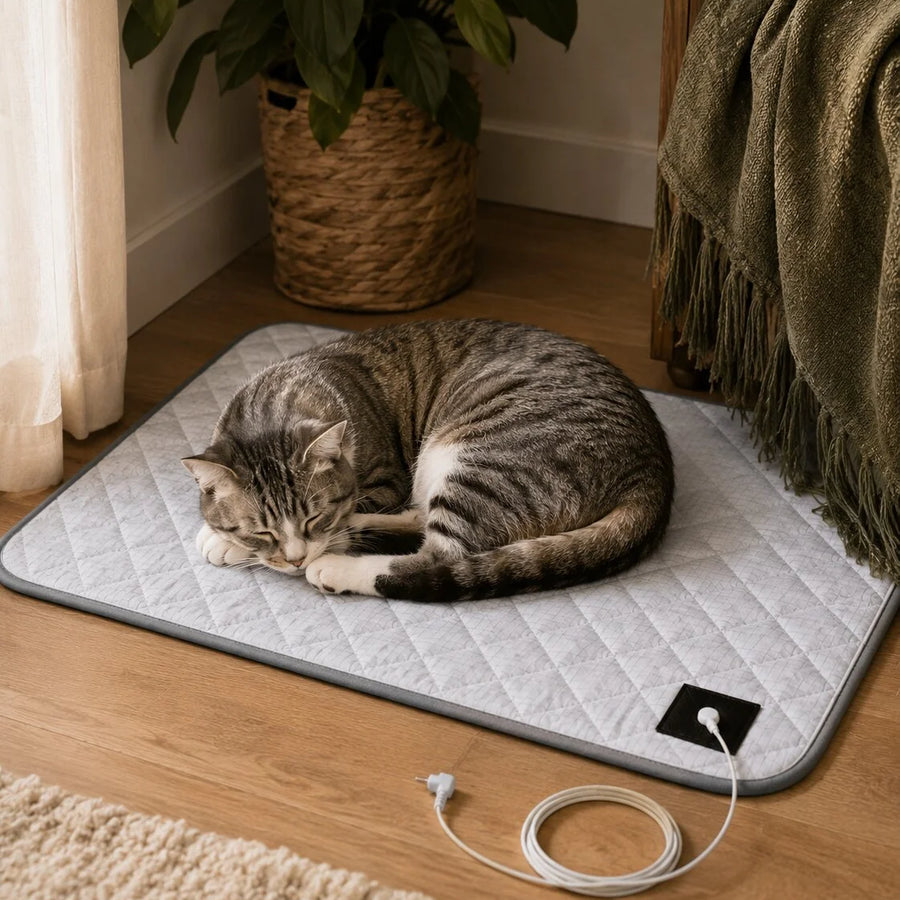
Because pets spend so much of the day resting, a grounding pad can give them hours of effortless contact without changing their routine. They simply lie down, nap, and relax as usual—while remaining connected to a grounded surface.
Why grounding makes sense for pets
Animals evolved in constant contact with the earth.
Wild animals sleep on soil, grass, rock, sand, and other naturally conductive surfaces. Domestic animals once spent far more time outdoors as well.
Modern pets often live almost entirely indoors on:
- Carpet
- Vinyl flooring
- Foam beds
- Synthetic blankets
- Elevated furniture
- Insulated crates and pet beds
These surfaces separate them from direct contact with the earth in much the same way that shoes, buildings, and modern bedding separate people from it.
A grounding pet pad provides a simple way to restore that connection indoors—without requiring extra walks, outdoor time, supplements, or changes to your pet’s normal schedule.
How grounding works for dogs and cats
A dog or cat’s body conducts electricity just as a human body does.
When your pet rests on a conductive pad connected to a proper ground source, the body moves toward the earth’s electrical potential.
Pets may be especially well suited to passive grounding because they naturally spend so much time lying down. Dogs commonly sleep or rest for 12 to 14 hours a day, while cats may rest even longer.
Their bodies also maintain contact through areas such as:
- Paw pads
- The belly
- Inner legs
- Areas with thinner fur
- Moist skin-contact points
Once your pet settles onto the pad, no effort is required. Grounding becomes part of the same rest period they were already going to take.
Potential grounding benefits for pets
Pet-specific clinical research is still developing, but the broader grounding literature has explored areas that are highly relevant to animal well-being, including relaxation, sleep, circulation, inflammatory processes, discomfort, and physical recovery.
Pet owners also commonly report noticeable changes in how their animals rest, move, and settle after grounding becomes part of the home environment.
May support greater comfort in senior pets
Older dogs and cats often experience stiffness, slower movement, and greater difficulty getting comfortable after activity or long periods of rest.
Grounding research in humans has examined inflammation-related measurements, physical discomfort, and exercise recovery. While pets should always remain under appropriate veterinary care, these findings provide a reasonable basis for using grounding as a complementary comfort practice.
Owners of senior pets commonly watch for changes such as:
- Standing up more easily after resting
- Less hesitation before using stairs
- Greater willingness to walk or play
- More comfortable sleeping positions
- Less frequent repositioning during naps
A grounding pad does not require the pet to perform an exercise or tolerate a complicated treatment. It simply gives the animal a comfortable place to rest while remaining connected to the earth.
May help restless pets settle more easily
Many pet owners describe grounding as calming for animals that have difficulty settling down.
A dog that paces during the evening, a cat that changes sleeping spots repeatedly, or a pet that remains alert despite being tired may benefit from having a familiar grounded resting area.
Grounding research has explored changes associated with parasympathetic nervous-system activity—the rest-and-recovery state involved in relaxation and restorative sleep.
For pets, the practical result may look less dramatic than a medical treatment and more like what owners actually want to see:
- Settling more quickly
- Remaining asleep longer
- Resting with a more relaxed posture
- Returning voluntarily to the same resting spot
- Appearing calmer during quiet parts of the day
May support restful sleep
Sleep is central to a pet’s health, mood, recovery, and quality of life.
Grounding research in people has reported encouraging findings involving sleep quality, nighttime cortisol rhythm, relaxation, and morning comfort.
Dogs and cats naturally spend many hours sleeping, making rest time the easiest opportunity to introduce grounding consistently.
Place the grounding pad in a location your pet already chooses for sleep, and the practice requires no training. The pad simply becomes part of the animal’s normal resting environment.
May support recovery after activity
Active dogs place repeated stress on their muscles, joints, paws, and connective tissues through running, hiking, training, jumping, and play.
Grounding research has examined soreness, recovery, circulation, and physical stress after exercise. These areas are especially relevant for:
- Sporting dogs
- Working dogs
- Agility dogs
- Highly active breeds
- Older dogs recovering after walks
- Pets returning to activity under veterinary guidance
A grounding pad offers a passive recovery environment after activity. Your pet can rest on it while sleeping, chewing a toy, or relaxing near the family.
Provides a familiar place for calm and security
Pets often build strong associations with their preferred beds, blankets, crates, and resting areas.
When the grounding pad is placed in a familiar location, it can become a consistent comfort zone that signals rest and relaxation.
This can be especially useful during:
- Evening wind-down
- Nap time
- Crate rest
- Travel recovery
- Periods of reduced activity
- Changes in household routine
The goal is not to force your pet onto the pad. It is to place it where rest already happens and let the animal choose it naturally.
Why pets often choose grounded surfaces
Many owners first become interested in pet grounding after noticing that their dog or cat repeatedly takes over a human grounding mat.
Animals cannot explain why they choose one surface over another, but they are highly responsive to comfort, temperature, texture, scent, and how a resting place makes them feel.
When a pet repeatedly returns to a grounding surface without being directed, that voluntary behavior is worth observing.
Look for patterns such as:
- Choosing the pad over a nearby ungrounded bed
- Remaining on it for longer periods
- Stretching out more fully
- Relaxing more quickly after lying down
- Returning to the same spot throughout the day
Your pet’s own behavior can be one of the most useful indicators of whether the pad has become a valued part of its environment.
How to introduce a grounding pad to your pet
The best setup is simple and pressure-free.
- Place it where your pet already rests. Use the crate, favorite corner, bedside spot, sunny floor area, or the space beside your desk.
- Allow your pet to investigate naturally. Do not repeatedly place or hold the animal on the pad.
- Add a familiar cue if needed. A favorite toy or familiar scent nearby can help the area feel comfortable.
- Protect and route the cord. Keep it behind furniture or use a cord protector, particularly with puppies or known chewers.
- Test the setup before use. Confirm that the outlet and grounding surface are functioning correctly.
- Observe your pet over time. Watch where the animal chooses to rest and whether comfort, settling, or movement changes gradually.
Some pets may lie on the pad immediately. Others may take several days to incorporate it into their normal routine.
Why a purpose-built pet pad is the better choice
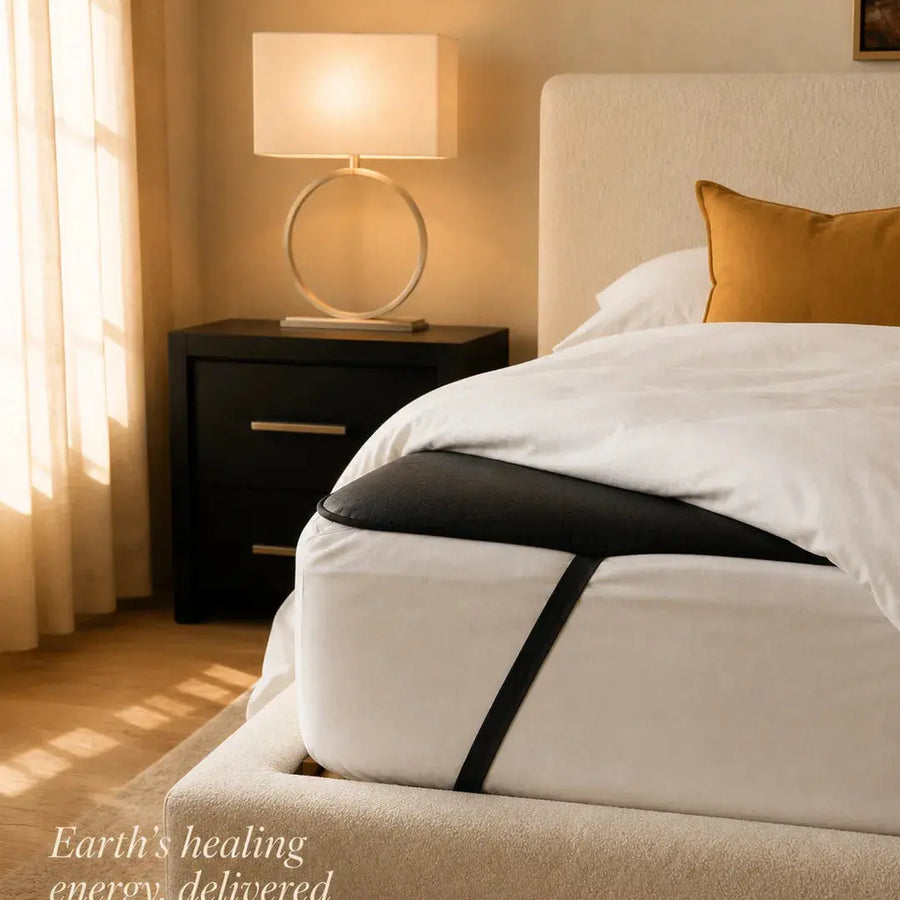
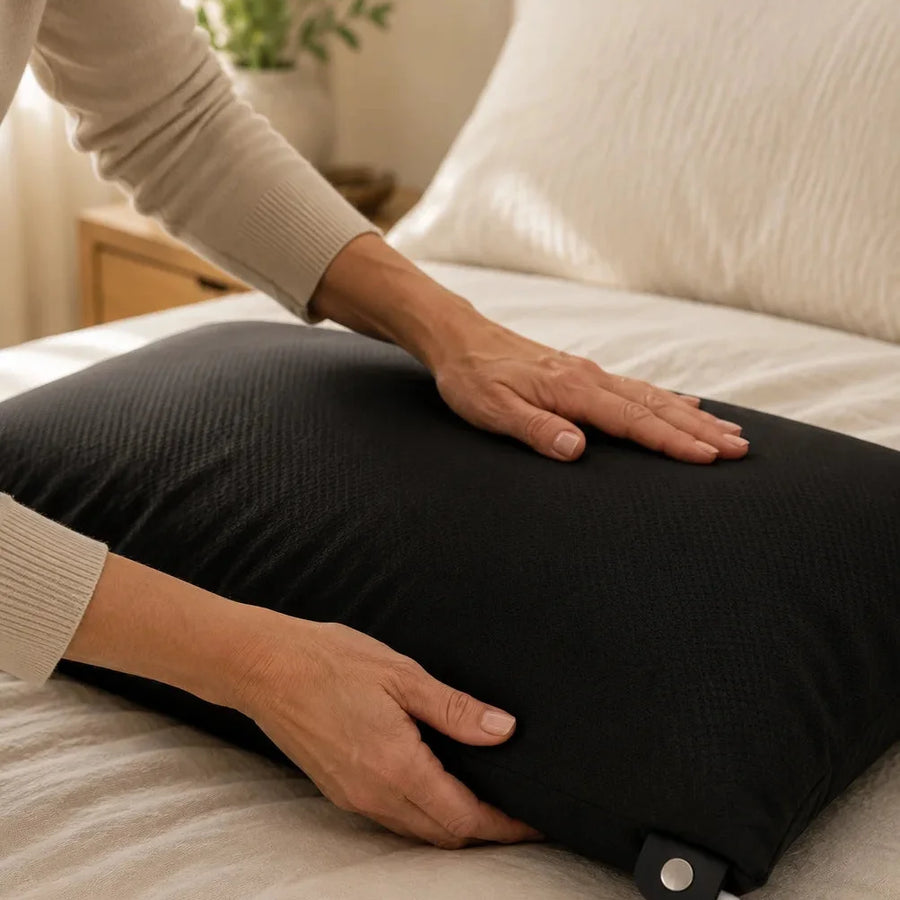
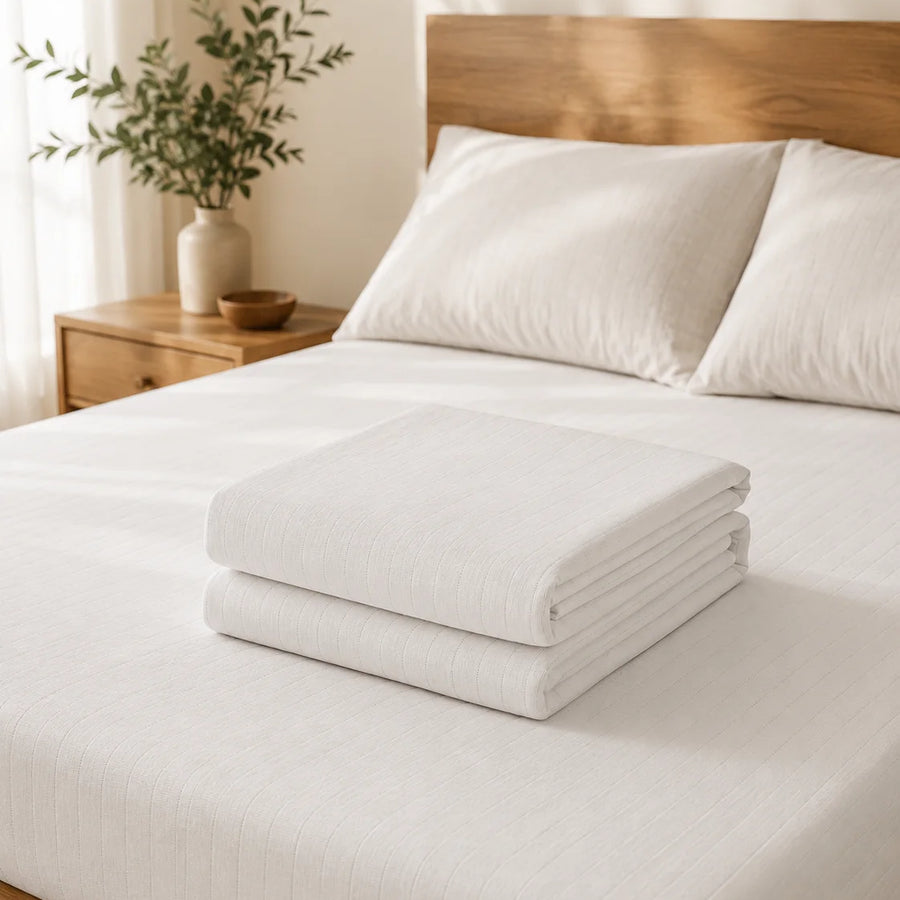
A human grounding mattress pad or desk mat may conduct properly, but it is not necessarily designed for the realities of pet use.
Pets bring different demands:
- Claws
- Digging and nesting behavior
- Chewing
- Shedding
- Dirt and paw residue
- Occasional spills or accidents
- Repeated use in crates or on floors
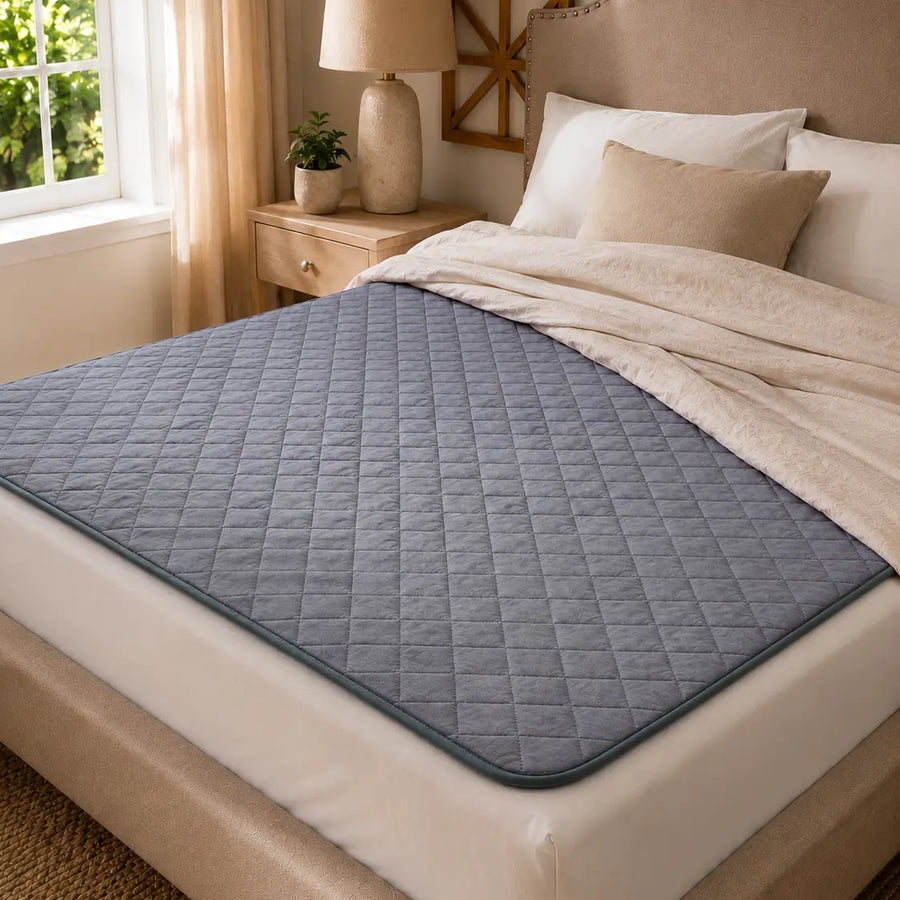
The Earthbound Grounding Pet Pad is designed specifically for this environment, with a comfortable quilted surface, durable construction, a protected grounding connection, and simple wipe-clean care.
It gives pets their own dedicated grounding space without exposing your sleep system to claws, hair, or accidents.
How to evaluate your pet’s experience
Because pets cannot describe how they feel, use observable behavior.
Before introducing the pad, spend several days noting:
- How long it takes your pet to settle
- How often the animal changes position
- Whether the pet hesitates before standing
- How comfortably it uses stairs
- Morning stiffness or slowness
- Willingness to walk, play, or interact
- How often the pet chooses its current bed
Then place the grounding pad in the same resting area and observe the same behaviors over several weeks.
You may also notice whether your pet voluntarily chooses the pad even when other sleeping options are available.
Grounding works best as a consistent part of the environment rather than an occasional session. Leaving the pad in a familiar resting location allows your pet to use it naturally throughout the day and night.
Grounding should complement good veterinary care
Grounding is a supportive wellness practice. It does not replace veterinary diagnosis, prescribed medication, rehabilitation, appropriate exercise, or nutritional care.
For a pet with arthritis, mobility limitations, anxiety, chronic illness, or unexplained discomfort, grounding can be added alongside the care plan established by your veterinarian.
The advantage is that it asks very little of the animal. There is no pill to hide, exercise to perform, or stressful appointment to attend. The pet simply rests on a comfortable grounded surface as part of everyday life.
Give your pet a more grounded place to rest
The Earthbound Grounding Pet Pad creates a comfortable grounded resting space for dogs and cats. Its quilted conductive surface is made for daily naps, senior-pet comfort, post-activity recovery, and calm time beside the family.
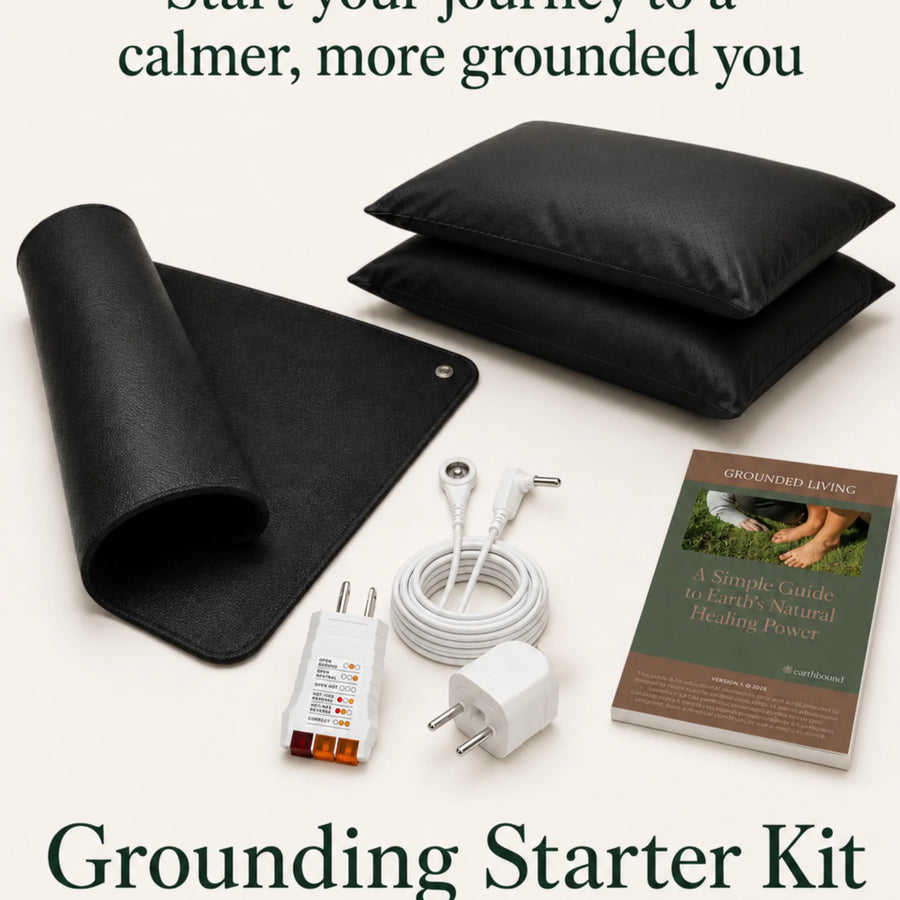
Every system includes the grounding cord and testing tools needed to verify the setup, along with a 90-night trial so your pet has time to make the pad part of its natural routine.
Frequently asked questions
Do grounding mats work for dogs and cats?
Yes, the electrical principle of grounding applies to animals just as it does to people.
When a dog or cat rests on a properly connected grounding surface, the body is brought into contact with the earth’s electrical potential. Pet owners commonly use grounding pads to support relaxation, restful sleep, senior-pet comfort, and recovery after activity.
What are the benefits of grounding for pets?
Potential benefits include greater relaxation, more restful sleep, improved comfort, easier settling, and support for recovery after activity.
Owners of senior pets also commonly watch for changes in mobility, morning stiffness, stair hesitation, sleeping position, and willingness to move.
Can grounding help a senior dog?
A grounding pad can provide a comfortable, low-effort resting environment for an older dog.
Many owners use grounding alongside veterinary care to support sleep, relaxation, recovery, and everyday comfort. It should not replace treatment prescribed by a veterinarian.
Can grounding help an anxious or restless pet?
Many pet owners report that their animals settle more easily and remain relaxed for longer periods on a grounding pad.
Place the pad in a quiet, familiar resting area and allow your pet to choose it naturally.
Is a grounding mat safe for pets?
A properly designed pet grounding pad connects only to the ground port of a correctly wired outlet and does not supply powered electricity to the animal.
The main pet-specific precaution is protecting the cord from chewing. Route it behind furniture, use a cord protector when needed, and supervise known chewers.
Can my pet sleep on a grounding pad all night?
Yes. The pad can remain in your pet’s normal sleeping area and be used throughout naps and overnight rest.
Consistent access allows the animal to choose the pad naturally and accumulate several hours of contact without changing its routine.
Can my pet lie on my grounding mattress pad?
A human grounding pad can provide a conductive connection, but it may not be designed for claws, shedding, chewing, or accidents.
A purpose-built pet pad is generally more durable and easier to position, protect, and clean.
Where should I place a grounding pet pad?
Place it where your pet already prefers to sleep: inside a crate, beside your bed, near your desk, in a favorite corner, or in a familiar sunny spot.
Placement in an established resting area is usually more effective than trying to teach the pet to use a completely new location.
How long should I try grounding with my pet?
Some pets may choose the pad immediately, while others need time to become familiar with it.
Keep it available consistently for several weeks and observe changes in settling, sleep, movement, comfort, and how often your pet chooses the pad voluntarily.
How do I know the pet pad is working?
Use the included outlet tester to verify that the outlet is grounded, then follow the product instructions to confirm conductivity across the pad.
Retest periodically, particularly after moving the pad or changing the setup.
Grounding products are intended to support general wellness and are not intended to diagnose, treat, cure, or prevent disease in humans or animals.