



Reviewed for accuracy: July 2026. This article provides general wellness information and is not medical advice. If you have an implanted medical device, take medication that affects blood clotting or blood sugar, or are managing a serious health condition, speak with your physician before beginning a grounding practice.
Grounding is one of the simplest wellness practices to add to your routine. It reconnects the body to the earth’s electrical potential—the same natural state created by standing barefoot on grass, soil, or sand.
For most people, grounding is comfortable, non-invasive, and easy to use. Published studies have not reported serious adverse events, and many users incorporate grounding into sleep, work, relaxation, and recovery routines without any noticeable adjustment period.
Some people do notice mild sensations when they first begin. These experiences are generally temporary and easy to manage by shortening sessions, checking the setup, and increasing contact time gradually.
Understanding what is normal, how the equipment works, and when to seek medical guidance allows you to begin grounding with confidence.
Is grounding safe?
Grounding places the body at the earth’s electrical potential. It does not send powered electricity into the body and does not use the live portion of an electrical outlet.
A properly designed grounding product connects only to the outlet’s ground port—the passive safety connection that leads back to the earth. Quality grounding cords also contain a current-limiting safety resistor.
In practical terms, the electrical state created by a grounding mat or mattress pad is comparable to direct contact with the earth outdoors.
Grounding studies involving overnight use, multi-hour sessions, and repeated exposure over several weeks have not documented serious adverse events. That makes grounding one of the more approachable wellness practices to evaluate personally.
What might you notice when you begin grounding?
Most new users do not experience any discomfort. They begin grounding, continue their normal routine, and evaluate changes in sleep, relaxation, recovery, and morning comfort over time.
A smaller number of people report temporary sensations during their first few sessions.
Mild tingling or increased body awareness
Some new users describe a light tingling sensation in the feet, legs, hands, or other areas touching the grounding surface.
This is usually described as subtle rather than painful and often becomes less noticeable as grounding becomes familiar.
It is also possible that people simply pay closer attention to ordinary sensations when trying something new. There is currently no established clinical mechanism explaining temporary tingling during grounding.
If a sensation is painful, persistent, spreading, or concerning, pause use and speak with a qualified healthcare professional. Tingling can have many causes unrelated to grounding and should not automatically be interpreted as an adjustment response.
Changes in sleep or dreams
Some people report sleeping more deeply, dreaming more vividly, or noticing a temporary change in their sleep pattern during the first several nights.
This may reflect the novelty of a new sleep setup, increased attention to sleep, or an individual response to spending several hours grounded.
Grounding research involving sleep and cortisol has generally evaluated changes over several weeks rather than one or two nights. The most useful way to assess your experience is therefore to focus on the overall pattern:
- Are you falling asleep more comfortably?
- Are you waking less often?
- Do you feel more rested in the morning?
- Does your evening routine feel calmer?
A single unusual night is less meaningful than a consistent trend over several weeks.
Temporary tiredness or relaxation
Some new users describe feeling unusually relaxed, sleepy, or physically heavy during their first grounding sessions.
Grounding research has explored changes in autonomic nervous-system activity, including shifts associated with the parasympathetic—or rest-and-recovery—state.
For someone accustomed to feeling tense, overstimulated, or restless, deeper relaxation may initially feel unfamiliar.
Beginning with shorter daytime sessions can make the transition more comfortable.
What grounding is not
Grounding is not a substitute for medical care, medication, or professional diagnosis.
It should be used as a supportive wellness practice alongside healthy sleep habits, movement, nutrition, stress management, and any treatment recommended by your healthcare provider.
You may also encounter claims that headaches, fatigue, or flu-like sensations are signs of “detoxification.” No established research has identified a grounding detox syndrome or demonstrated that grounding releases stored toxins.
It is more responsible to treat symptoms according to their actual severity and duration rather than assuming discomfort is proof that grounding is working.
Most people do not experience these sensations at all. When mild adjustment experiences do occur, they can often be managed with a gradual introduction.
Who should speak with a doctor first?
Grounding is generally low risk, but certain medical situations deserve additional caution.
People with implanted electronic medical devices
Anyone with a pacemaker, implanted defibrillator, neurostimulator, insulin pump, or another implanted electronic device should consult the physician responsible for that device before using an indoor grounding product.
This is a precautionary recommendation. Published grounding research has not established interference with these devices, but physician guidance is appropriate whenever an electrical wellness product is added to a medical-device routine.
People taking anticoagulant or antiplatelet medication
A small grounding study reported changes in red-blood-cell zeta potential and blood viscosity after grounding.
These findings are encouraging in the context of circulation research, but anyone taking medication that affects clotting or blood viscosity should inform their prescribing physician before beginning regular grounding.
Do not change medication dosage based on how you feel while grounding.
People using medication that requires close monitoring
If you take medication for blood sugar, blood pressure, thyroid function, or another condition requiring stable dosing and monitoring, let your healthcare provider know about meaningful changes to your wellness routine.
This does not mean grounding is expected to cause an interaction. It simply gives your provider a complete picture and allows medication decisions to remain medically supervised.
People experiencing unexplained or serious symptoms
Do not use grounding to explain away symptoms that are new, worsening, severe, or persistent.
Grounding can support a wellness routine, but it should never delay appropriate medical evaluation.
How Earthbound grounding products are designed for safe use
Safe indoor grounding depends on straightforward, verifiable equipment features.
The connection uses only the ground port
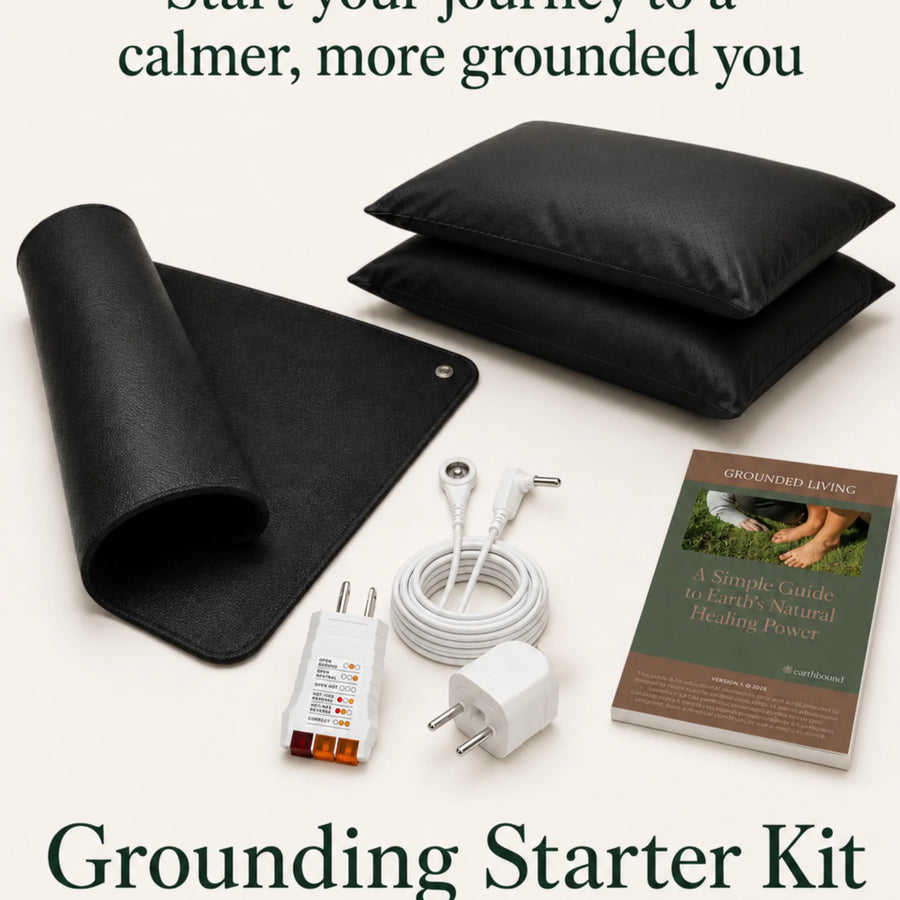
Earthbound products do not connect to the live electrical slots of the outlet. The grounding cord connects only to the round ground port, providing a path to the earth without supplying electrical power to the product.
The cord includes an inline safety resistor
Earthbound grounding cords contain a 100,000-ohm current-limiting resistor. This added safety feature restricts current in the unlikely event of an electrical fault.
The outlet can be tested before use
A three-prong outlet is not always correctly grounded, particularly in older homes or buildings with modified wiring.
That is why Earthbound systems include testing tools. Before using the product, you can confirm that the outlet is properly wired and verify that the grounding surface is functioning as intended.
This removes guesswork and allows you to begin with an objective confirmation that the setup is working.
The product can be disconnected during electrical storms
As a sensible precaution, disconnect grounding products during a nearby electrical storm, just as you might unplug other connected household devices.
How to begin grounding comfortably
You do not need to begin with eight hours of overnight use on the first day.
A gradual introduction is simple:
- Test the outlet and product. Use the included tools to verify the setup before your first session.
- Start with 30 to 60 minutes. Ground while reading, working, meditating, or watching television.
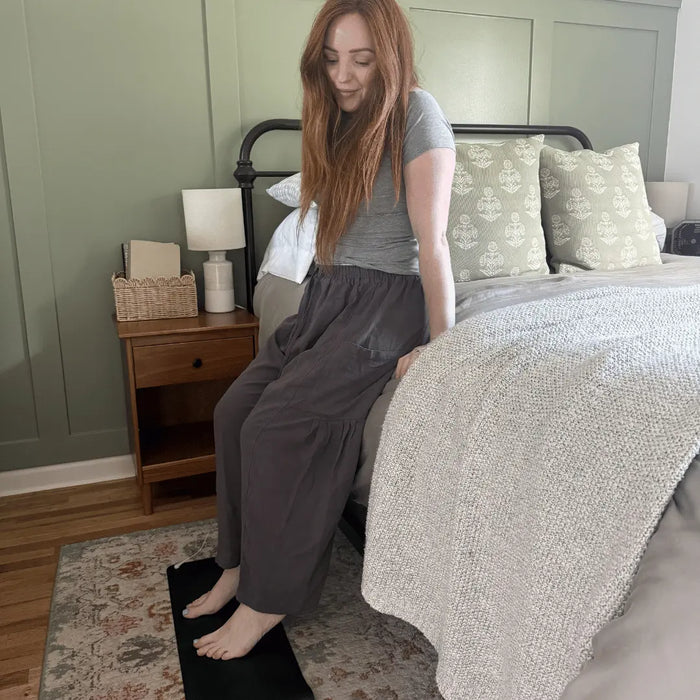
- Use comfortable skin contact. Rest your bare feet, hands, legs, or forearms on the conductive surface.
- Increase the duration gradually. Add more time over several days as grounding becomes part of your normal routine.
- Progress to overnight grounding. Once comfortable, use a grounding mattress pad during sleep for longer, uninterrupted contact.
Many people prefer to begin directly with overnight grounding and experience no discomfort. The gradual approach is simply available for anyone who is sensitive to changes in sleep or wellness routines.
What benefits should you look for?
Grounding is not intended to create a dramatic sensation every time you use it.
The most meaningful changes are often subtle, practical, and cumulative:
- Feeling calmer at the end of the day
- Falling asleep more comfortably
- Waking less often during the night
- Feeling more refreshed in the morning
- Experiencing less morning stiffness
- Recovering more comfortably after physical activity
- Feeling more relaxed during desk work or evening downtime
Research has reported encouraging findings involving sleep, nighttime cortisol patterns, nervous-system activity, inflammation-related measurements, circulation, and exercise recovery.
Because many of these outcomes develop over time, consistency matters more than chasing an immediate sensation.
The risk-benefit picture
Grounding combines three qualities that make it especially appealing as a wellness practice:
- It is measurable. You can verify the reduction in body voltage and confirm that the product is connected correctly.
- It is passive. You can ground while sleeping, working, relaxing, or recovering.
- It is low risk for most people. Serious adverse events have not been documented in the published grounding studies.
The potential benefits include better sleep, greater relaxation, improved recovery, healthier circulation, and more comfortable mornings.
That makes grounding a reasonable practice to experience personally—especially when the equipment is tested, the routine is introduced comfortably, and the trial period is long enough to evaluate gradual changes.
The most reliable method is to track how you feel before beginning, ground consistently for several weeks, and compare your results.
A simple, protected way to experience grounding
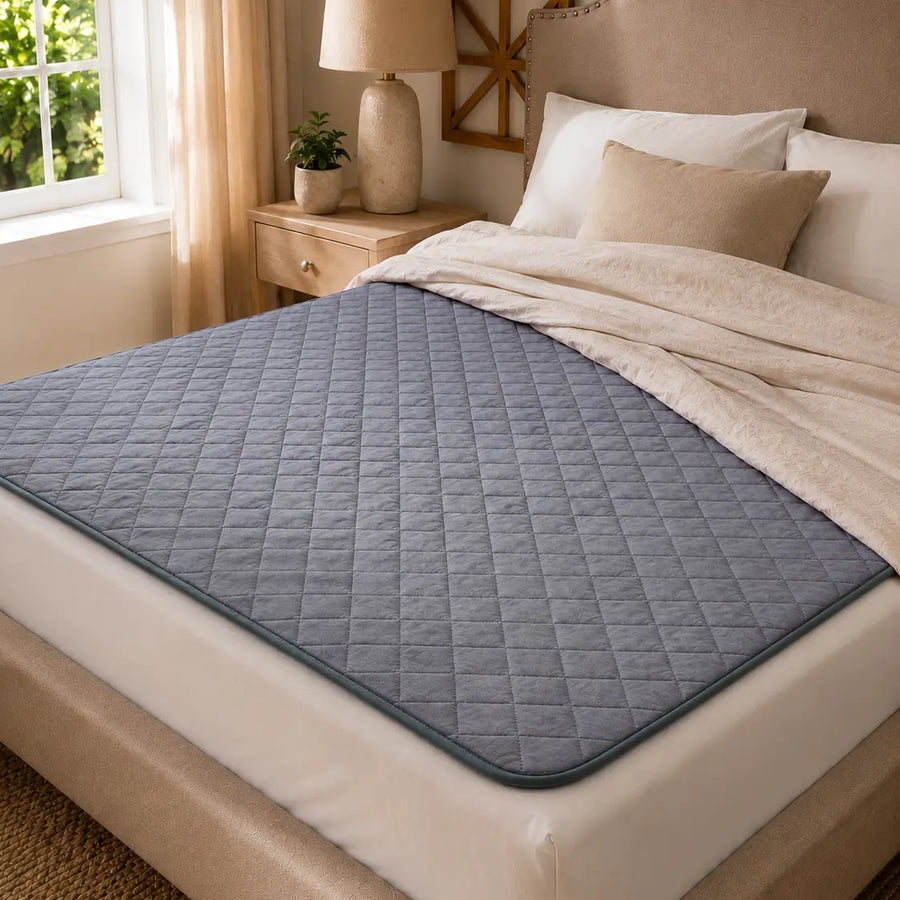
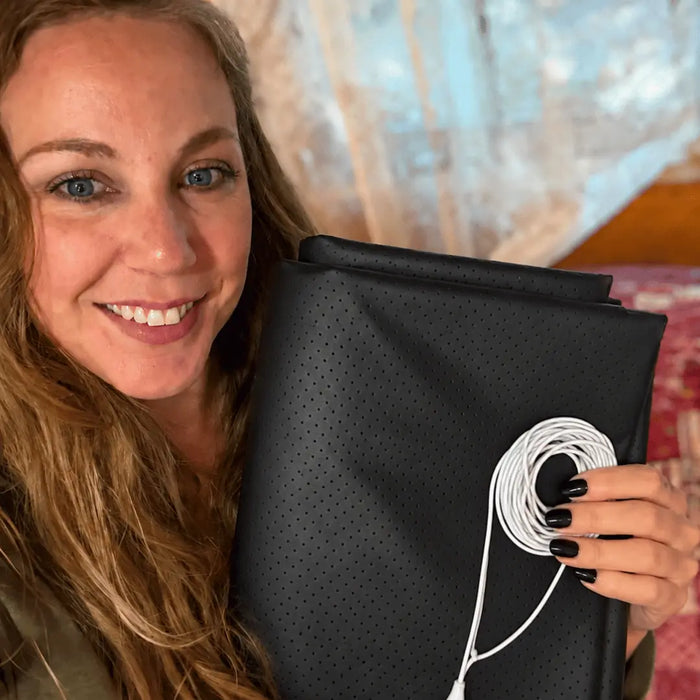
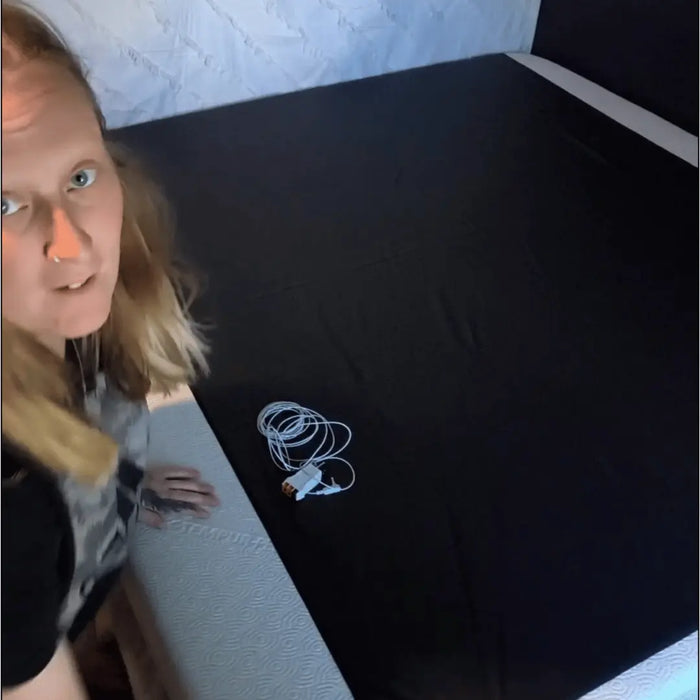
The Earthbound Grounding Mattress Pad allows you to remain grounded throughout the night without adding another task to your day. Every system includes a current-limiting grounding cord and testing tools so you can verify your setup before use.
Use it consistently, track how you sleep and feel, and give your body time to respond. Your purchase is protected by a 90-night trial and lifetime warranty.
Frequently asked questions
Can earthing be harmful?
Grounding is generally considered a low-risk, non-invasive wellness practice when properly designed equipment is connected to a correctly grounded outlet.
Published grounding studies have not documented serious adverse events. Some new users report temporary sensations such as mild tingling, relaxation, vivid dreams, or changes in sleep.
People with implanted electronic devices, serious medical conditions, or medications requiring close monitoring should consult their healthcare provider before use.
Why do I feel tingling on a grounding mat?
Some people notice mild tingling or increased awareness in the area touching the grounding surface during their first sessions.
This usually becomes less noticeable as the experience becomes familiar. Painful, persistent, spreading, or concerning tingling should be evaluated by a healthcare professional rather than assumed to be caused by grounding.
Can grounding make you feel worse before you feel better?
Most people do not feel worse when beginning grounding. A smaller number report temporary tiredness, vivid dreams, mild headaches, or changes in sleep during the first few sessions.
Shorter sessions and gradual increases in grounding time can make the introduction more comfortable. Persistent or significant symptoms should be evaluated rather than treated as a required adjustment phase.
Is it safe to sleep grounded every night?
Yes, nightly use is the standard routine for grounding mattress products and has been used in published sleep research over periods of several weeks.
Before use, confirm that the outlet is properly grounded, follow the product instructions, and use a grounding cord with an inline safety resistor. Disconnect the product during nearby electrical storms.
Does grounding interfere with pacemakers?
Published research has not established that grounding interferes with pacemakers or other implanted electronic medical devices.
However, anyone with an implanted device should receive approval from the physician responsible for the device before using an indoor grounding product.
Can I use grounding while taking blood thinners?
Anyone taking anticoagulant or antiplatelet medication should speak with their prescribing physician before beginning regular grounding.
A small study reported changes involving red-blood-cell electrical properties and blood viscosity, so it is appropriate to keep the prescribing physician informed.
How can I tell whether a grounding product is safe?
Look for a product that connects only to the outlet’s ground port, includes a current-limiting resistor in the cord, and provides a method to test both the outlet and product.
Earthbound systems include the necessary grounding cord and testing tools so the setup can be verified before use.
How long should I try grounding before deciding whether it works for me?
Some people notice relaxation or sleep changes quickly, while others experience more gradual changes over several weeks.
A consistent trial of four to eight weeks provides a more meaningful evaluation than one or two nights. Earthbound’s 90-night trial gives you enough time to establish a routine and evaluate your experience without rushing the decision.
References: Ghaly & Teplitz 2004; Chevalier, Sinatra et al. 2013; Oschman, Chevalier & Brown 2015. Grounding products are intended to support general wellness and are not intended to diagnose, treat, cure, or prevent any disease.