

Reviewed for accuracy: July 2026. General wellness information, not medical advice.
A grounding sheet is bedding with a conductive element built into it, connected by a cord to the ground port of an electrical outlet, so that your body equalizes with the earth's electrical potential while you sleep. That's the whole definition — one sentence. The reason this article runs longer than one sentence is that the material the conductive element is made from determines almost everything about how the product performs, how long it lasts, and whether it's still doing anything a year after you buy it. Most explanations skip that part. This one is mostly about that part.
The idea behind it, briefly and without mysticism
Your body is conductive. The earth's surface holds a mild negative charge, continuously replenished by the planet's atmospheric electrical circuit. When you touch the ground directly — bare feet on soil, grass, sand — your body equalizes to the earth's potential within moments. For most of human history that was our default state; rubber soles, flooring, and elevated buildings ended it. Grounding products are an engineering answer to an access problem: they extend the earth's potential indoors through your home's grounding conductor, the same third-wire path electricians install for safety.
Whether that equalization produces measurable health effects is a research question — a small body of pilot studies suggests effects on cortisol rhythm, inflammatory markers, and blood viscosity, and we review that evidence honestly in our plain-English review of the grounding evidence. What is not in question is the physics: a properly connected grounding sheet does place your body at earth potential, and you can verify it with a multimeter.
What grounding sheets are made of — and why it decides everything
Silver-thread construction
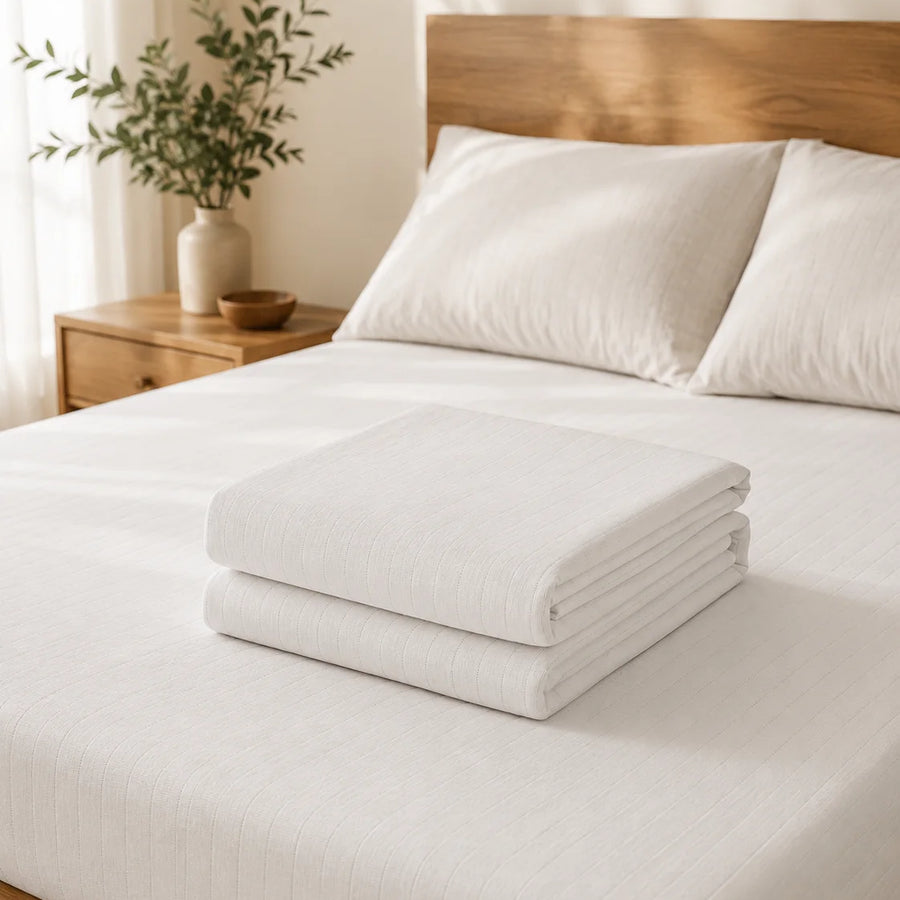
The traditional design: fine silver filament woven through cotton in a grid, typically 5–10% silver by content. Silver is an excellent conductor, and a new silver sheet performs well. The problem is chemistry and mechanics together. Silver is a reactive metal — it tarnishes (oxidizes) on exposure to air, moisture, sweat, and especially sulfur compounds, and silver oxide conducts far more poorly than silver. Mechanically, metal filament and cotton fiber flex and wear at different rates, so wash cycles gradually fray the filament grid. The practical consequence, familiar to long-term users: a silver sheet's conductivity declines over months of normal laundering, and the product needs replacing on a schedule the marketing rarely mentions. Body oils, lotions, bleach, and fabric softener all accelerate the decline.
Carbon-based construction
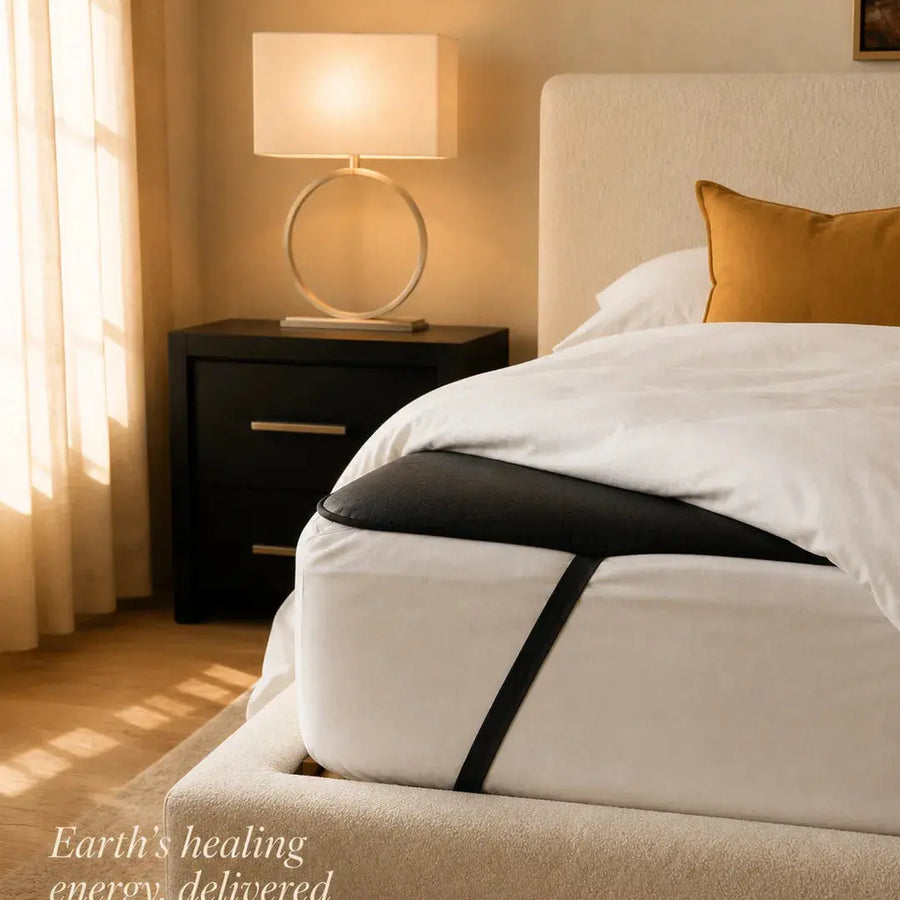
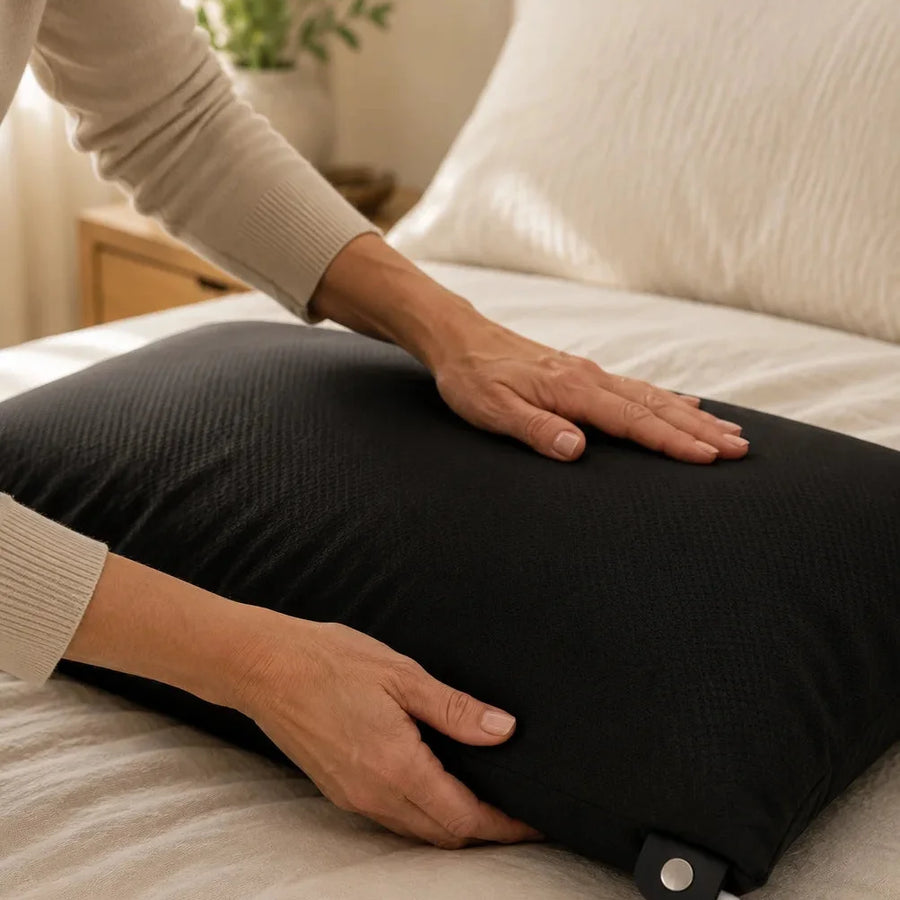
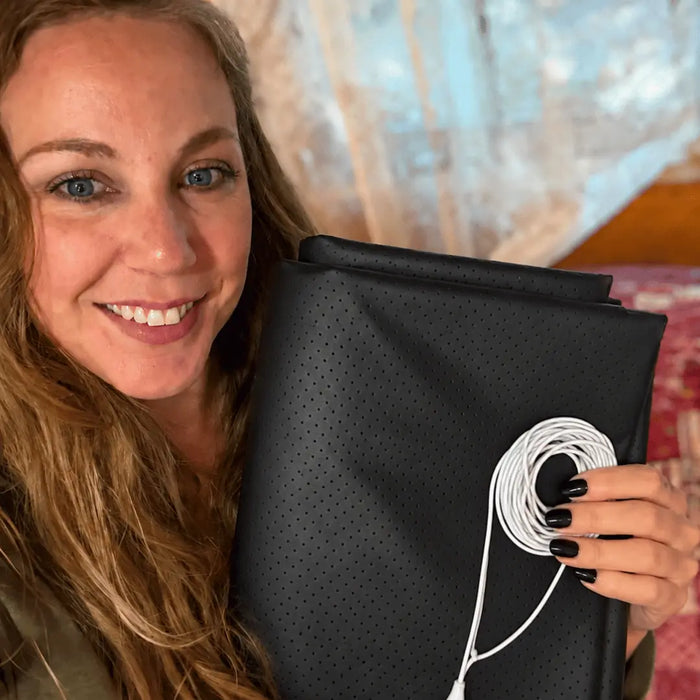
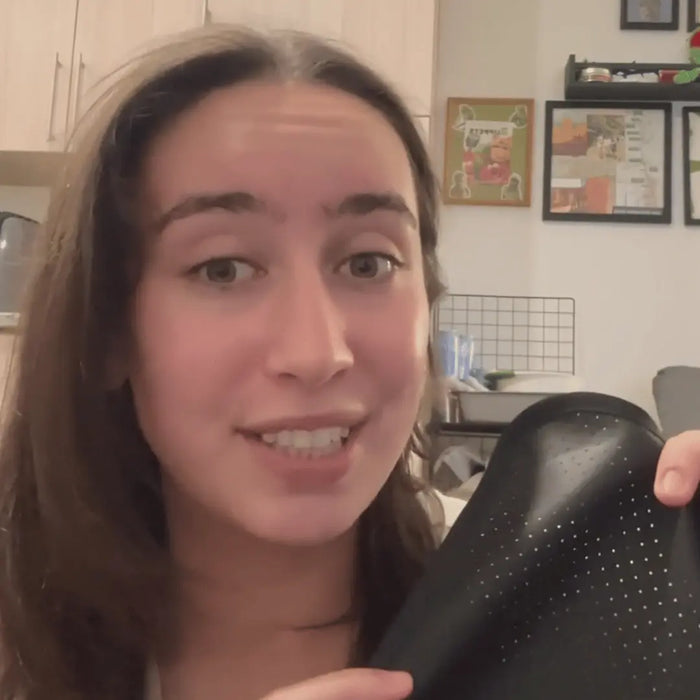
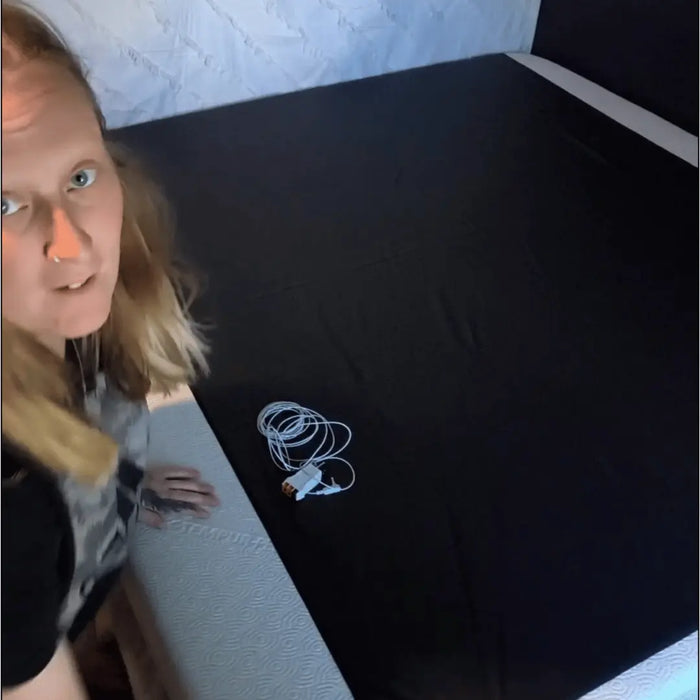
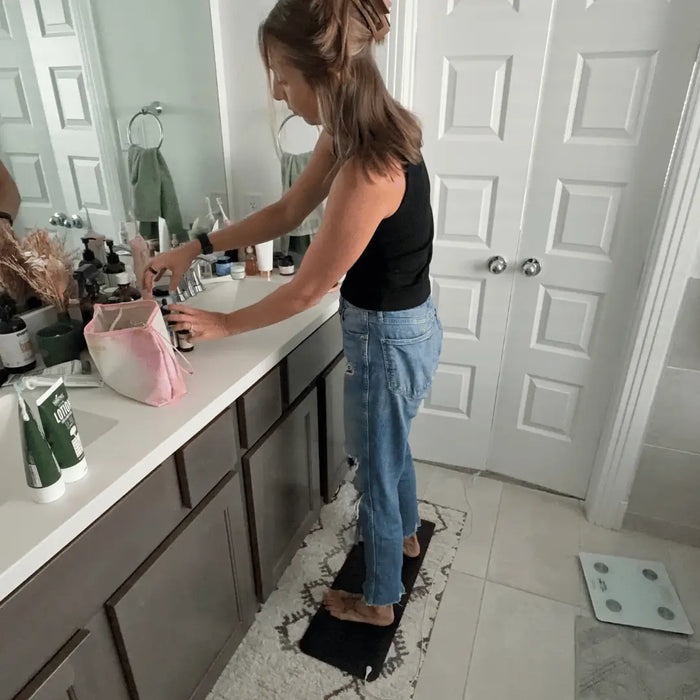
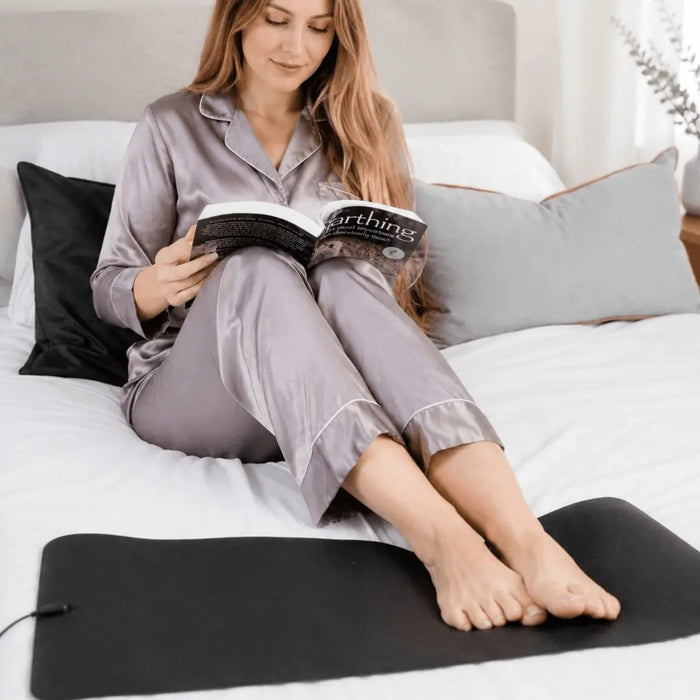
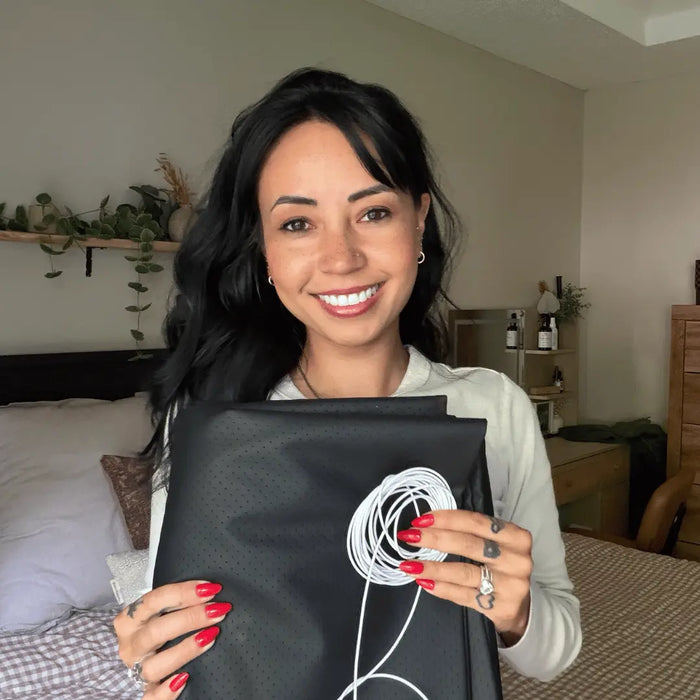
The newer design, and the one we build: conductive carbon infused into a durable surface layer — in Earthbound's case, a vegan leatherette pad with high-density carbon fiber, 1.85 mm thin. Carbon is chemically inert. It does not oxidize, does not tarnish, and its conductivity does not decay with cleaning, which is wipe-down rather than machine-wash. The design trade-off is honest to state: a carbon pad is a pad, not a sheet — it lies under your fitted sheet rather than being the fabric you touch. Earthbound's Near Field™ Earthing construction is engineered specifically to conduct through that layer of fabric, so the durability advantage doesn't cost you the feel of your own bedding.
The comparison, compressed
| Silver-thread sheet | Carbon pad | |
|---|---|---|
| Feel | Your top layer is the product | Sleeps under your own fitted sheet |
| Skin contact | Generally required | Not required (through-sheet designs) |
| Conductivity over time | Declines with washing and oxidation | Stable; carbon is inert |
| Care | Gentle wash, no bleach/softener | Damp-cloth wipe |
| Lifespan | A replacement cycle | Buy-once; Earthbound backs it with a lifetime warranty |
How a grounding sheet connects, and the one thing to check first
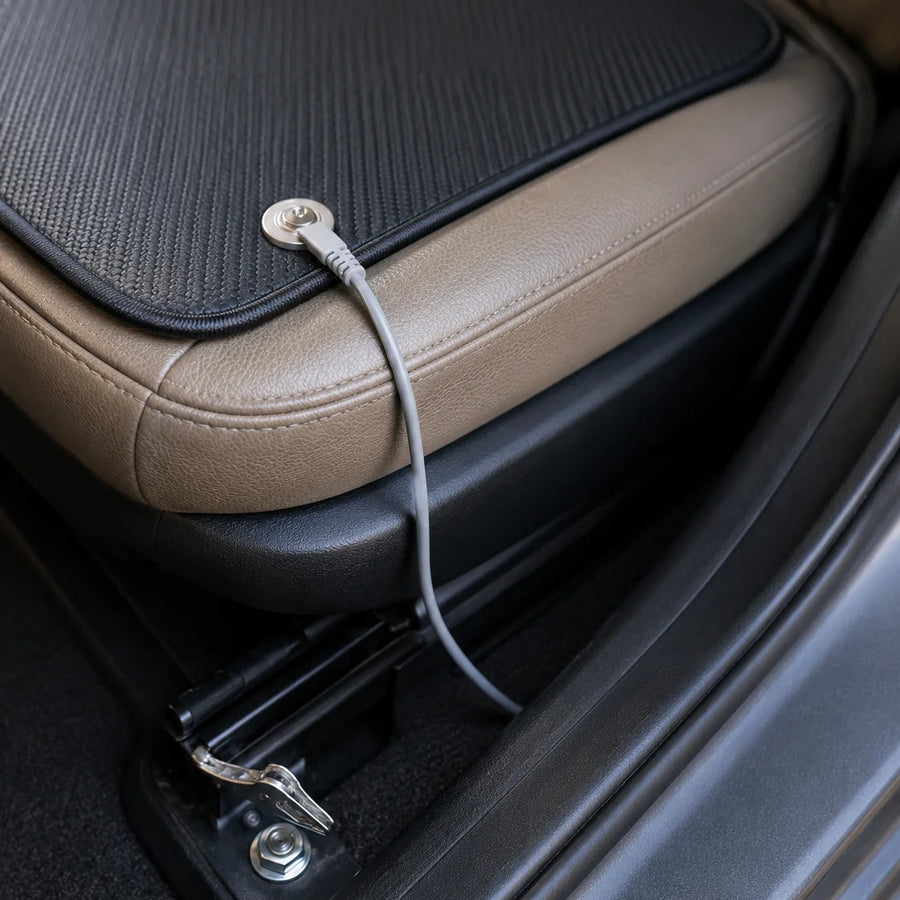
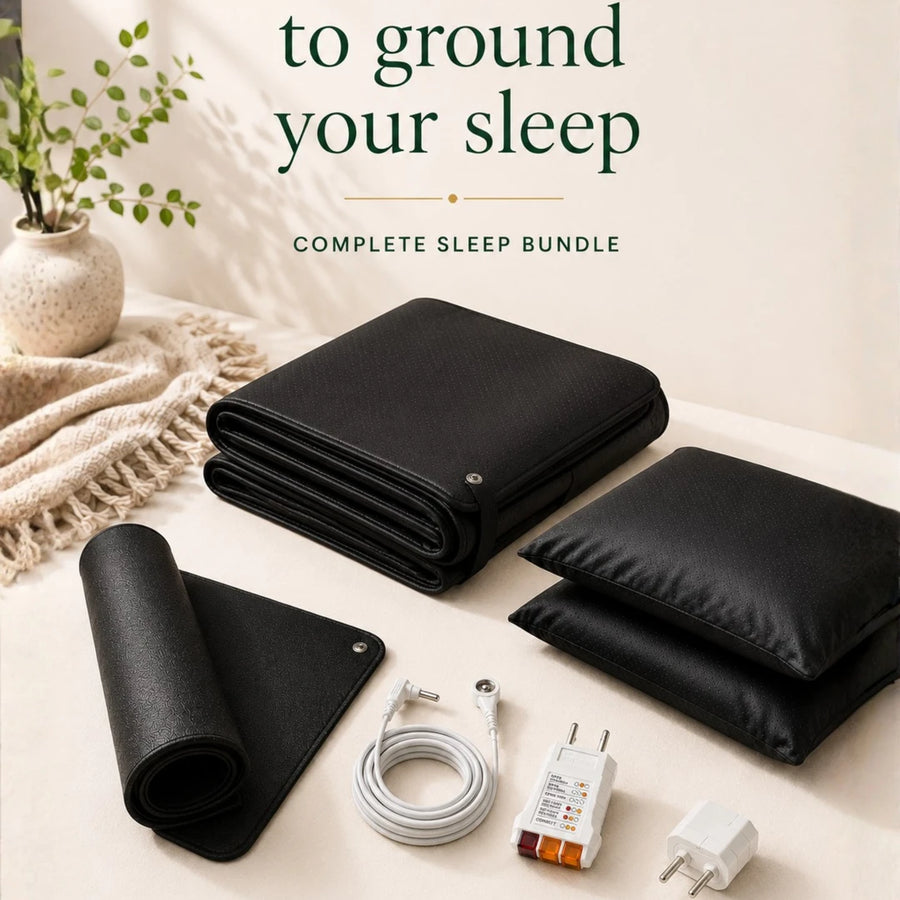
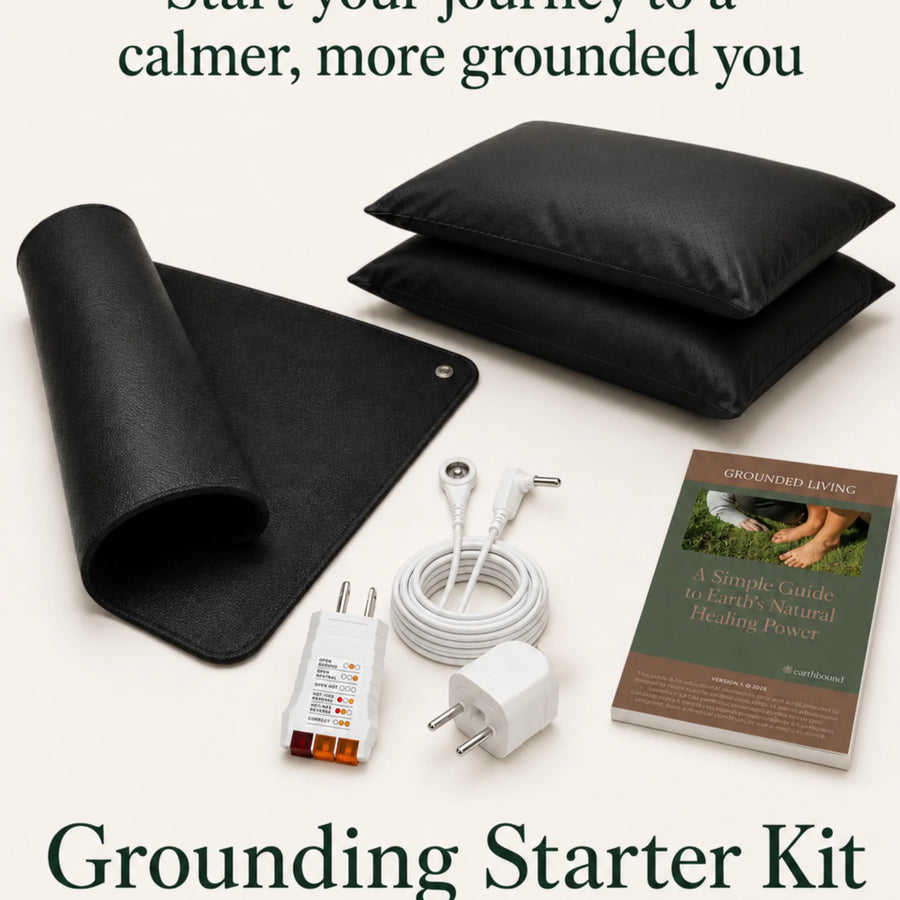
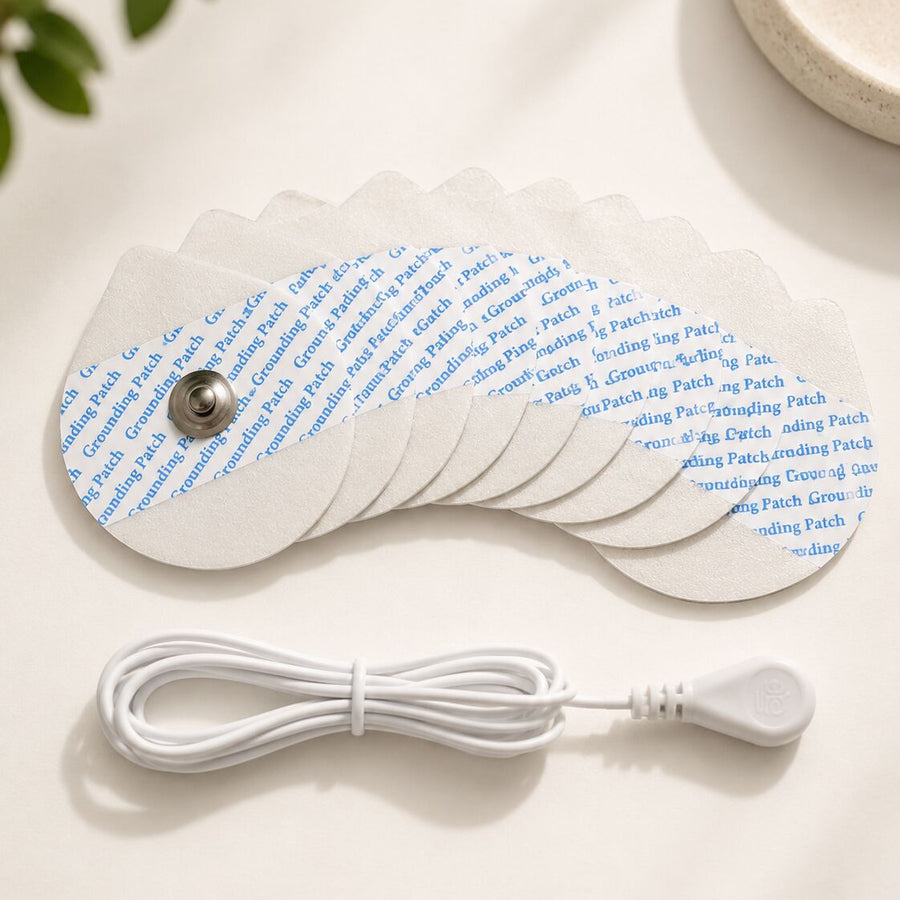
Every product in the category connects the same way: a snap on the sheet or pad, a cord, and the round ground port of a three-prong outlet. No electricity flows to you; the ground port is a passive safety conductor. Quality cords include an inline resistor — Earthbound's carries a 100k-ohm resistor — as an additional safety layer.
The step to never skip: verify the outlet itself is grounded before you rely on it. A meaningful fraction of older homes have three-prong outlets with no functional ground wire behind them. An outlet tester answers this in seconds — we include a grounding test kit free with every mattress pad, because a grounding product on an ungrounded outlet is an expensive placebo. No outlet ground? A grounding rod in the soil outside is a direct-to-earth alternative.
Do you have to touch it with bare skin?
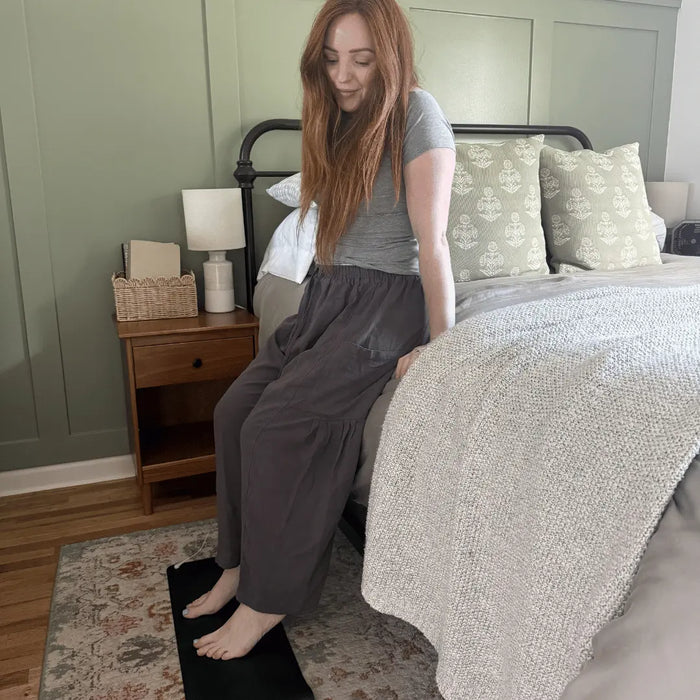
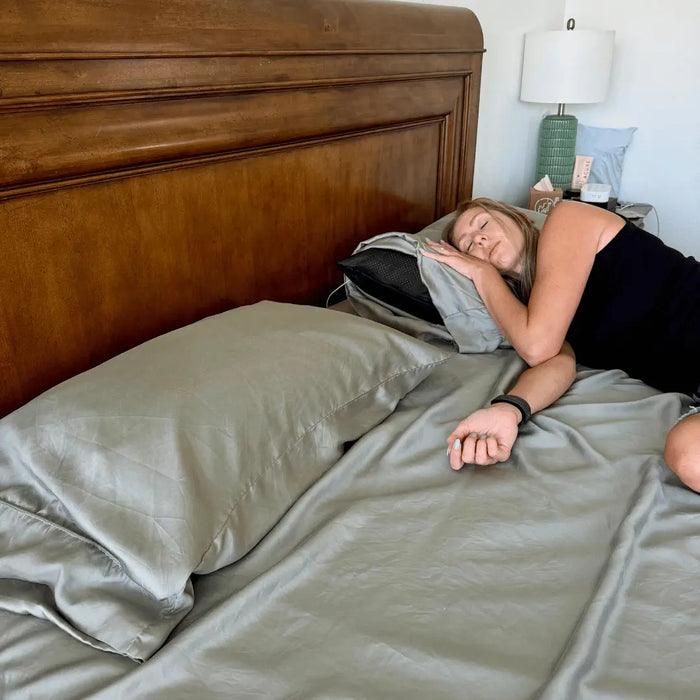
For most silver-thread sheets, effectively yes — a fabric layer between you and the silver grid substantially reduces conduction, which is why those products are sold as the sheet you sleep directly on, and why pajamas become a nightly variable. Through-sheet carbon designs remove that constraint: Earthbound's pad grounds through a natural-fiber fitted sheet (cotton, linen, bamboo — synthetics insulate), and you can confirm the connection objectively with the test kit rather than wondering. If you want the measurement procedure, see our guide to testing a grounding product with a multimeter.
Choosing well: a six-point checklist
- Material honesty. The product page should state exactly what conducts — "silver fiber," "carbon," or it's a red flag.
- Dimensions in inches, checked against your actual mattress. Size names are not standardized across brands.
- Through-sheet or skin-contact, stated plainly — this determines how you'll actually live with it.
- A way to verify. A test kit in the box, or at minimum published guidance for multimeter testing.
- A trial measured in weeks, not condition clauses. Grounding effects, where reported, build over consistent use — a trial that requires the product back "unused" is not a trial. Earthbound's is 90 nights of actual sleep.
- A warranty. A brand confident in its conductivity longevity will write that confidence down. Ours is lifetime.
If you'd rather skip the replacement cycle
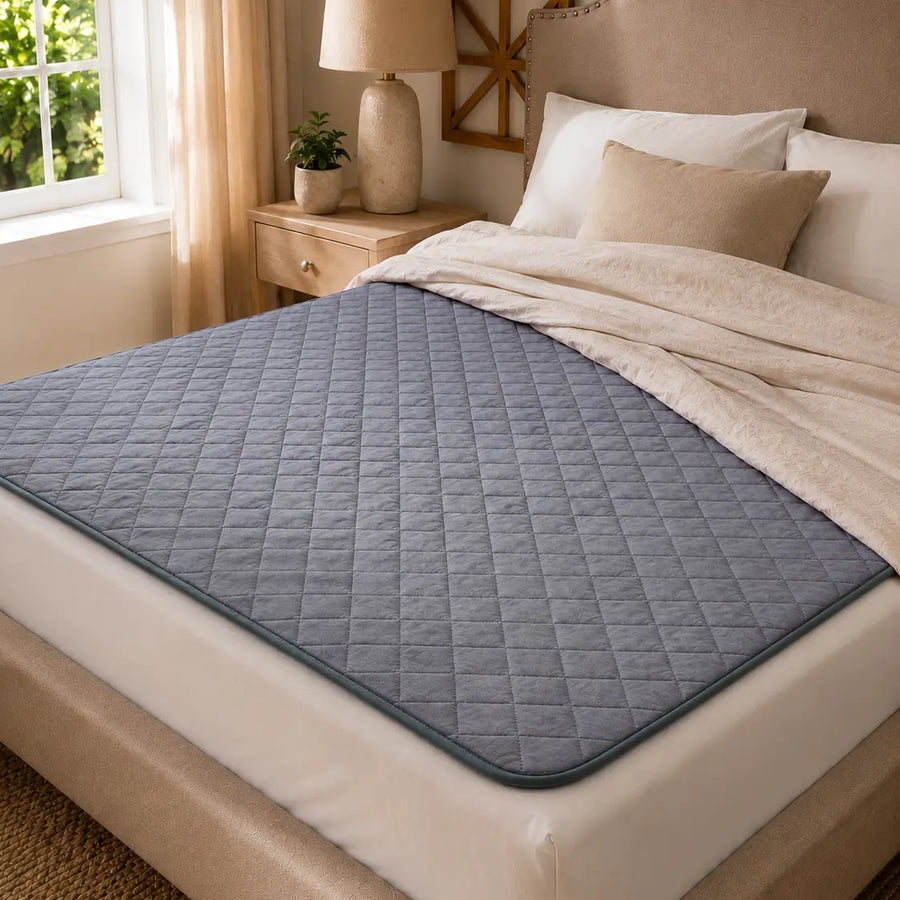
The Earthbound Grounding Mattress Pad is the carbon column of the table above: inert conductive surface, Near Field™ through-sheet grounding, four true mattress sizes, test kit included, 90-night sleep trial, lifetime warranty. For those who prefer conductive fabric, we also make grounding fitted sheets — with the care guidance above stated on the page, not hidden.
Frequently asked questions
What does a grounding sheet actually do?
It places your body at the earth's electrical potential during sleep, via a conductive surface connected to your outlet's ground port. Early research suggests possible effects on sleep quality and inflammatory markers; the studies are small and ongoing.
Is a grounding sheet the same as a grounding mattress pad?
Same purpose, different construction. "Sheet" usually means conductive fabric you sleep on; "pad" or "cover" usually means a conductive surface under your fitted sheet. Material (silver vs carbon) is the more consequential difference.
Why did my grounding sheet stop working?
If it's silver-thread: most likely oxidation and filament wear from washing — test it with a multimeter to confirm. This is the known failure mode of the material, not necessarily a defect.
Can grounding sheets work through pajamas or a fitted sheet?
Silver sheets: poorly. Through-sheet carbon designs: yes, through a natural-fiber layer — that's what they're engineered for, and it's verifiable with a test kit.
Are grounding sheets safe?
The connection uses only the outlet's ground conductor and carries no electrical current to you; quality cords add an inline resistor. People with implanted electronic devices should consult their physician first, as with any new wellness practice.
Grounding products are not intended to diagnose, treat, cure, or prevent any disease.